The UAE’s Fast-Forward Future
How Innovation, Performance & Electrification Are Shaping a New Automotive Era
The UAE has long been recognized as one of the world’s most influential automotive hubs — a place where design, performance, and innovation converge in a landscape built for driving excellence. Today, the nation is entering an entirely new chapter. With rapid advancements in electrification, smart mobility, and high-performance engineering, the UAE is not just keeping pace with global automotive trends — it is setting them.
Car culture in the UAE is unlike anywhere else. The roads are home to rare supercars, refined luxury sedans, electric performance models, rugged off-roaders, and futuristic concept vehicles. This diversity reflects the country’s unique blend of luxury living, technological ambition, and passion for automotive craftsmanship.
Performance and Precision: The Core of UAE Driving Culture
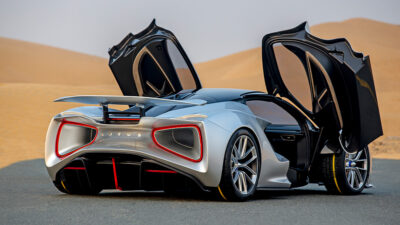
For decades, performance vehicles have dominated the UAE landscape. Brands such as BMW, Mercedes-AMG, Porsche, Bentley, and Lamborghini continue to launch their most exclusive models in the region, knowing the market values engineering that excites and design that turns heads.
Weekend drives through Jebel Jais, automotive meetups, and racetrack events at the Dubai Autodrome highlight the country’s deep appreciation for precision performance. UAE drivers seek vehicles that deliver emotional power — engines that roar, accelerations that thrill, and handling that feels intuitive under every condition.
CarBook readers know that performance isn’t just measured in horsepower. It’s a lifestyle — and one that continues to evolve in the UAE.
Electrification Takes the Lead
The UAE’s shift toward electric and hybrid mobility has accelerated faster than expected. With government initiatives to expand EV charging stations across Dubai, Abu Dhabi, and Sharjah, the country is preparing for a future powered by clean performance.
Luxury EVs such as the Porsche Taycan, BMW i7, and Mercedes EQ range are becoming part of the everyday driving experience. Meanwhile, startups and global manufacturers are testing autonomous and AI-driven technologies across the region.
This transition aligns with the nation’s sustainability vision and provides drivers with vehicles that combine performance, silence, intelligence, and efficiency.
For more automotive insights, CarBook’s electric vehicle section offers continuous coverage:
Design-Driven Technology
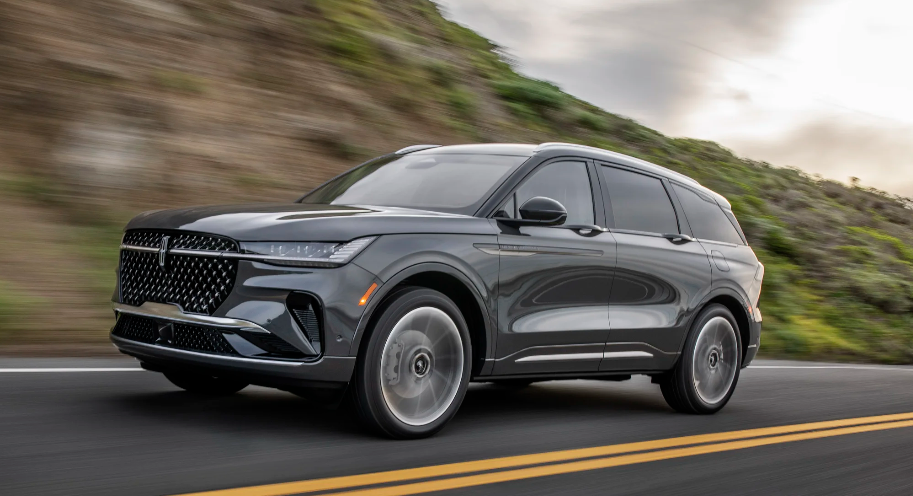
Modern vehicles are now masterpieces of digital engineering. Cabin experiences have never been more immersive — panoramic screens, voice-controlled systems, driver-assist technologies, and AI-powered safety features enhance every aspect of the journey.
The UAE’s tech-savvy audience has embraced these innovations, making the country a prime destination for global automotive manufacturers to unveil their most advanced models.
Whether it’s adaptive cruise systems for long highway drives or AR navigation for busy city routes, the UAE is perfectly positioned to benefit from next-generation driving intelligence.
Luxury That Moves With You
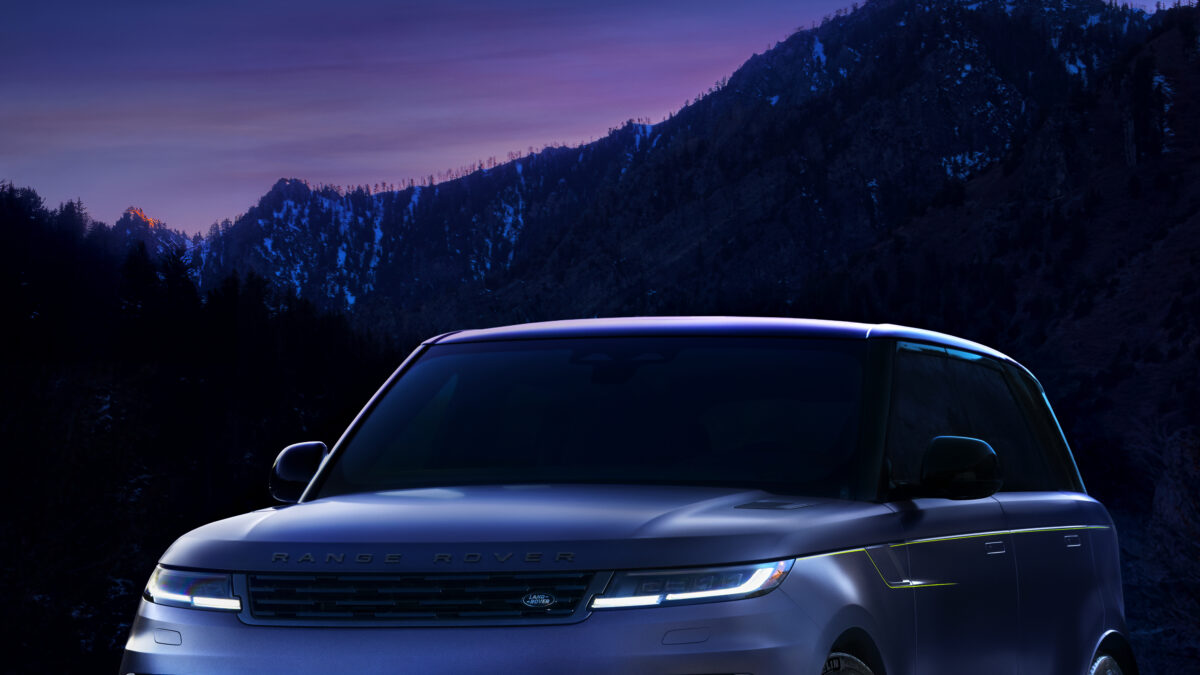
Luxury in the UAE is not a status — it is a standard. From Bentley’s handcrafted finishes to Range Rover’s elevated comfort and Mercedes-Maybach’s bespoke detailing, premium vehicles are an expression of taste and refinement.
But today’s luxury car buyer wants more: sustainability, personalization, intuitive technology, and a seamless connection between lifestyle and mobility.
CarBook Magazine continues to capture this evolution through exclusive reviews, launch coverage, and feature stories that highlight the most innovative vehicles shaping the future.
Explore more at:
Internal link: https://carbookmagazine.com
The Road Ahead
The UAE is not merely adapting to global automotive changes — it is accelerating the transformation. With ambitious infrastructure projects, EV adoption strategies, and a passion for performance vehicles, the country is defining what the future of driving looks like.
From intelligent electrified sedans to track-ready sports cars, tomorrow’s mobility is already here — and CarBook readers are witnessing it first.
As the industry evolves, CarBook will continue to deliver insights, reviews, and stories that celebrate the UAE’s bold journey into the next era of automotive excellence.