The Rise of the Smart Garage: How DIY Car Culture Is Evolving with Technology
There was a time when car DIY meant grease-stained hands, dog-eared manuals, and a deep familiarity with the sound of an engine. Today, that culture hasn’t disappeared—it has evolved. Welcome to the age of the smart garage, where technology is redefining how drivers understand, maintain, and connect with their vehicles.
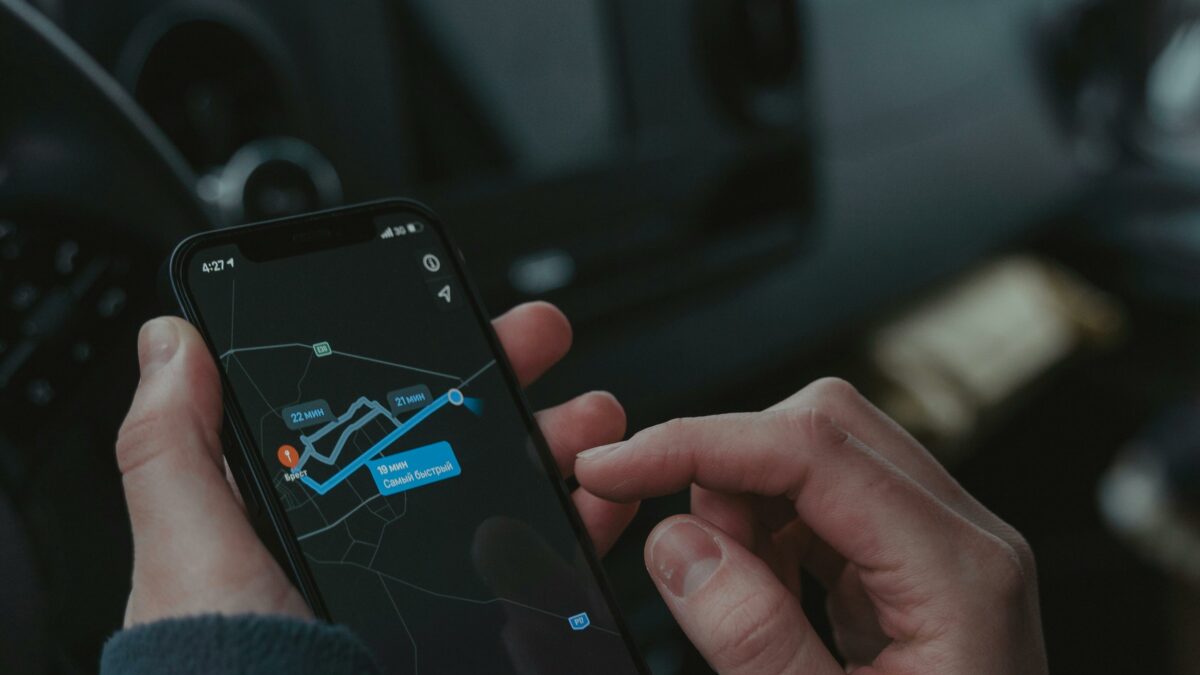
Modern automotive DIY no longer relies solely on mechanical intuition. Instead, it is powered by software, sensors, and connectivity. At the center of this transformation is the democratization of information. Affordable OBD-II scanners, once the domain of professional workshops, now plug directly into smartphones, offering real-time diagnostics, fault codes, and performance data within seconds.
For many drivers, this shift has changed the psychology of car ownership. Rather than reacting to breakdowns, owners can now predict and prevent issues. Battery health, engine efficiency, brake wear, and fuel consumption are constantly monitored, turning maintenance into an informed, proactive process.

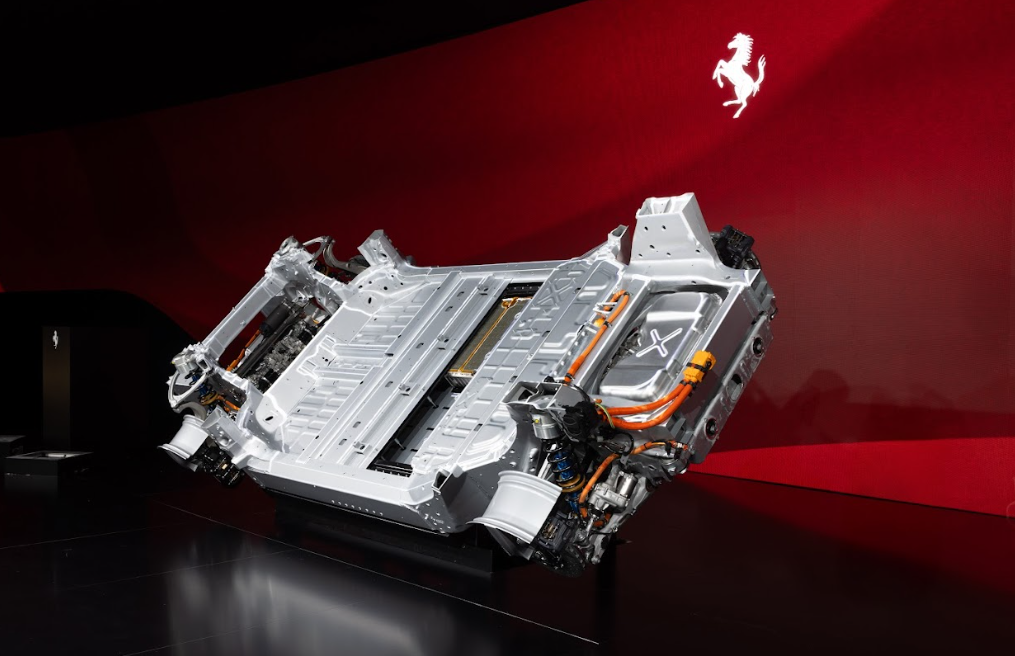
Electric and hybrid vehicles have accelerated this change even further. While EVs require less traditional maintenance, they demand a new kind of literacy. Battery management systems, software updates, and charging optimization have become the new DIY frontier. Owners track charging cycles, monitor degradation, and fine-tune efficiency using apps that resemble fitness trackers more than toolkits.
This evolution does not mean the death of hands-on engagement. On the contrary, it has created a new generation of enthusiasts—drivers who may never rebuild an engine but understand their car at a systems level. They customize software settings, analyze performance graphs, and integrate their vehicles into smart home ecosystems.
The rise of AI-powered diagnostics is another game changer. Some platforms now interpret fault codes automatically, explaining problems in plain language and recommending next steps. What once required years of experience can now be accessed through a clean interface, lowering the barrier to entry for DIY maintenance.
Yet the smart garage is not about replacing mechanics. It is about redefining roles. Professional workshops increasingly focus on complex repairs, while routine checks and monitoring move into the hands of the owner. This hybrid model benefits both sides—drivers become more informed, and technicians work with clearer data and fewer unknowns.
Technology has also reshaped the social side of DIY culture. Online forums, YouTube channels, and virtual communities have become digital garages where knowledge is shared globally. A driver in Dubai can troubleshoot a sensor issue using advice from someone in Berlin or Tokyo within minutes.
At the same time, sustainability is influencing DIY priorities. Smart tools help reduce waste by identifying exact issues instead of relying on trial and error. EV owners track energy usage, while internal combustion drivers optimize fuel efficiency and emissions. DIY is no longer just about saving money—it’s about responsibility.
Looking ahead, the future of car DIY will likely become even more integrated. Predictive maintenance powered by machine learning, over-the-air updates, and modular vehicle design will further shift control toward the driver. Cars are becoming platforms, and DIY is becoming a form of digital fluency.
For CARBOOK, this moment represents a cultural turning point. The relationship between driver and machine is no longer mechanical alone—it is informational, adaptive, and deeply personal. The garage may look cleaner, quieter, and more connected than ever, but the spirit of DIY remains unchanged: curiosity, control, and the satisfaction of understanding what moves you forward.