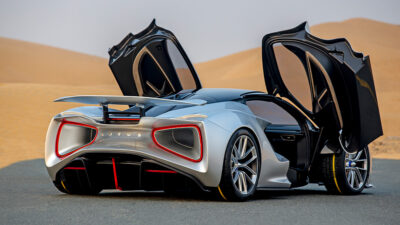

The automotive world is entering one of the most transformative eras since the invention of the internal-combustion engine. As we step into 2025, the industry is no longer shaped by a single technological breakthrough — but by the convergence of innovation, electrification, connectivity, and new design philosophies. For car enthusiasts and industry observers alike, this moment is nothing short of historic.
Manufacturers across the globe are reimagining performance, sustainability, luxury, and user experience. From hypercars engineered with aerospace-grade materials to family SUVs equipped with advanced driver-assist systems, the automotive landscape is being redesigned to meet the demands of a smarter, more connected world.

CarBook Magazine explores the forces that are redefining the cars we drive — and the way we think about mobility.
🔋 Electric Power Becomes the New Performance Benchmark
The shift from gasoline to electric power was once seen as a compromise — a trade-off between performance and environmental responsibility. Today, it represents the highest potential for speed, torque, efficiency, and engineering precision.
Modern electric powertrains deliver instantaneous acceleration, creating a new dimension of driving excitement. Supercar manufacturers — from Porsche to Rimac to Lotus — now consider electric propulsion not an alternative, but the ultimate platform for performance.
Low center of gravity, near-silent operation, and advanced cooling systems have opened doors for design and aerodynamics once impossible with traditional engines. Even mainstream brands are following the trend, integrating dual-motor and tri-motor systems that deliver supercar-level output at a fraction of the cost.
2025 marks the year when electric vehicles are no longer the future — they’re firmly the present.
🧠 A Smarter Drive: Cars That Think With You
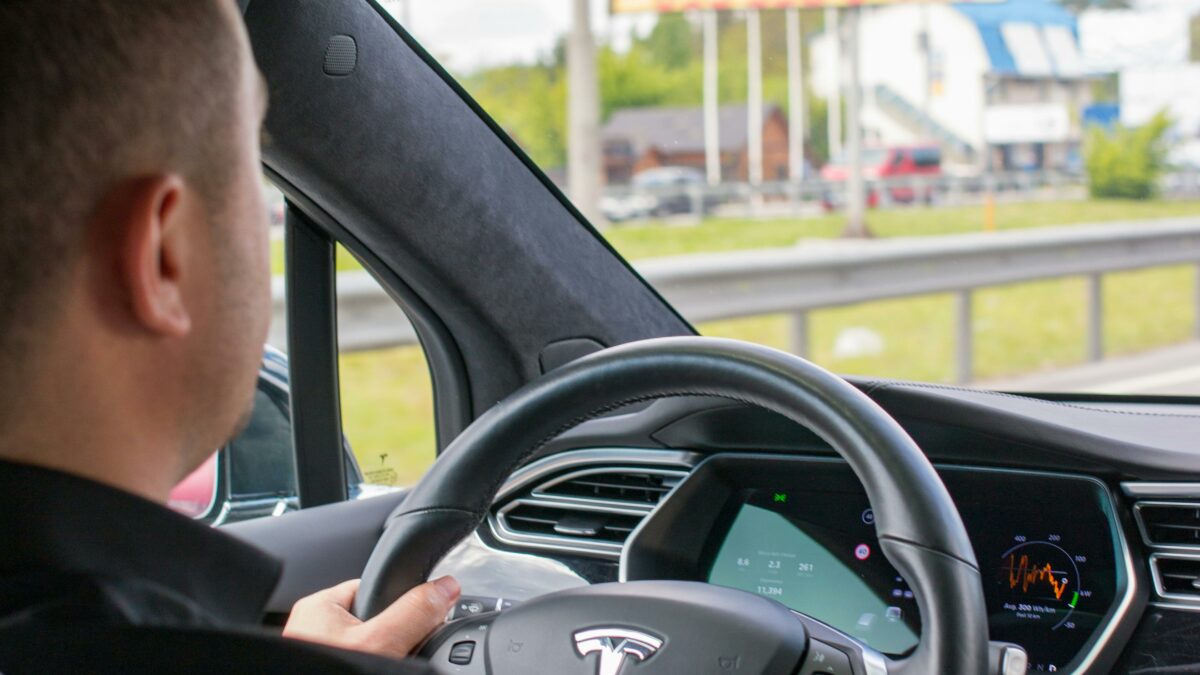
Driver assistance systems have evolved beyond simple convenience. Modern vehicles can predict behavior, anticipate danger, and personalize every aspect of the driving experience.
Advanced Driver Assistance Systems (ADAS) now include:
- Intelligent lane-centering
- Adaptive learning cruise control
- Predictive obstacle detection
- Real-time environment mapping
- AI-powered driver behavior analysis
The result?
A vehicle that not only drives safely, but learns how you drive.
Luxury brands like Mercedes-Benz, BMW, and Lexus have integrated AI to memorize driver preferences — from seat position to climate control to driving mode. Performance cars use analytics to optimize suspension stiffness and torque vectoring based on driver style.
Your car is no longer a machine.
It’s a personalized driving partner.
🎮 The Rise of the Immersive Cabin
Interiors have become one of the most competitive battlegrounds for automotive brands. The cabins of 2025 are designed with one purpose: to create a luxury experience that merges comfort, aesthetics, and technology.
Key trends dominating the new era of interiors include:
✦ Panoramic digital dashboards
Speed, navigation, media — everything displayed in seamless ultra-HD clarity.
✦ Multi-sensory ambient lighting
Lighting programs that adapt to mood, time of day, or driving mode.
✦ 3D-textured materials
Sustainable leather alternatives, micro-weave patterns, soft-touch surfaces.
✦ Adaptive seating
Seats that cool, heat, massage, and adjust based on posture sensing.
✦ Personalized cabin profiles
Each driver experiences a different car — automatically.
Manufacturers like Bugatti, Rolls-Royce, and Lucid are pushing boundaries, creating cabins that feel more like luxury lounges than vehicles. This shift reflects a deeper reality: cars are no longer just transportation; they’re personal environments.
🚙 SUVs Take the Lead in Global Design Trends
SUVs continue to dominate global markets, but their evolution is rapid and exciting. Automakers are combining rugged capability with luxury comfort and aerodynamic efficiency.
2025 SUVs focus on:
- Lightweight construction for improved efficiency
- Sleeker silhouettes for reduced drag
- High-performance hybrid systems
- Enhanced off-road intelligence
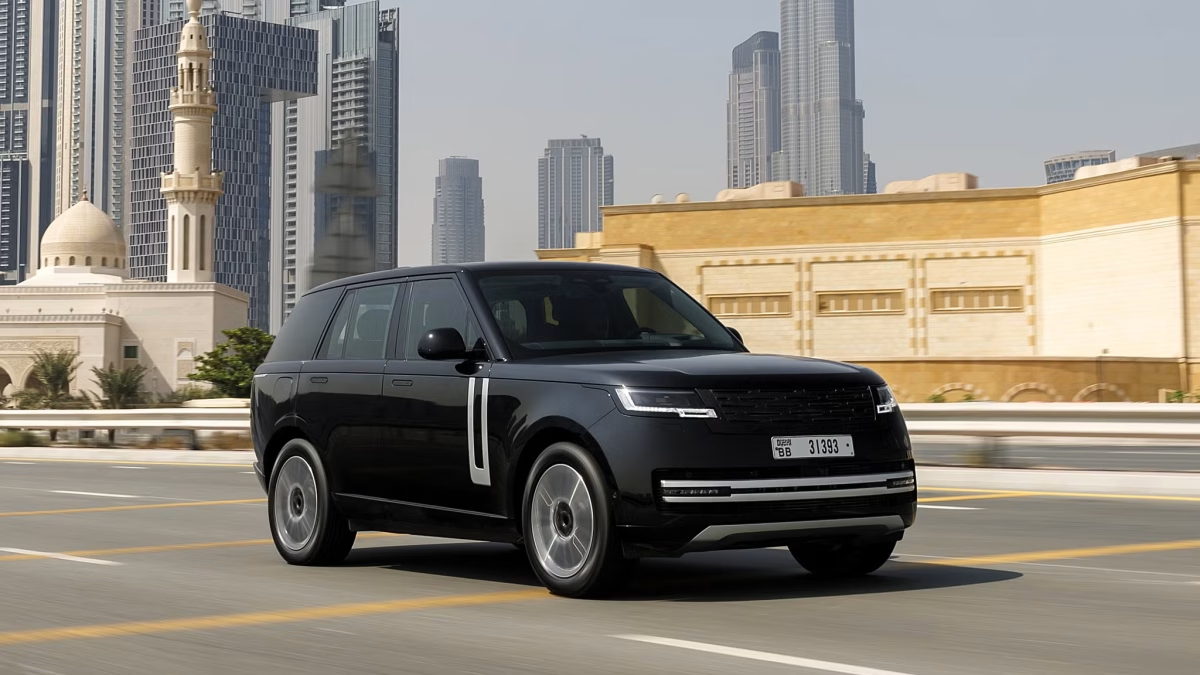
Brands like Infiniti, Range Rover, Jeep, and Hyundai are producing SUV lineups that appeal equally to families, adventure seekers, and performance enthusiasts.
🔥 Hypercars Enter a New Era
Hypercars are experiencing a renaissance. With advancements in electrification, aerodynamics, and materials, the performance ceiling has risen dramatically.
2025’s hypercars showcase:
- Four-digit horsepower ratings
- Full-carbon monocoques
- Active aerodynamic surfaces
- AI-assisted performance calibration
- Track-level engineering for street use
Models like the Bugatti Tourbillon, Rimac Nevera, and Ferrari SF90 XX represent the pinnacle of automotive engineering.
They are not just vehicles — they are masterpieces of human innovation.
🌍 Sustainability Without Compromise
Sustainability remains at the heart of automotive progress. Brands are adopting:
- Plant-based leather replacements
- Recycled composites
- Clean manufacturing practices
- Battery recycling ecosystems
Luxury no longer conflicts with responsibility.
Instead, sustainability has become a form of prestige.
🚀 The Future: Mobility Without Limits
The automotive world of 2025 is a blend of technology, performance, sustainability, and design. It’s a world where:
- Cars learn how you drive
- Interiors respond to your mood
- Electric motors deliver supercar power
- Luxury meets sustainability
- Hypercars embrace digital intelligence
This is the beginning of a new era — one where mobility feels personal, intelligent, and limitless.
For automotive lovers, it is the most exciting time in history.