The Digital Revolution in Cars
The automotive industry is undergoing one of the most significant transformations in its history. In 2026, technology is no longer just an added feature in vehicles—it is the foundation of modern mobility. From artificial intelligence to electric powertrains and advanced connectivity, today’s cars are becoming smarter, safer, and more efficient than ever before.
As consumer expectations evolve, automakers are investing heavily in innovation to deliver vehicles that are not only high-performing but also intelligent and environmentally responsible. The result is a new generation of cars that seamlessly integrate technology into every aspect of the driving experience.

Artificial Intelligence is Redefining Driving
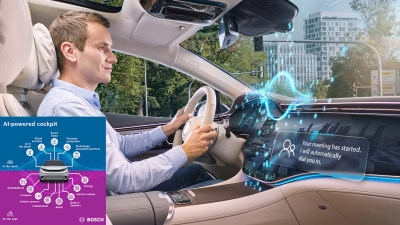
Artificial Intelligence (AI) has become a core component of modern vehicles. AI systems are designed to analyze real-time data from sensors, cameras, and radar to improve safety and driving performance.
Driver monitoring systems, for example, can detect fatigue or distraction and alert the driver instantly. AI also powers predictive maintenance by analyzing vehicle performance and notifying drivers about potential issues before they become serious problems.
In addition, AI enhances navigation systems by learning driver behavior and suggesting optimized routes based on traffic patterns, weather conditions, and driving habits. This level of personalization is transforming the driving experience into something more intuitive and responsive.
Advanced Driver Assistance Systems (ADAS)
Safety has always been a priority in the automotive industry, and in 2026, Advanced Driver Assistance Systems (ADAS) are setting new standards. These systems are designed to assist drivers and reduce the risk of accidents.
Features such as adaptive cruise control, lane-keeping assist, automatic emergency braking, and blind-spot monitoring are becoming standard in many vehicles. These technologies work together to create a safer driving environment by reducing human error.
Some high-end vehicles are even offering semi-autonomous driving capabilities, allowing the car to handle certain driving tasks under specific conditions. While fully autonomous cars are still in development, ADAS is a major step toward that future.
The Rise of Connected Cars
Connectivity is one of the most exciting developments in automotive technology. Modern vehicles are now equipped with internet access, enabling them to communicate with other devices, infrastructure, and even other vehicles.
Connected cars offer features such as real-time navigation updates, remote vehicle control through smartphone apps, and over-the-air software updates. This means that cars can receive new features and improvements without requiring a visit to the dealership.
Vehicle-to-Vehicle (V2V) and Vehicle-to-Infrastructure (V2I) communication are also gaining traction. These technologies allow cars to share information about road conditions, traffic, and potential hazards, improving safety and traffic flow.
Electric Powertrains Leading the Shift
Electric vehicles (EVs) are at the forefront of automotive innovation in 2026. Advances in battery technology have significantly improved range, charging speed, and overall performance.
Modern EVs now offer longer driving ranges, making them more practical for everyday use. Fast-charging networks are expanding globally, reducing charging times and increasing convenience for drivers.
Electric powertrains also provide instant torque, resulting in smoother acceleration and a more responsive driving experience. Additionally, EVs produce zero emissions, making them an environmentally friendly alternative to traditional internal combustion engines.
As governments and consumers push for sustainability, electric vehicles are expected to dominate the automotive market in the coming years.
Digital Interiors and User Experience
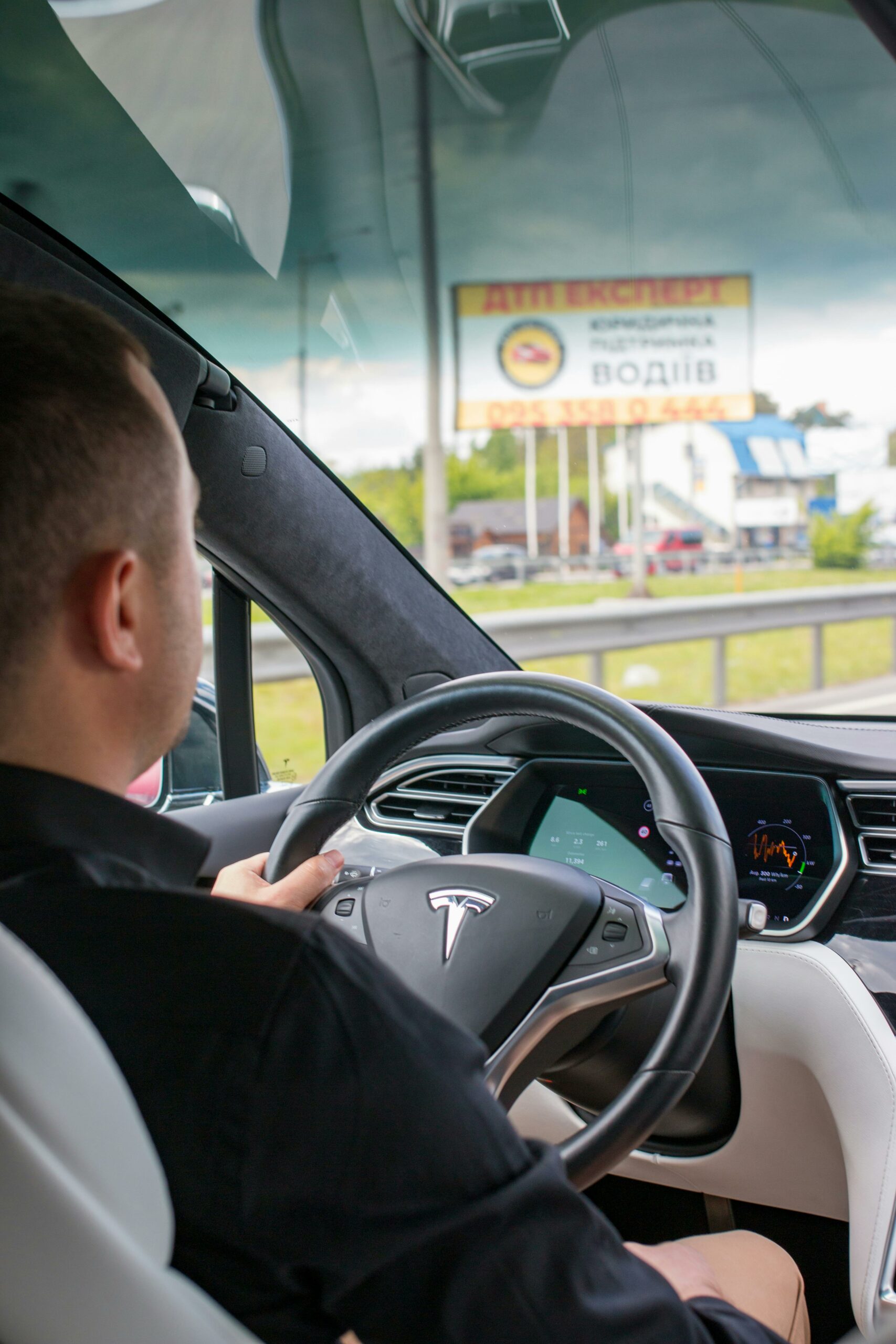
The interior of a car has evolved into a digital environment. Traditional buttons and controls are being replaced by large touchscreens, voice commands, and customizable digital displays.
Infotainment systems now offer seamless integration with smartphones, allowing drivers to access navigation, music, and communication apps effortlessly. Voice assistants are becoming more advanced, enabling hands-free control of various vehicle functions.
Augmented Reality (AR) is also making its way into car interiors. AR heads-up displays project important information such as navigation directions and speed directly onto the windshield, allowing drivers to keep their eyes on the road.
This focus on user experience ensures that drivers and passengers enjoy a comfortable, connected, and intuitive environment.
Sustainable Materials and Eco-Friendly Design
Sustainability is a key focus in modern automotive design. Manufacturers are increasingly using eco-friendly materials such as recycled plastics, natural fibers, and vegan leather in vehicle interiors.
These materials not only reduce environmental impact but also appeal to environmentally conscious consumers. Automakers are also adopting sustainable manufacturing processes to minimize carbon emissions.
The shift toward sustainability reflects a broader industry commitment to reducing the environmental footprint of vehicles while maintaining luxury and quality.
Autonomous Driving: The Next Frontier
Autonomous driving technology continues to evolve, bringing the industry closer to fully self-driving cars. While complete autonomy is not yet widespread, significant progress has been made.
Level 2 and Level 3 autonomous systems are already available in some vehicles, allowing for partial automation in specific conditions. These systems can handle tasks such as highway driving, lane changes, and parking.
The development of autonomous vehicles has the potential to revolutionize transportation by reducing accidents, improving traffic efficiency, and providing mobility solutions for those unable to drive.
Cybersecurity in Modern Vehicles
As cars become more connected, cybersecurity is becoming increasingly important. Modern vehicles store a significant amount of data, including personal information and driving patterns.
Automakers are investing in advanced security systems to protect vehicles from cyber threats. Encryption, secure software updates, and intrusion detection systems are being implemented to ensure data safety.
Cybersecurity is essential for maintaining trust in connected and autonomous vehicles, making it a critical aspect of automotive technology.
The Future of Smart Mobility
The future of automotive technology is focused on creating smarter, safer, and more sustainable mobility solutions. Innovations such as shared mobility, electric vehicles, and autonomous driving are reshaping how people travel.
Urban mobility solutions, including ride-sharing and smart transportation systems, are also gaining popularity. These developments aim to reduce traffic congestion and improve efficiency in cities.
As technology continues to evolve, the automotive industry will play a key role in shaping the future of transportation.
Conclusion
Automotive technology in 2026 is redefining what it means to drive. From AI-powered systems and advanced safety features to electric powertrains and connected cars, innovation is transforming every aspect of the automotive experience.
These advancements are not only improving performance and convenience but also contributing to a more sustainable and safer future. As the industry continues to evolve, one thing is certain—the cars of tomorrow will be smarter, more efficient, and more connected than ever before.