The global automotive industry is undergoing a transformation unlike anything seen in more than a century. In 2026, electric vehicles are no longer experimental alternatives — they are quickly becoming the new standard for performance, innovation, and sustainability.
Manufacturers across the world are pushing electric technology further than ever before, delivering vehicles that combine speed, efficiency, and advanced digital experiences. From luxury sedans and SUVs to high-performance electric supercars, the EV landscape is expanding rapidly.
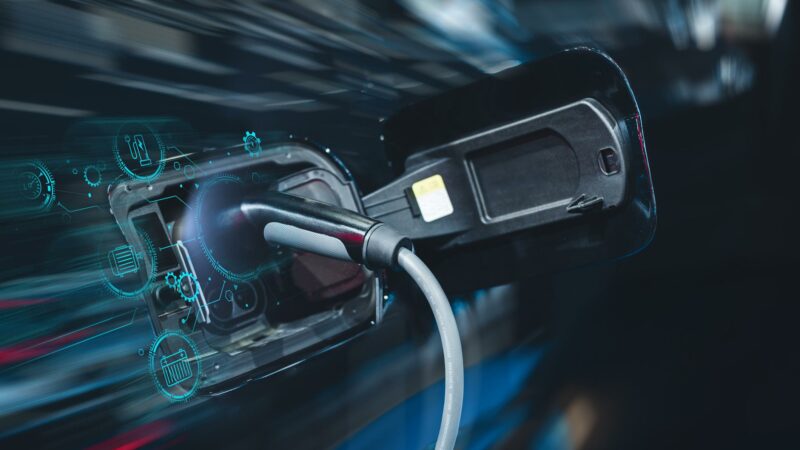
One of the biggest drivers behind this evolution is the rapid development of battery technology. Modern lithium-ion battery systems are delivering longer driving ranges and faster charging times than early electric models could ever achieve. Some of the newest electric vehicles entering the market in 2026 can travel more than 600 kilometers on a single charge while supporting ultra-fast charging that restores most of the battery capacity in under 20 minutes.

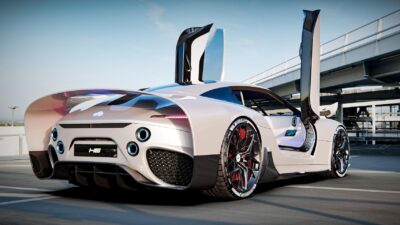
Electric performance has also reached new levels. High-performance EVs now deliver instant torque that allows them to accelerate faster than many traditional supercars. Several electric models can achieve 0–100 km/h in under three seconds, placing them among the quickest vehicles ever produced.
Another key advantage of electric vehicles is the advanced digital ecosystem they offer. Modern EVs function as intelligent mobility platforms, equipped with sophisticated driver assistance systems, artificial intelligence, and over-the-air software updates. This means the vehicle can continuously improve through software upgrades long after it leaves the showroom.
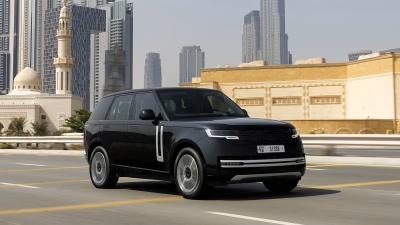
Luxury electric vehicles are also redefining interior design. Instead of traditional mechanical dashboards, many EVs now feature panoramic digital displays, minimalist controls, and sustainable interior materials. Designers are focusing on creating calm, technology-driven cabins that prioritize comfort and connectivity.
Infrastructure is also improving rapidly. Charging networks across Europe, the United States, and the Middle East are expanding, making long-distance EV travel far more practical. Fast-charging stations are becoming common on highways and in urban centers, allowing drivers to recharge quickly during everyday routines.
Governments worldwide are also supporting the transition toward electric mobility through incentives, environmental policies, and investments in charging infrastructure. These initiatives are accelerating the shift away from traditional internal combustion engines and encouraging manufacturers to invest heavily in electric innovation.
However, the move toward electrification does not mean the end of driving excitement. In fact, many manufacturers are using electric technology to create entirely new driving experiences. Electric motors provide immediate power delivery and precise torque control, allowing engineers to design vehicles with incredible responsiveness and handling.
In the world of performance cars, electric technology is now being used alongside hybrid systems to deliver extreme performance while maintaining efficiency. Hybrid-electric supercars are becoming a new category of high-performance vehicles that combine the emotional appeal of combustion engines with the advantages of electric power.
Looking ahead, the electric vehicle market is expected to continue growing at an extraordinary pace. Analysts predict that by the end of the decade, electric vehicles could account for a majority of global car sales. As battery technology improves and production costs decrease, EVs will become more accessible to a wider range of drivers.
For enthusiasts and everyday drivers alike, 2026 represents a turning point in automotive history. Electric vehicles are no longer simply an environmental alternative — they are becoming the most advanced, exciting, and forward-thinking cars on the road.