
The Rise of the Modern DIY Garage
Owning a car involves more than simply driving from one destination to another. Proper maintenance plays a critical role in ensuring reliability, safety, and long-term performance. While many vehicle owners rely on professional service centers, there are several basic maintenance tasks that drivers can perform themselves with minimal tools.
One of the most important aspects of vehicle maintenance is monitoring engine oil levels. Engine oil lubricates critical components and prevents excessive wear inside the engine. Drivers should regularly check the oil level using the dipstick and ensure it remains within the recommended range.
Another simple but important maintenance task is checking tire pressure. Underinflated tires reduce fuel efficiency, increase tire wear, and can negatively impact handling. Most vehicles provide recommended tire pressure values inside the driver’s door frame.

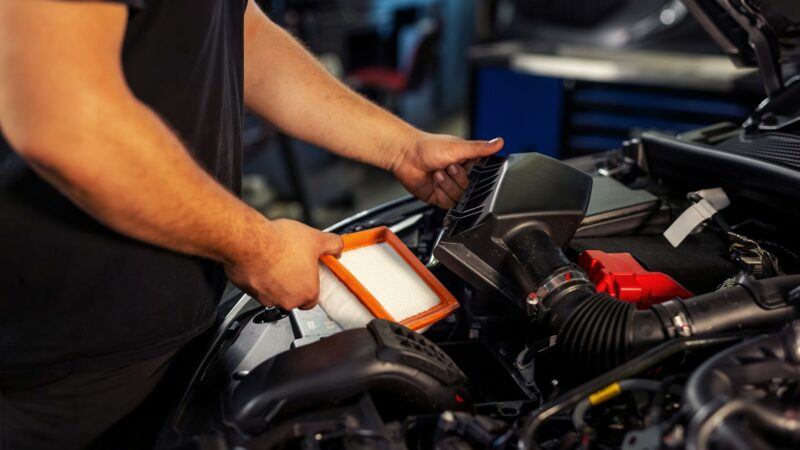
Air filters are another component that drivers can easily replace. A clean air filter improves engine efficiency and fuel consumption by ensuring the engine receives sufficient airflow.
Battery maintenance is also essential. Drivers should periodically inspect battery terminals for corrosion and ensure connections remain secure.
Cleaning and protecting the vehicle’s exterior is another important aspect of maintenance. Regular washing removes dirt and contaminants that can damage paint over time, while waxing provides an additional protective layer.
By performing these simple maintenance tasks, drivers can extend the lifespan of their vehicles and reduce long-term repair costs.

Checking Engine Oil: The Heart of Vehicle Maintenance
One of the most fundamental tasks in car maintenance is checking the engine oil level. Engine oil lubricates internal engine components, reducing friction and preventing overheating. Without proper lubrication, an engine can suffer serious damage in a short period of time.
To check engine oil, drivers should park the car on level ground and allow the engine to cool for a few minutes. The dipstick, usually located near the engine, can then be removed, wiped clean, and reinserted. When pulled out again, it shows the oil level relative to the minimum and maximum markings.
If the oil level is low, the correct type of oil should be added gradually. It is important not to overfill the engine, as excessive oil can also cause damage.
Tire Pressure: Small Detail, Big Impact
Tire pressure plays a crucial role in safety, fuel efficiency, and driving comfort. Underinflated tires increase rolling resistance, forcing the engine to work harder and consume more fuel. They also wear unevenly and reduce vehicle stability.
Drivers should check tire pressure at least once a month using a reliable tire pressure gauge. The recommended pressure level is typically displayed on a sticker inside the driver’s door frame.
Maintaining proper tire pressure improves vehicle handling, extends tire life, and enhances overall safety.
Air Filters: Improving Engine Efficiency
The engine air filter prevents dust, dirt, and debris from entering the engine. Over time, the filter becomes clogged and restricts airflow, reducing engine performance and fuel efficiency.
Replacing the air filter is usually straightforward and requires minimal tools. Most vehicles have easily accessible filter housings that allow drivers to remove the old filter and insert a new one in minutes.
A clean air filter ensures that the engine receives adequate airflow, improving combustion efficiency and overall performance.
Battery Maintenance: Preventing Unexpected Breakdowns
A car battery powers essential systems such as ignition, lighting, and onboard electronics. Although modern batteries are designed to last several years, they still require occasional inspection.
Drivers should check battery terminals for signs of corrosion, which appears as white or greenish deposits. Cleaning the terminals with a wire brush or battery cleaning solution helps maintain proper electrical connections.