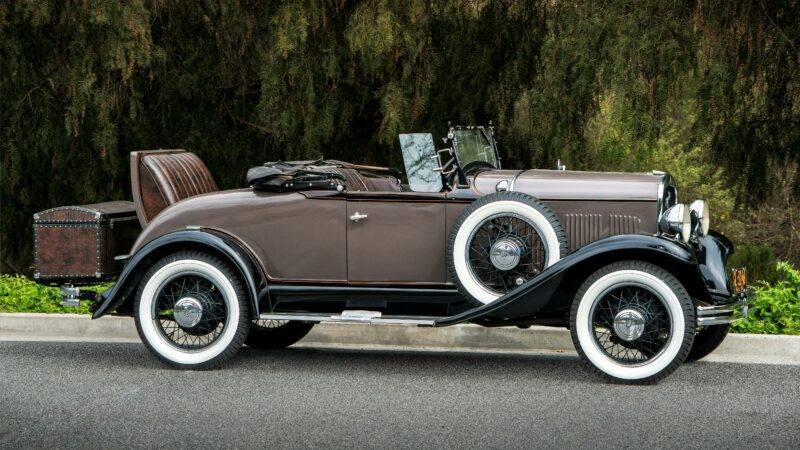
In an era dominated by digital innovation and electric mobility, heritage cars stand as timeless reminders of automotive history. These classic vehicles are more than machines — they are pieces of art, engineering milestones, and cultural symbols that continue to inspire generations of car enthusiasts.
Heritage cars represent a different era of automotive design. Unlike modern vehicles, which often prioritize efficiency and technology, classic cars were built with a strong emphasis on character and craftsmanship. Every curve, detail, and component was carefully designed, resulting in vehicles that possess a unique identity.
One of the most appealing aspects of heritage cars is their storytelling power. Each vehicle carries a history — from its original design and production to the journeys it has taken over the years. Owning a heritage car is like owning a piece of history, connecting the present with the past.
Restoration plays a crucial role in preserving these vehicles. Skilled craftsmen dedicate countless hours to bringing classic cars back to life, ensuring that every detail remains true to its original form. This process requires expertise, patience, and a deep appreciation for automotive heritage.
The value of heritage cars continues to rise globally. Collectors and investors recognize their rarity and historical significance, making them highly sought-after assets. Auctions often feature classic models that sell for millions, reflecting their enduring appeal.
Driving a heritage car is a completely different experience compared to modern vehicles. Without advanced electronics or automated systems, drivers rely on pure mechanical interaction. This creates a more engaging and authentic connection between driver and machine.
In regions like the UAE, heritage cars are celebrated through exhibitions, rallies, and private collections. These events bring together enthusiasts who share a passion for preserving automotive history. They also provide an opportunity to showcase rare models and appreciate the craftsmanship of the past.
Despite their age, many heritage cars remain in excellent condition thanks to careful maintenance and restoration. Owners take pride in preserving these vehicles, ensuring that they continue to be enjoyed for years to come.
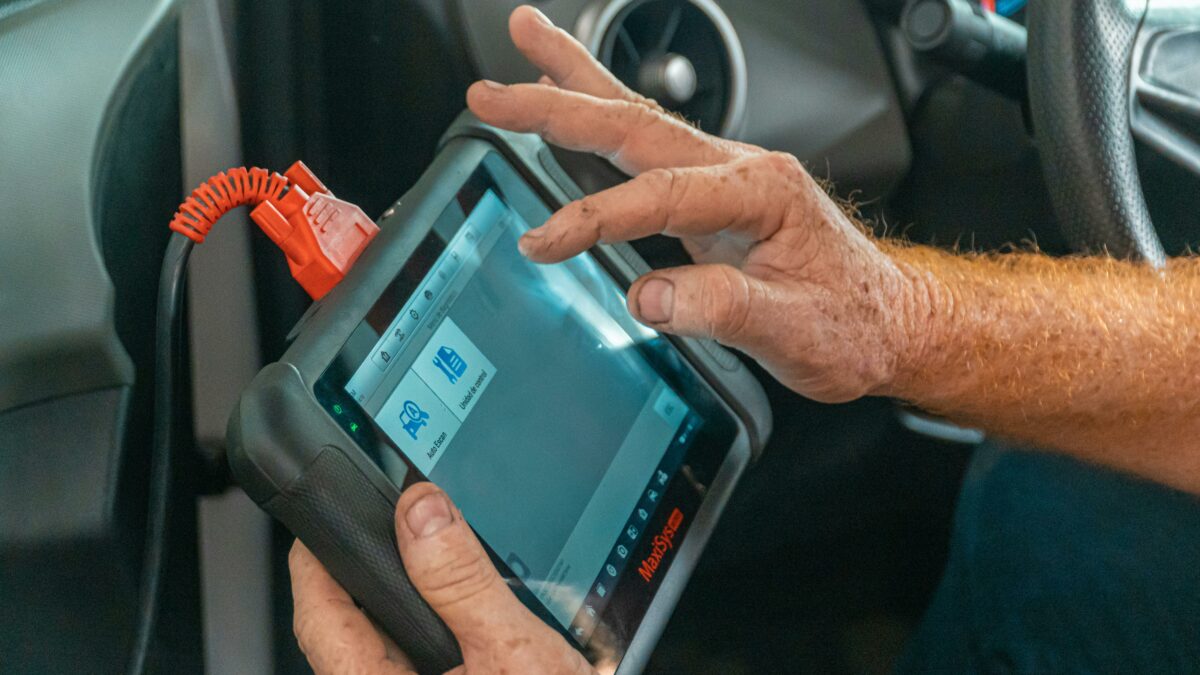
Technology is now supporting the preservation of classic cars. Modern tools and techniques allow for more precise restoration, while digital platforms connect collectors and enthusiasts worldwide. This blend of tradition and innovation ensures that heritage cars remain relevant in today’s automotive landscape.
For CarBook Magazine, heritage cars represent the essence of automotive passion. They remind us that while technology continues to advance, the soul of the automobile lies in its history, craftsmanship, and the emotions it evokes.
In a world focused on the future, heritage cars invite us to look back — to appreciate where it all began and to celebrate the journey of automotive evolutio