A Historic Model Goes Electric
The Evolution of Electric Performance
Electric vehicles have evolved far beyond their early reputation as quiet city commuters. In 2026, the automotive world is witnessing the rise of a new category: high-performance electric cars capable of delivering extraordinary acceleration, cutting-edge technology, and sophisticated design.
What makes this shift particularly remarkable is how quickly electric vehicles have entered the performance arena. Just a decade ago, enthusiasts questioned whether electric cars could match the excitement of traditional sports cars. Today, many EVs outperform combustion-powered vehicles in acceleration and responsiveness.
Electric motors deliver instantaneous torque, meaning that power is available the moment the driver presses the accelerator. This instant response creates a driving experience unlike anything found in traditional internal combustion engines.
Engineering Without Traditional Limits
Electric vehicles also provide engineers with greater design flexibility. Without large combustion engines or complex exhaust systems, designers can rethink vehicle architecture entirely.
Battery packs are typically integrated into the floor of the vehicle, creating a low center of gravity. This significantly improves stability and handling, allowing electric sports cars to corner with exceptional precision.
The result is a generation of vehicles that combine impressive speed with remarkable balance and agility.
Aerodynamics and Efficiency
Aerodynamic design has become increasingly important in electric vehicles. Reducing drag allows cars to travel further on a single charge while improving overall efficiency.
Designers now incorporate sculpted body panels, active air vents, and smooth surfaces that guide airflow across the vehicle.
These elements are not only functional but also visually striking, giving electric performance cars a futuristic appearance.
The Digital Driving Experience
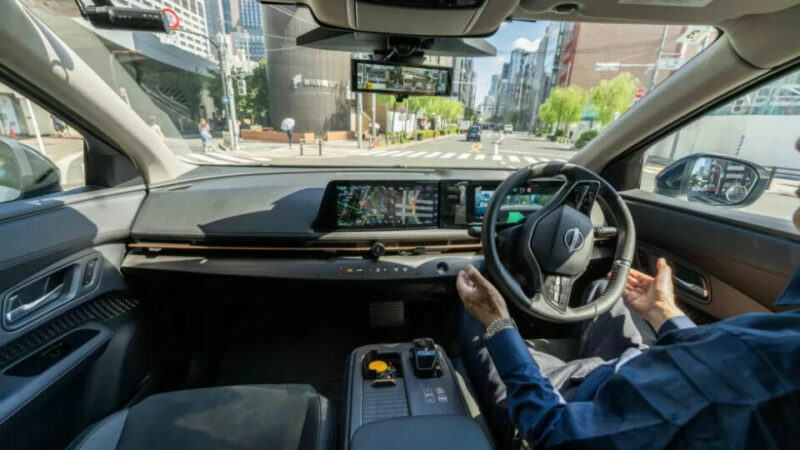
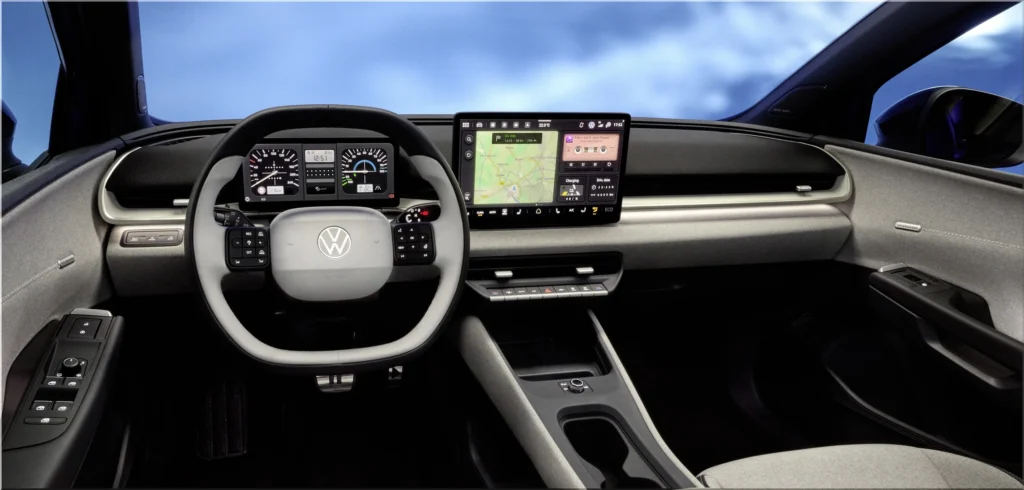
Modern electric performance cars are also redefining the driving environment inside the cabin.
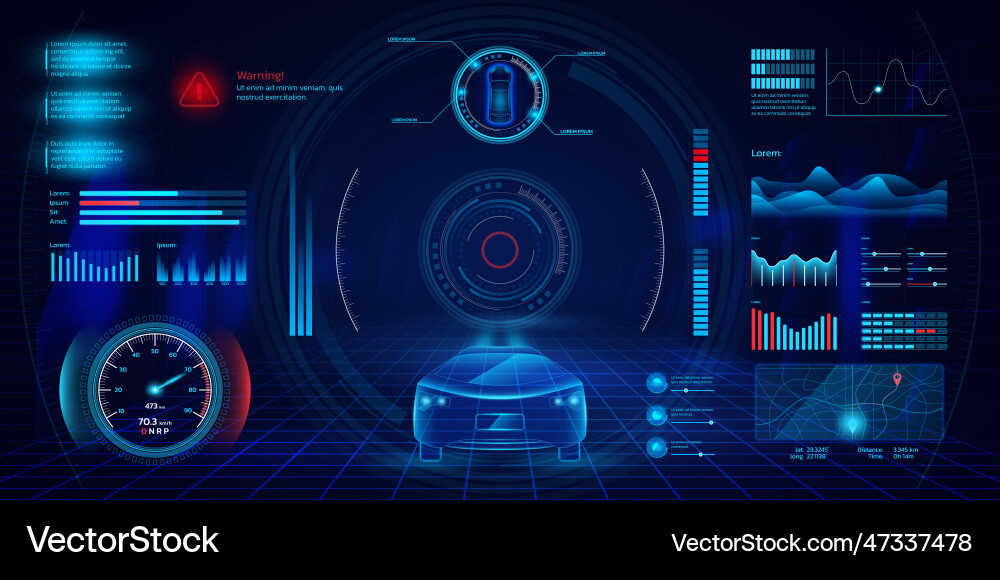
Large digital displays replace traditional dashboards, providing drivers with real-time performance data, navigation information, and vehicle settings.
Some vehicles even include advanced driving modes that adjust power delivery, suspension settings, and regenerative braking levels.
This level of customization allows drivers to tailor the driving experience to their preferences.
Battery Technology Advancements
The rapid improvement of battery technology is another major factor driving the growth of electric performance vehicles.
Modern batteries offer higher energy density, allowing cars to travel longer distances while maintaining powerful performance.
Fast-charging capabilities have also improved dramatically. Many modern EVs can add hundreds of kilometers of range in less than thirty minutes.
These advancements are making electric vehicles increasingly practical for everyday use.
Performance Meets Sustainability
One of the most exciting aspects of electric performance cars is their ability to combine speed with sustainability.
Unlike traditional sports cars that consume large amounts of fuel, electric vehicles produce zero tailpipe emissions.
This means drivers can enjoy thrilling performance while contributing to a more sustainable transportation future.
The Road Ahead
As technology continues to advance, electric performance cars are expected to become even more powerful and sophisticated.
Engineers are exploring new battery technologies, improved power management systems, and advanced software that can enhance vehicle performance.
In the coming years, electric vehicles may redefine what drivers expect from sports cars entirely.
The future of performance driving is electric—and it is arriving faster than anyone predicted.