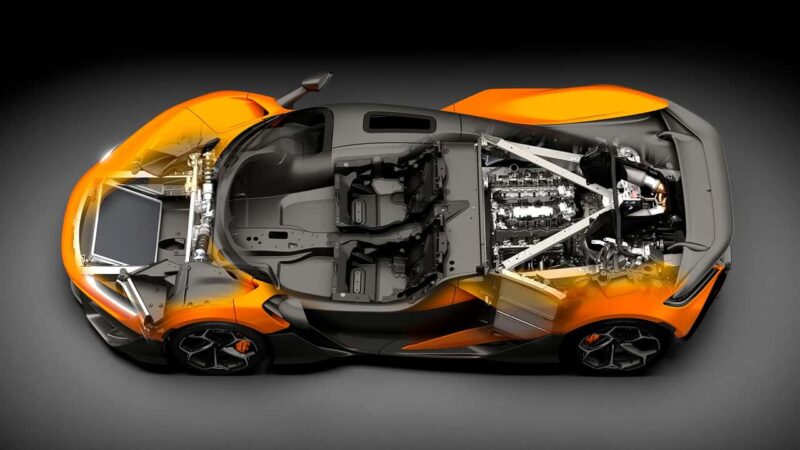
A New Chapter in Performance Engineering
For decades, supercars were defined by massive engines, dramatic soundtracks, and extreme fuel consumption. Today, however, a new generation of performance machines is emerging that combines traditional combustion engines with advanced electric technology. The rise of hybrid supercars marks one of the most exciting evolutions in modern automotive engineering.
Hybrid technology was originally introduced to improve fuel efficiency and reduce emissions. Yet engineers quickly discovered that electric motors could also deliver instant torque and dramatic performance advantages. This realization changed the trajectory of the supercar industry.
Modern hybrid supercars combine powerful combustion engines with electric motors that enhance acceleration, optimize energy efficiency, and deliver new levels of driving performance.
Instant Torque and Extreme Acceleration
One of the biggest advantages of hybrid powertrains is instant torque delivery. Electric motors generate maximum torque immediately, allowing hybrid supercars to accelerate with astonishing speed.
In many modern hybrid performance vehicles, the electric motor assists the engine during acceleration, providing an immediate boost in power. This allows engineers to achieve performance figures that were previously impossible using combustion engines alone.
Several hybrid supercars introduced in recent years can reach 100 km/h in less than three seconds. Some even approach the performance of track-focused race cars while remaining road legal.
Advanced Energy Management Systems
Hybrid supercars rely on sophisticated energy management systems to balance power delivery between the combustion engine and electric motors. These systems monitor driving conditions, battery levels, and throttle input to optimize performance and efficiency.
During braking or deceleration, regenerative systems capture kinetic energy and convert it into electrical energy that recharges the battery. This energy can later be used to assist acceleration or power electric driving modes.
This technology allows hybrid supercars to achieve impressive efficiency without sacrificing performance.
The Influence of Motorsport
Much of the hybrid technology used in modern supercars originates from motorsport. Racing series such as Formula 1 and endurance racing have pioneered hybrid systems designed to maximize performance.
In Formula 1, hybrid power units combine turbocharged engines with advanced energy recovery systems that capture heat and braking energy. These systems significantly increase performance while improving efficiency.
Automakers have successfully adapted many of these technologies for road cars, bringing racing innovation directly to consumers.
Redefining the Driving Experience
Hybrid supercars are also transforming the driving experience. Instead of relying solely on engine sound and mechanical power, drivers now experience the seamless integration of electric acceleration and combustion performance.
Electric motors deliver silent, instantaneous power, while traditional engines provide emotional engagement and high-speed performance. Together, these technologies create a unique driving sensation unlike anything seen in previous generations of supercars.
Environmental Responsibility Meets Performance
The automotive industry is under increasing pressure to reduce emissions and environmental impact. Hybrid supercars represent a compromise that allows manufacturers to maintain high-performance vehicles while moving toward more sustainable technologies.
By integrating electric power, these vehicles consume less fuel and produce fewer emissions than traditional supercars.
The Future of Hybrid Performance
As battery technology continues to improve, hybrid supercars are expected to become even more powerful and efficient. Some manufacturers are already experimenting with advanced hybrid systems that deliver over 1,000 horsepower.
Hybrid powertrains are also paving the way for fully electric supercars. Many of the technologies developed for hybrid vehicles will eventually influence the next generation of electric performance cars.
The future of automotive performance is likely to include a mix of hybrid and electric technologies that redefine what high-performance vehicles can achieve.