Classic Cars UAE | Automotive Heritage & Iconic Legends
In today’s automotive world—defined by silent electric motors, digital dashboards, and artificial intelligence—there exists a parallel universe where time moves differently. It is a world where chrome still gleams under the sun, engines roar with character, and every drive feels like a conversation between man and machine. This is the world of classic cars.
They are not just relics of the past. They are living symbols of identity, craftsmanship, and emotion—vehicles that continue to influence how we design, drive, and define automobiles today.
More Than Machines: The Soul of a Classic Car
Modern vehicles are engineered for efficiency, safety, and convenience. Classic cars, however, were built with something less measurable but far more powerful—soul.
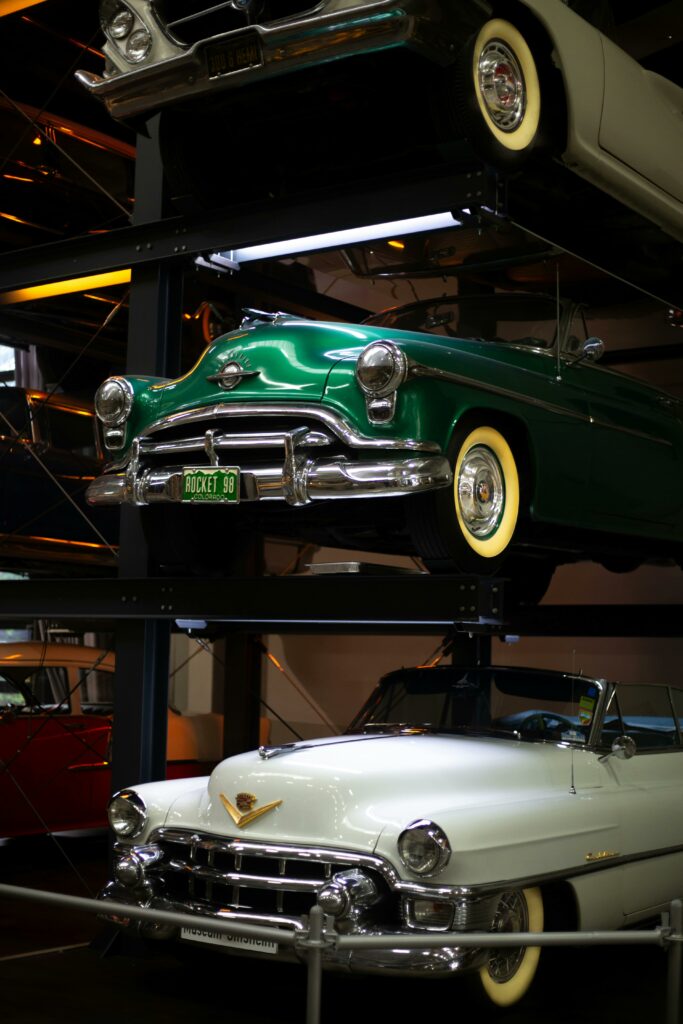
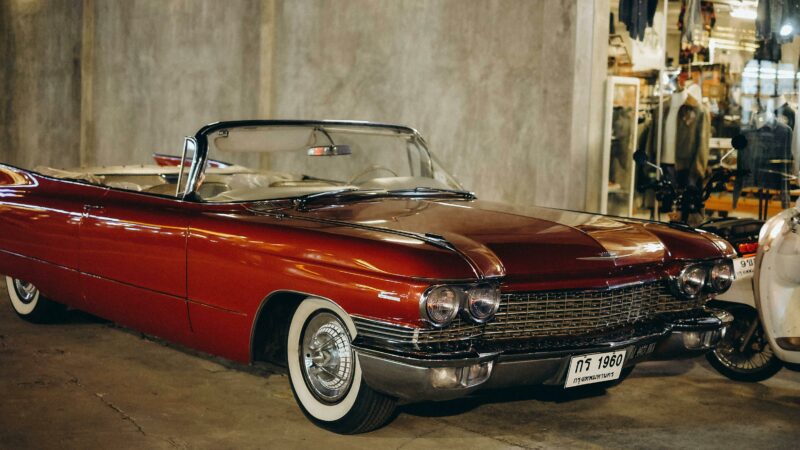
Every classic car tells a story. It reflects the era in which it was created, shaped by the cultural, economic, and technological influences of its time. Whether it’s the bold lines of a 1960s American muscle car or the refined elegance of a European grand tourer, each vehicle carries a distinct personality.
This individuality is what sets classic cars apart. In a market where many modern vehicles share similar design language, classics stand as reminders of a time when creativity was unrestricted.
Design That Defined Generations
The golden age of automotive design—spanning roughly from the 1950s to the 1980s—produced some of the most iconic vehicles in history. Designers were not bound by the same constraints as today. There were fewer regulations, fewer aerodynamic limitations, and a greater emphasis on visual identity.
Cars were designed to be seen, admired, and remembered.
Long hoods, sweeping curves, aggressive grilles, and intricate detailing were common. These elements were not just aesthetic choices—they were statements.
Even today, many modern vehicles borrow design cues from their predecessors. Retro-inspired models, heritage badges, and reimagined classics all pay homage to this era. It is proof that true design never fades—it evolves.
The Mechanical Connection
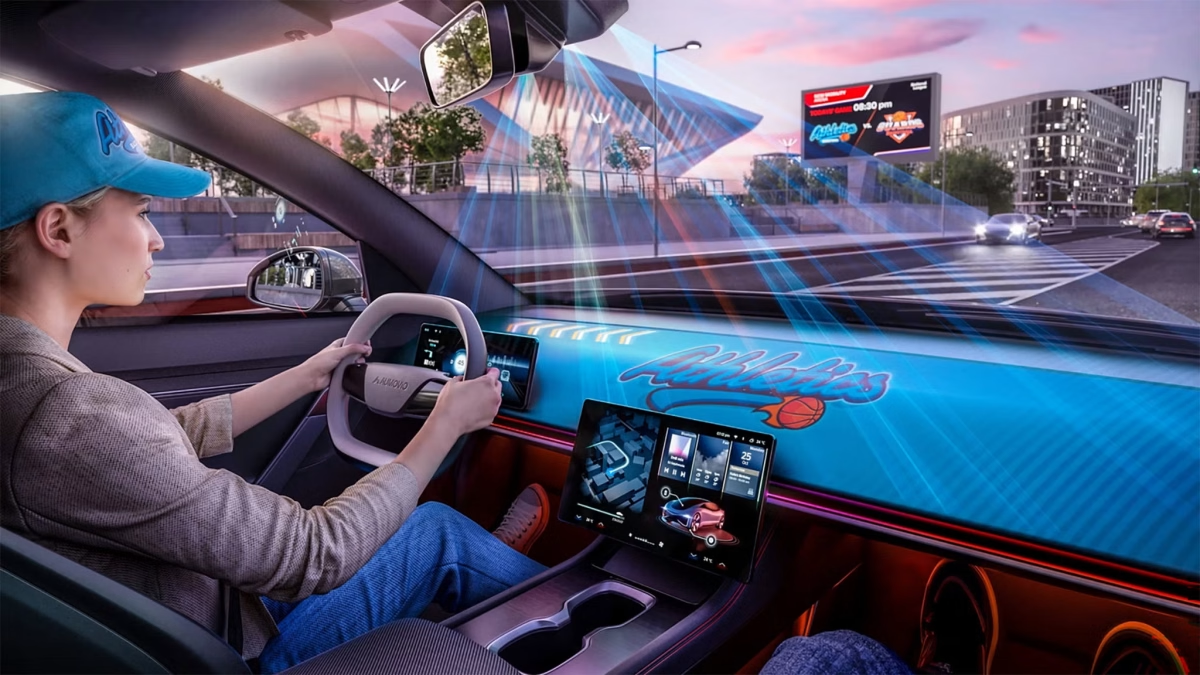
Driving a modern car is often effortless. Technology smooths out imperfections, corrects mistakes, and ensures a comfortable experience. While this is undoubtedly beneficial, it also creates a layer of separation between driver and machine.
Classic cars remove that barrier.
There are no driver aids, no automated systems—only mechanical interaction. Steering requires effort. Gear changes demand precision. Acceleration is felt, not filtered.
This raw connection is what enthusiasts cherish. It transforms driving from a routine task into an engaging experience.
Every sound, vibration, and movement becomes part of the journey.
Emotion Over Efficiency
In a world focused on efficiency, classic cars prioritize emotion. They are not practical by modern standards. They consume more fuel, require more maintenance, and lack advanced safety features.
Yet none of this diminishes their appeal.
Because owning a classic car is not about practicality—it is about passion.
It is about the feeling of turning a key and hearing an engine come to life. It is about the attention the car commands on the road. It is about the memories it creates.
For many, these emotional connections outweigh any functional limitations.
The Art of Restoration
One of the most fascinating aspects of classic car culture is restoration. Bringing a decades-old vehicle back to life is not just a technical process—it is an art form.
Restoration requires:
- Extensive knowledge of automotive engineering
- Access to rare or discontinued parts
- Patience and attention to detail
Some projects take years to complete. Every component is carefully repaired, replaced, or recreated to maintain authenticity.
For enthusiasts, the process is as rewarding as the result. It is a way of preserving history—ensuring that these vehicles continue to exist for future generations.
Classic Cars in the UAE: A Growing Passion
The UAE has become an unexpected yet thriving hub for classic car culture. While the region is often associated with luxury supercars and cutting-edge technology, there is a growing appreciation for automotive heritage.
Collectors across Dubai and Abu Dhabi are investing in vintage vehicles, building private collections that rival those in Europe and North America.
Events and exhibitions are also gaining popularity, bringing together enthusiasts who share a passion for classic automobiles.
This growth reflects a broader trend—the recognition that heritage matters, even in a rapidly modernizing society.
A Statement of Identity
Owning a classic car is not just about the vehicle itself—it is about what it represents.
For some, it is a connection to the past. For others, it is a symbol of individuality in a world of uniformity.
Classic cars allow owners to express their personality in a way that modern vehicles often cannot. Each car is unique, with its own history, character, and story.
In this sense, classic cars become extensions of identity.
Investment and Value
Beyond passion, classic cars have also become valuable assets. Certain models appreciate significantly over time, driven by rarity, condition, and historical significance.
Collectors often view classic cars as long-term investments. However, unlike traditional assets, these investments can be experienced and enjoyed.
This dual value—emotional and financial—makes classic cars particularly appealing.
Influence on Modern Automotive Culture
Despite their age, classic cars continue to influence modern automotive design and culture.
Manufacturers frequently revisit their heritage, drawing inspiration from iconic models. This can be seen in:
- Retro-styled vehicles
- Limited edition heritage models
- Design elements carried forward into new generations
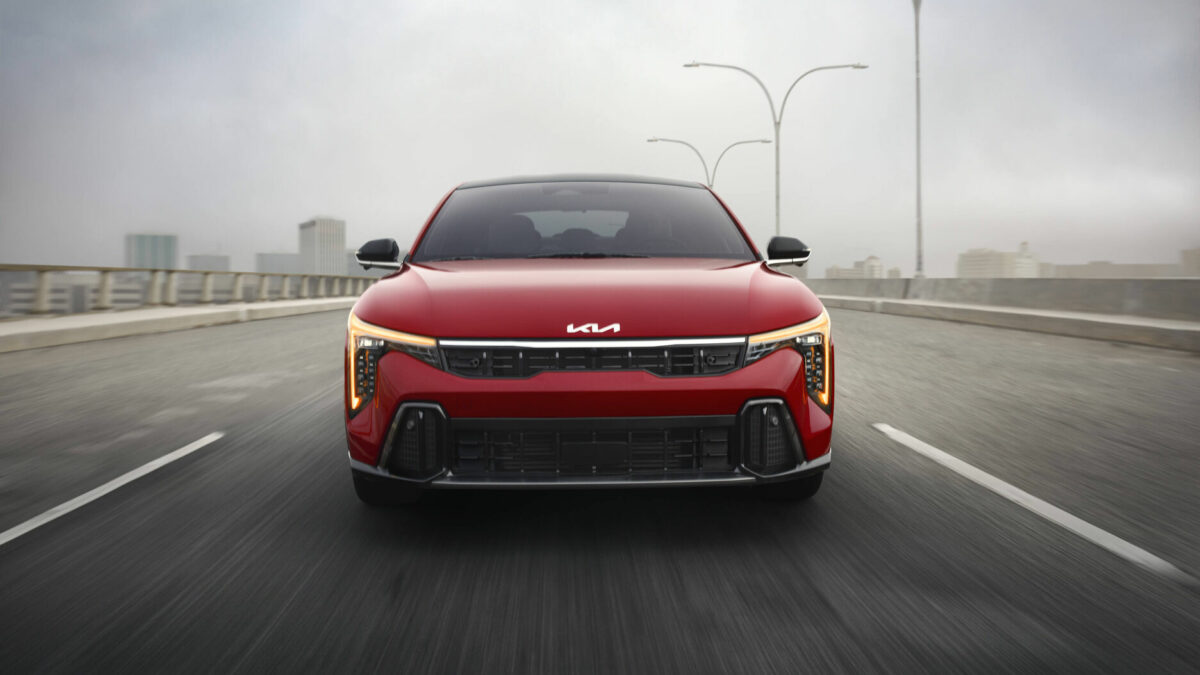
Even in the era of electric vehicles, this influence remains strong. Some EV manufacturers are exploring ways to incorporate classic aesthetics into modern platforms.
It is a testament to the enduring impact of automotive history.
Challenges in a Changing World
As the automotive industry moves toward electrification and sustainability, classic cars face new challenges.
Environmental regulations, fuel restrictions, and urban policies may limit their use in the future. However, these challenges are also driving innovation.
Some enthusiasts are exploring electric conversions—preserving the look of classic cars while modernizing their performance.
While controversial, this approach represents a potential bridge between heritage and sustainability.
The Future of Classic Cars
Despite these challenges, the future of classic cars remains secure. Their cultural significance ensures that they will always have a place in the automotive world.
Museums, private collections, and enthusiast communities will continue to preserve and celebrate these vehicles.
More importantly, new generations are discovering the appeal of classic cars. As digital experiences dominate modern life, the tactile, analog nature of these vehicles offers something refreshing.
Conclusion
Classic cars are more than machines—they are memories, milestones, and masterpieces.
They remind us of a time when driving was not just about reaching a destination, but about the journey itself.
In a rapidly evolving automotive landscape, they serve as anchors to the past, ensuring that the essence of driving is never lost.
Because while technology may redefine the future, it is heritage that gives it meaning