
Smart Car Technology 2026 | Best Car Features Explained
The automobile has undergone more transformation in the last decade than in the previous fifty years combined. What was once a purely mechanical machine has evolved into a sophisticated digital ecosystem—one that thinks, adapts, and interacts with its driver in ways that were once considered science fiction.
Today’s vehicles are no longer defined solely by horsepower or design. Instead, they are measured by intelligence, connectivity, and the seamless integration of technology into everyday driving. This shift marks the beginning of a new era—one where the car is not just driven, but experienced.
From Mechanical to Digital: A Fundamental Shift
Traditionally, cars were built around engineering excellence—engines, transmissions, and suspension systems. While these elements remain crucial, the modern vehicle is now equally defined by software.
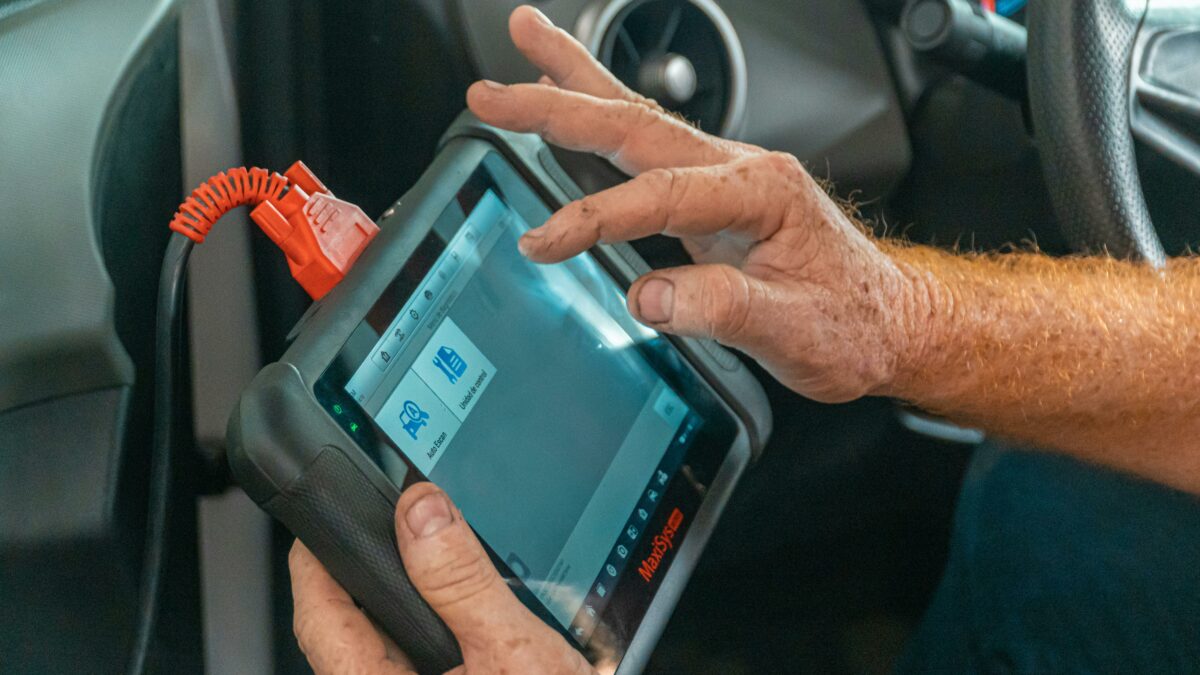
The introduction of electronic control units (ECUs) was the first step toward this transformation. Today, high-end vehicles can contain over 100 ECUs, managing everything from engine performance to climate control.
This digital backbone allows cars to process data in real time, enabling smarter decision-making and enhanced performance.
Artificial Intelligence: The Brain Behind the Machine
Artificial intelligence has become one of the most influential forces in automotive innovation. Unlike traditional systems, AI allows vehicles to learn from driver behavior.
For example, modern cars can:
- Adjust seat positions automatically based on previous settings
- Learn preferred routes and suggest alternatives based on traffic
- Optimize fuel efficiency based on driving habits
This level of personalization transforms the driving experience into something intuitive and tailored.
More importantly, AI contributes significantly to safety. Predictive systems can detect potential hazards before they occur, providing alerts or even taking corrective action.
Advanced Driver Assistance Systems (ADAS)
One of the most visible applications of automotive technology is ADAS. These systems act as a co-pilot, assisting drivers in real time.
Key features include:
- Adaptive Cruise Control: Maintains distance from vehicles ahead
- Lane Keeping Assist: Prevents unintentional lane drifting
- Automatic Emergency Braking: Detects obstacles and applies brakes
These technologies are designed to reduce human error, which remains the leading cause of accidents globally.
In the UAE, where high-speed highways are common, such systems are becoming increasingly valuable.
The Evolution of In-Car Experience
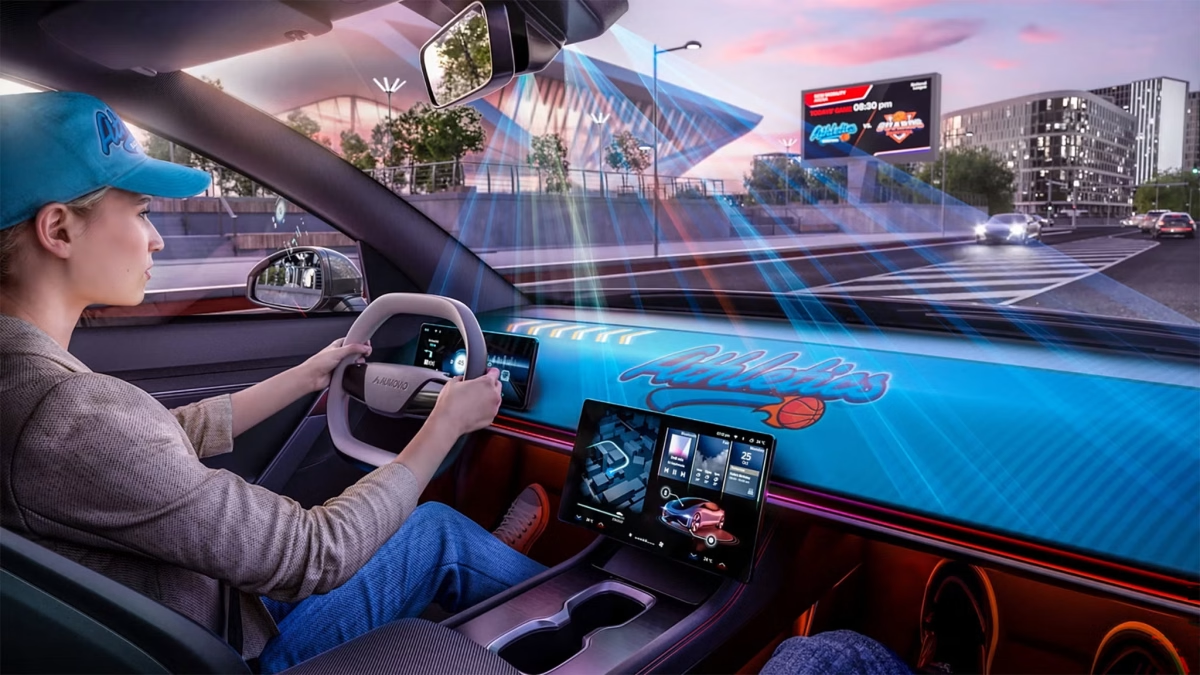
Step inside a modern vehicle, and the transformation is immediately apparent. Traditional dashboards have been replaced by digital displays, often spanning the entire width of the cabin.
Touchscreens now control:
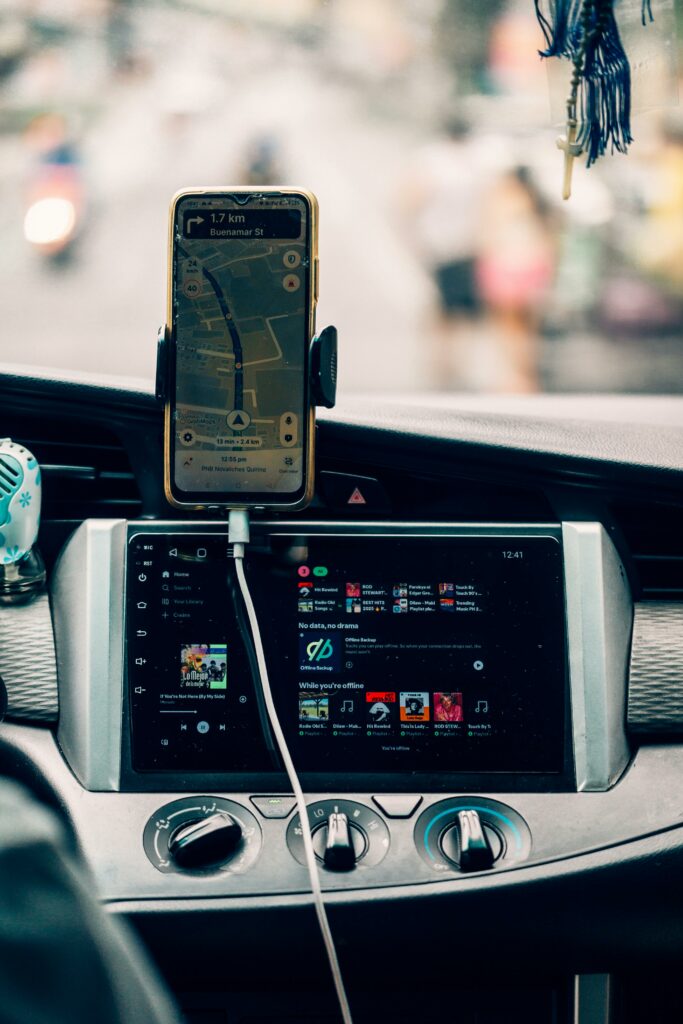
- Navigation
- Entertainment
- Climate settings
- Vehicle diagnostics
Some vehicles even feature augmented reality displays, projecting navigation directions onto the windshield.
This shift is not just about aesthetics—it is about usability. Drivers can access information quickly and intuitively, reducing distractions.
Voice Control and Human-Machine Interaction
One of the most significant advancements in recent years is voice control. Drivers can now interact with their cars using natural language.
Commands such as:
- “Set temperature to 22 degrees”
- “Play my playlist”
- “Navigate to Dubai Mall”
can be executed instantly.
This reduces the need for manual input, enhancing both convenience and safety.
Connectivity: Cars That Communicate
Modern vehicles are constantly connected. Through smartphone integration, drivers can:
- Lock or unlock their car remotely
- Monitor fuel levels or battery status
- Pre-cool the cabin before entering
This level of connectivity transforms the car into an extension of the digital lifestyle.
In the UAE, where temperatures can be extreme, features like remote climate control are not just convenient—they are essential.
Electric Vehicles and Smart Integration
Electric vehicles (EVs) are at the forefront of technological innovation. Unlike traditional cars, EVs are built around software-first architecture.
This allows for:
- Over-the-air updates
- Real-time performance optimization
- Advanced energy management systems
EVs are not just environmentally friendly—they are technologically superior in many aspects.
The UAE’s growing infrastructure, including charging stations and government incentives, is accelerating EV adoption.
Safety Reimagined
Safety has always been a priority in automotive design, but technology has elevated it to new levels.
Modern vehicles can:
- Detect driver fatigue
- Monitor blind spots
- Recognize traffic signs
Some systems even use cameras and sensors to create a 360-degree view of the surroundings.
These innovations are not just features—they are life-saving tools.
Luxury Meets Innovation
Luxury cars are leading the way in integrating technology. Interiors are designed to resemble premium lounges, with ambient lighting, high-quality materials, and advanced entertainment systems.
Passengers can enjoy:
- Individual climate zones
- High-definition screens
- Premium sound systems
The focus has shifted from driving alone to overall experience.
Challenges and Considerations
Despite these advancements, there are challenges. Increased reliance on technology raises concerns about:
- System reliability
- Cybersecurity
- Driver over-dependence
Manufacturers must strike a balance between innovation and usability.
The UAE’s Role in the Future of Mobility
The UAE is positioning itself as a leader in smart mobility. With initiatives supporting autonomous vehicles and electric infrastructure, the region is embracing the future.
Dubai’s vision for smart transportation aligns perfectly with these advancements, making it a key market for next-generation vehicles.
Conclusion
The modern car is no longer just a means of transport—it is a smart, connected, and adaptive machine.
As technology continues to evolve, driving will become safer, more efficient, and more personalized.
For drivers in the UAE, this transformation is not a distant future—it is already here.