The definition of performance in the automotive world has undergone a profound transformation. In 2026, supercars are no longer defined solely by horsepower figures or top speed records. Instead, the industry has entered an era where intelligence, adaptability, and digital integration are as critical as raw mechanical power. The modern supercar is no longer just a machine—it is an intelligent system designed to think, learn, and evolve alongside its driver.

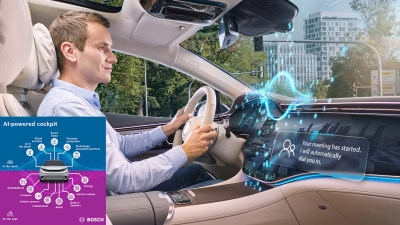
At the core of this transformation lies artificial intelligence. Today’s high-performance vehicles are equipped with advanced AI systems that process enormous amounts of data in real time. These systems monitor everything from road conditions and tire grip to driver behavior and environmental factors. The result is a driving experience that feels almost predictive, where the car anticipates the driver’s next move and adjusts accordingly.
This predictive performance represents one of the most significant shifts in automotive engineering. Traditional cars react; modern supercars anticipate. For example, when approaching a sharp corner at high speed, the vehicle can automatically adjust suspension stiffness, braking force, and torque distribution before the driver even initiates input. This creates a seamless and highly controlled driving experience, reducing risk while enhancing performance.
Electrification has played an equally important role in redefining performance. Electric drivetrains deliver instant torque, eliminating the delay traditionally associated with combustion engines. This allows for acceleration figures that were once considered unattainable. In many 2026 models, reaching 100 km/h in under three seconds is no longer exceptional—it is expected.
However, the shift to electric power has not diminished the emotional connection between driver and car. Engineers have worked extensively to create artificial soundscapes that replicate the excitement of traditional engines. These systems are not mere imitations; they are carefully designed auditory experiences that enhance the driving sensation while maintaining the benefits of electric efficiency.
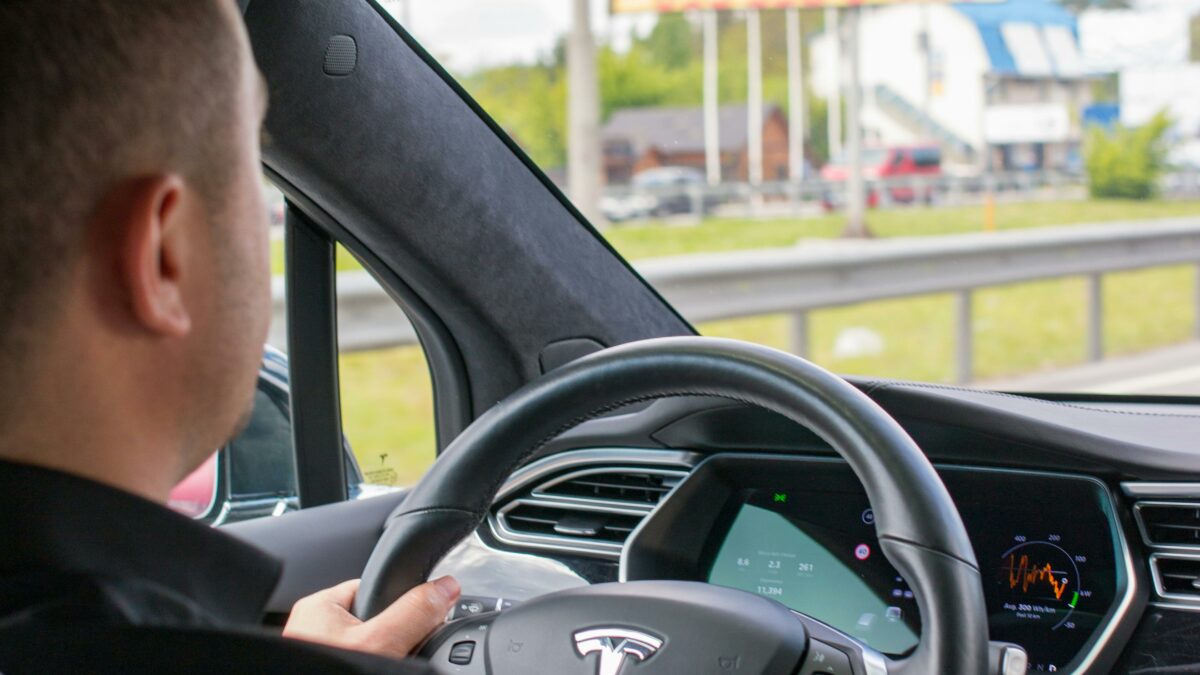
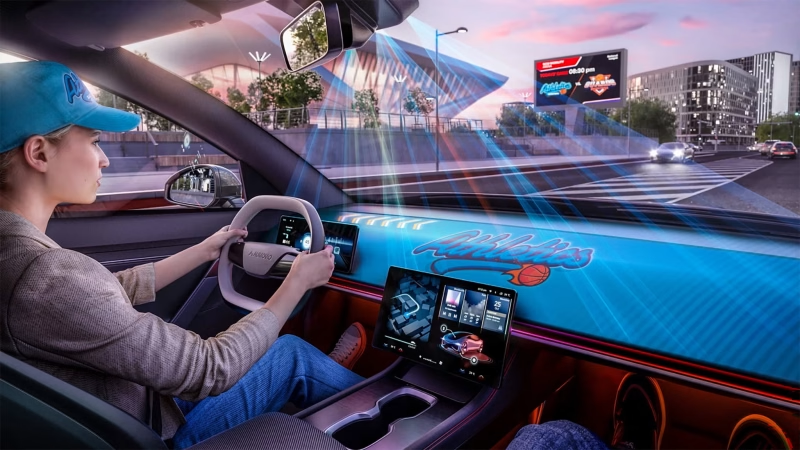
Interior design has also evolved dramatically. The cockpit of a modern supercar resembles a high-tech command center rather than a traditional dashboard. Large digital displays provide real-time information on performance metrics, navigation, and vehicle status. These interfaces are highly customizable, allowing drivers to tailor the display to their preferences. Whether focusing on lap times or long-distance comfort, the vehicle adapts to the driver’s needs.

Connectivity is another defining feature of 2026 supercars. Vehicles are now part of a broader digital ecosystem, seamlessly integrating with smartphones, smart homes, and cloud-based services. Over-the-air updates ensure that cars remain up to date with the latest software improvements, performance enhancements, and safety features. This means that owning a supercar is no longer a static experience—it evolves over time.
Sustainability has also become a central focus. High-performance vehicles are now designed with environmental responsibility in mind. From the use of recycled materials in interiors to energy-efficient manufacturing processes, automakers are proving that sustainability and luxury can coexist. Battery technology has improved significantly, offering longer range, faster charging times, and greater reliability.
Another major innovation is the integration of advanced driver-assistance systems. While supercars are traditionally associated with manual control, modern systems enhance safety without compromising the driving experience. Features such as adaptive cruise control, lane assistance, and collision prevention systems operate seamlessly in the background, providing an additional layer of security.
Personalization is perhaps the most exciting aspect of this new era. Vehicles can now learn from the driver’s habits and preferences, adjusting settings automatically. From seat positioning and climate control to driving modes and performance tuning, every aspect of the car can be customized. This creates a deeply personal connection between driver and machine.
The influence of technology extends beyond the vehicle itself. Manufacturers are now offering digital services that enhance ownership. Virtual driving simulations, performance analytics, and remote diagnostics allow drivers to engage with their vehicles in new ways. This level of interaction transforms the concept of car ownership into an ongoing experience rather than a one-time purchase.
Despite all these advancements, the essence of driving remains intact. The thrill of acceleration, the precision of handling, and the emotional connection between driver and car continue to define the supercar experience. Technology has not replaced these elements—it has enhanced them.
Looking ahead, the future of supercars will likely focus even more on integration and intelligence. Autonomous capabilities may become more prominent, but the emphasis will remain on delivering an engaging and dynamic driving experience. The challenge for manufacturers will be to balance automation with the human desire for control and excitement.
In conclusion, the supercars of 2026 represent a new chapter in automotive history. They are no longer just vehicles—they are intelligent systems that combine performance, technology, and sustainability. This evolution reflects a broader shift in how we perceive mobility, where innovation and experience go hand in hand.