Cars in 2026: How the Automotive World Is Changing Faster Than Ever
CarBook Editorial | 2026 Automotive Outlook
The year 2026 is shaping up to be a defining moment for the global automotive industry. Rather than one single breakthrough, the market is evolving through a combination of smarter technology, refined electrification, and a renewed focus on real-world usability. For drivers, this means better choices—cars that are not only more efficient, but also more practical, safer, and more enjoyable to live with.
Unlike previous years, where headlines were dominated purely by electric vehicles, 2026 represents a more balanced and realistic phase of innovation. Read more on CarBook Automotive Technology
Electrification Becomes Practical, Not Experimental
By 2026, electrification is no longer a novelty. Hybrid systems, plug-in hybrids, and electric vehicles have matured into dependable everyday options. Manufacturers have learned that drivers want efficiency without inconvenience, leading to better battery management, improved real-world range, and faster charging solutions.
Rather than pushing full EV adoption at all costs, many brands are offering diversified lineups—allowing buyers to choose the level of electrification that best suits their lifestyle. This shift is especially relevant in regions where charging infrastructure is still developing.
Software-Defined Cars Take Center Stage
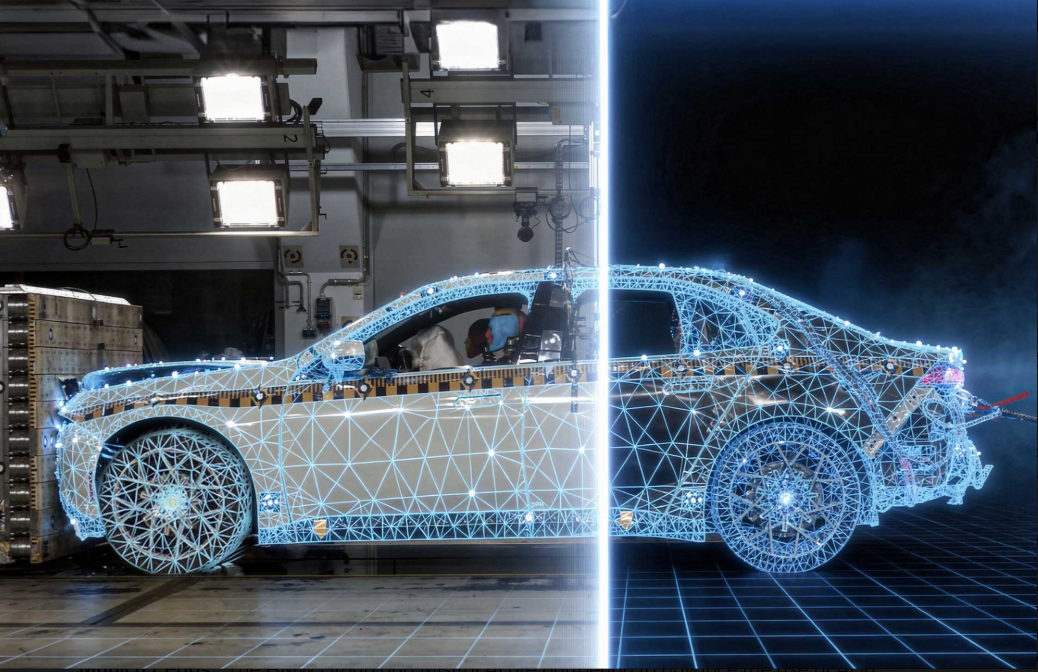
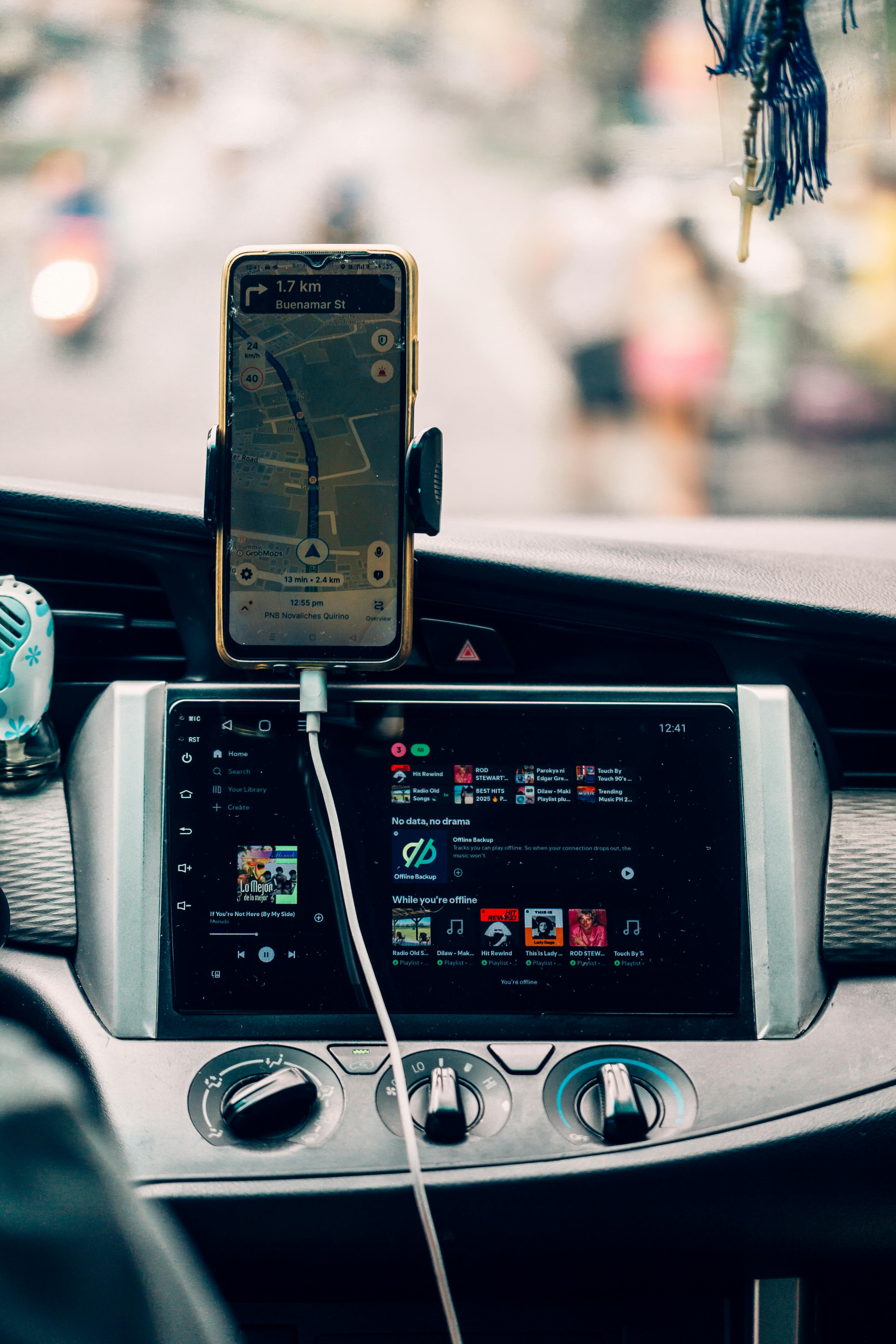
One of the biggest changes in 2026 cars isn’t mechanical—it’s digital. Modern vehicles are increasingly software-defined, meaning features, performance tuning, safety systems, and even driving characteristics are controlled by software rather than hardware alone.
Over-the-air updates have become standard, allowing manufacturers to:
- Improve vehicle performance remotely
- Fix bugs without workshop visits
- Add new features long after purchase
This has fundamentally changed vehicle ownership. Cars now evolve over time instead of aging the moment they leave the showroom.
Advanced Safety Becomes the New Baseline
In 2026, advanced safety systems are no longer optional extras. Features such as adaptive cruise control, lane-centering assistance, blind-spot monitoring, and emergency braking are increasingly standard across multiple segments.
What’s notable is not just the availability of these systems, but how refined they’ve become. The latest driver-assistance technologies are smoother, less intrusive, and more predictive—working quietly in the background rather than overwhelming the driver.
This evolution supports a key industry trend: assistance, not automation.
Interior Design Focuses on Comfort and Simplicity
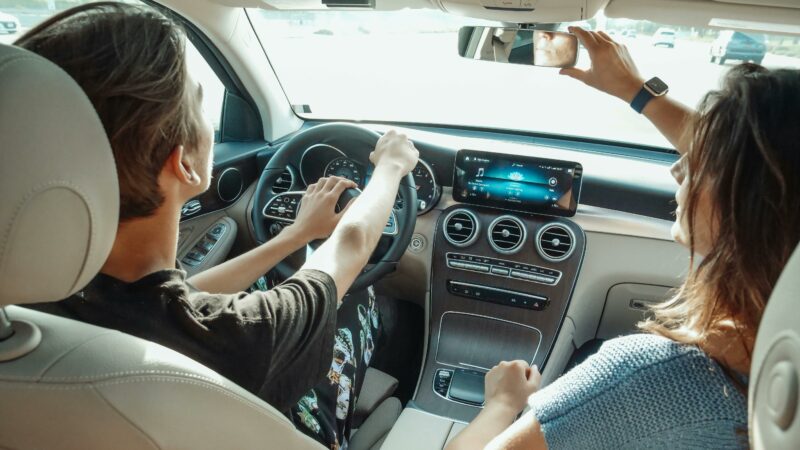
After years of oversized screens and complex interfaces, 2026 interiors show a clear shift toward clean design and intuitive usability. Touchscreens remain important, but manufacturers are reintroducing physical controls for frequently used functions, responding directly to driver feedback.
Cabins feel more premium across all segments, with better materials, improved noise insulation, and smarter storage solutions. Even mid-range vehicles now offer interior quality that once belonged only to luxury brands.
Performance Reimagined for Everyday Roads
Performance in 2026 is no longer defined solely by horsepower figures. Instant electric torque, smoother acceleration, and intelligent drive modes have redefined what “fast” and “responsive” mean in daily driving.
Even performance-oriented models are becoming more usable—offering comfort, efficiency, and refinement alongside speed. This balance reflects changing consumer priorities, where enjoyment must coexist with practicality.
Sustainability Beyond the Powertrain
Sustainability in 2026 goes beyond fuel type. Manufacturers are investing heavily in:
- Recycled interior materials
- Reduced manufacturing emissions
- More durable components to extend vehicle lifespan
This broader approach reflects growing consumer awareness. Buyers now expect responsibility not just in emissions, but throughout the entire vehicle lifecycle.
What This Means for Car Buyers
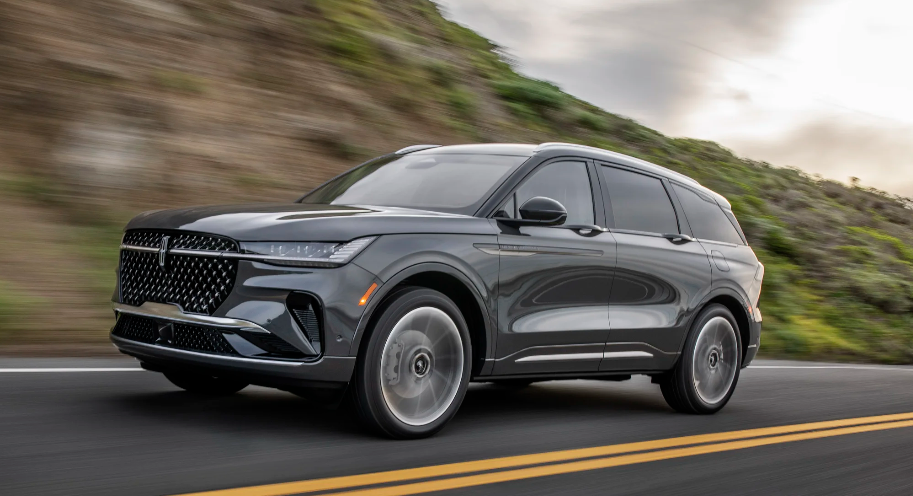
For consumers, 2026 is a year of choice and clarity. The market has moved past experimentation into refinement. Whether choosing a hybrid SUV, an electric city car, or a modern petrol model, buyers benefit from better technology, improved safety, and stronger long-term value.
Cars are becoming smarter—not more complicated. And that may be the most important shift of all.
Final Thoughts
The automotive world in 2026 is defined by balance. Technology serves the driver, not the other way around. Electrification is practical, software is meaningful, and design prioritizes comfort and usability.
For enthusiasts and everyday drivers alike, 2026 represents one of the most exciting and sensible chapters in modern automotive history.