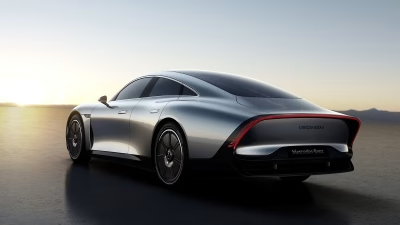
The New Technologies Transforming Modern Cars
Automotive technology has evolved dramatically over the past decade, transforming the way drivers interact with their vehicles. Modern cars are no longer simply mechanical machines; they are complex digital ecosystems packed with advanced features designed to improve safety, comfort, and performance.
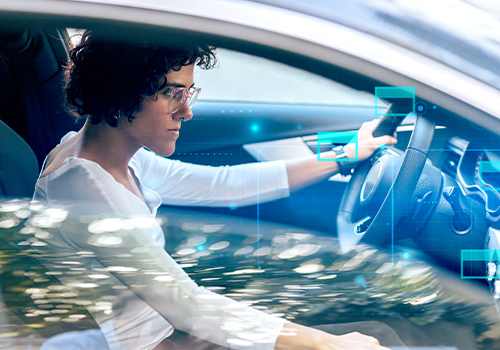
One of the most significant developments in recent years has been the rise of intelligent driver assistance systems. These technologies use radar sensors, cameras, and artificial intelligence to monitor the surrounding environment and assist the driver during complex driving situations.
Adaptive cruise control, lane-keeping assistance, and automated emergency braking are now standard in many modern vehicles. These systems not only reduce driver fatigue during long journeys but also significantly improve road safety.
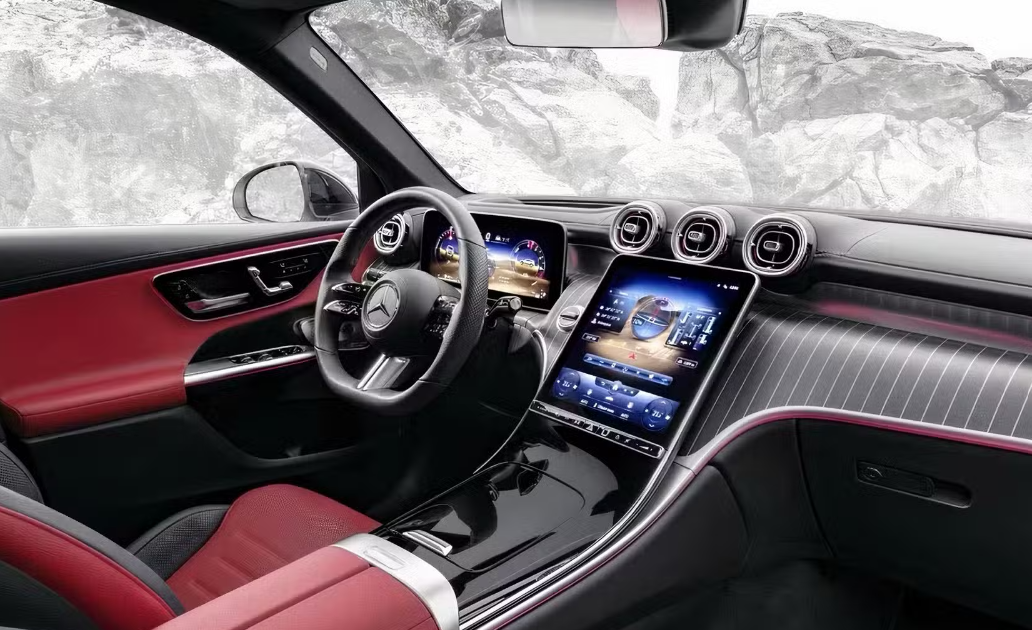
Another area of innovation is infotainment technology. Large touchscreen displays, voice-controlled interfaces, and smartphone connectivity have become central elements of the modern driving experience. Drivers can now access navigation, music, and communication tools seamlessly from the vehicle’s dashboard.
Connectivity has also introduced the concept of over-the-air updates. Instead of visiting a dealership for software improvements, vehicles can now receive updates remotely through wireless connections. This allows manufacturers to enhance vehicle performance, improve efficiency, and introduce new features long after the car has been purchased.
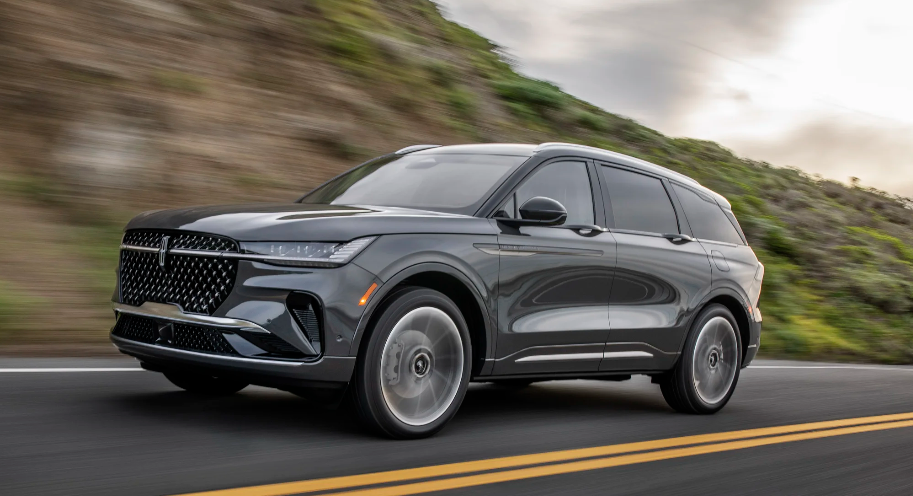
Lighting technology has also advanced significantly. Adaptive LED and laser lighting systems can automatically adjust the intensity and direction of headlights based on road conditions. This improves visibility at night while reducing glare for other drivers.
Interior technology has also evolved dramatically. Digital instrument clusters, augmented reality head-up displays, and customizable ambient lighting are transforming the way drivers interact with their cars.
Sustainability is also influencing automotive product design. Many manufacturers are introducing recycled materials, plant-based fabrics, and eco-friendly manufacturing processes to reduce environmental impact.
As automotive innovation continues to accelerate, the vehicles of tomorrow will likely become even more connected, intelligent, and efficient. For drivers, this means a future where cars are not only safer and more comfortable but also far more technologically advanced than ever before.