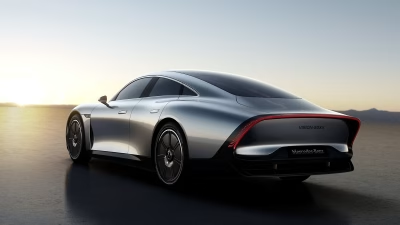
Automotive Technology 2026: How Intelligent Systems Are Transforming the Driving Experience
Introduction: The New Age of Intelligent Vehicles
The automotive industry is undergoing a remarkable transformation as digital technology becomes a central component of modern vehicles. Cars are no longer just mechanical machines powered by engines and gears; they are sophisticated technological platforms equipped with advanced software, artificial intelligence, and connected systems.
In 2026, automotive technology is evolving faster than ever. From intelligent driver assistance systems to software-driven vehicle architectures, the modern car is becoming smarter, safer, and more efficient. These innovations are not only improving driving experiences but also redefining how vehicles interact with drivers, infrastructure, and the digital world.
Manufacturers across the global automotive industry are investing heavily in research and development to introduce new technologies that enhance safety, performance, and connectivity. The result is a new generation of vehicles that blend engineering excellence with cutting-edge digital innovation.
Digital Cockpits: The Future of In-Car Interaction
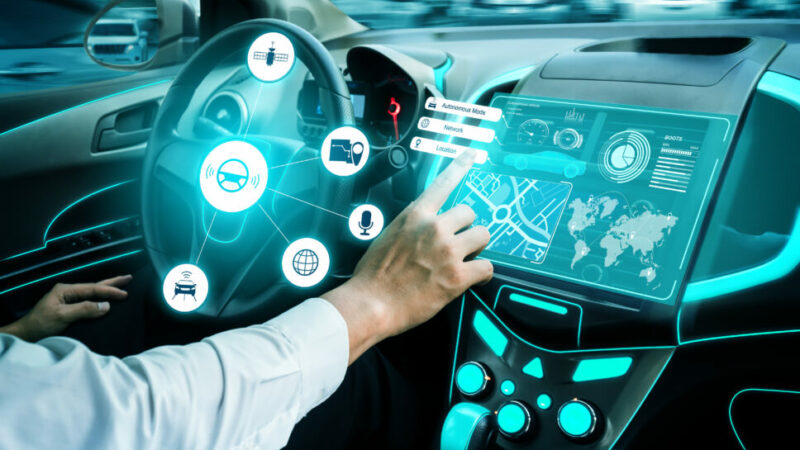
One of the most noticeable changes in modern vehicles is the transformation of the traditional dashboard into a fully digital cockpit. Large high-resolution displays now replace conventional gauges and physical buttons, creating an intuitive and customizable interface for drivers.
Digital instrument clusters allow drivers to access essential information such as speed, navigation, battery status, and driving modes through interactive screens. Many vehicles now feature panoramic displays that extend across the entire dashboard, providing a seamless digital environment.
Voice control and artificial intelligence are also becoming key components of these systems. Drivers can adjust climate settings, activate navigation, or control entertainment systems simply by speaking commands. This technology reduces distractions and allows drivers to maintain focus on the road.
Augmented reality head-up displays are another innovation gaining popularity. These systems project important driving information directly onto the windshield, allowing drivers to see navigation instructions and hazard warnings without looking away from the road.
Advanced Driver Assistance Systems (ADAS)
Safety has always been a priority in automotive engineering, and modern technology is making vehicles safer than ever before. Advanced Driver Assistance Systems, commonly known as ADAS, use sensors, cameras, and radar technology to monitor the vehicle’s surroundings.
These systems assist drivers by detecting potential hazards and helping prevent accidents. Features such as adaptive cruise control, lane-keeping assistance, blind-spot monitoring, and automatic emergency braking have become standard in many new vehicles.
Some vehicles now include semi-autonomous driving capabilities that allow the car to manage steering, acceleration, and braking under certain conditions. While full autonomous driving is still under development, these systems represent an important step toward the future of mobility.
By combining multiple sensors and sophisticated algorithms, ADAS technology can analyze road conditions in real time and respond faster than human drivers in critical situations.
Connectivity and Over-the-Air Updates
Connectivity is another major technological advancement shaping the modern automotive experience. Today’s vehicles function as connected devices that integrate with smartphones, cloud services, and digital ecosystems.
Drivers can remotely monitor their vehicles through mobile applications, checking battery levels, locking doors, or locating the car in crowded parking areas.
One of the most revolutionary developments is the introduction of over-the-air software updates. Instead of visiting a dealership for system upgrades, vehicles can now receive updates wirelessly through internet connections.
Manufacturers can use these updates to improve vehicle performance, enhance safety features, and introduce entirely new functionalities. This means that cars can continue to evolve long after they leave the showroom floor.
Battery Technology and Electrification
Electric vehicles have accelerated the development of new battery technologies that are transforming the automotive landscape. Modern battery systems offer higher energy density, faster charging speeds, and longer lifespan compared to earlier electric vehicle batteries.
Solid-state batteries, currently under development by several manufacturers, promise even greater improvements. These batteries could significantly increase driving range while reducing charging time and improving safety.
Battery management systems also play a crucial role in optimizing energy usage. Advanced software continuously monitors battery temperature, performance, and charging efficiency to maximize reliability and longevity.
As battery technology continues to improve, electric vehicles are expected to become more affordable and accessible to a wider audience.
Artificial Intelligence in Vehicles
Artificial intelligence is rapidly becoming an essential component of automotive technology. AI systems analyze data from sensors and cameras to assist drivers and improve vehicle performance.
For example, AI-powered driver monitoring systems can detect signs of fatigue or distraction and alert the driver to take a break. Some vehicles can even adjust seat position, climate settings, and driving modes based on driver preferences.
Machine learning algorithms also help improve navigation systems by analyzing traffic patterns and suggesting optimal routes.
As AI continues to evolve, vehicles will become more personalized and capable of adapting to individual driving habits.
Cybersecurity and Data Protection
With increased connectivity comes the need for strong cybersecurity measures. Modern vehicles process large amounts of data, making them potential targets for cyber threats.
Manufacturers are implementing advanced encryption systems and secure communication protocols to protect vehicle software from unauthorized access.
Cybersecurity is becoming a key area of research as vehicles become more connected and autonomous.
The Road Ahead
The future of automotive technology is filled with exciting possibilities. Autonomous driving systems, next-generation battery technology, and advanced artificial intelligence will continue to shape the evolution of mobility.
While mechanical engineering remains an essential foundation of vehicle design, software and digital innovation are becoming equally important.
For drivers, this means safer roads, more efficient transportation, and an entirely new level of convenience.
As technology continues to advance, the modern car will become not only a means of transportation but also an intelligent companion that enhances the entire driving experience.