Automotive Technology in 2026
The automotive industry in 2026 is undergoing one of the most transformative periods in its history. What was once considered futuristic — autonomous driving, fully electric performance, and AI-powered vehicles — is now becoming standard across many premium and even mid-range models. The modern car is no longer just a machine; it is an intelligent ecosystem designed to enhance safety, efficiency, and overall driving experience.

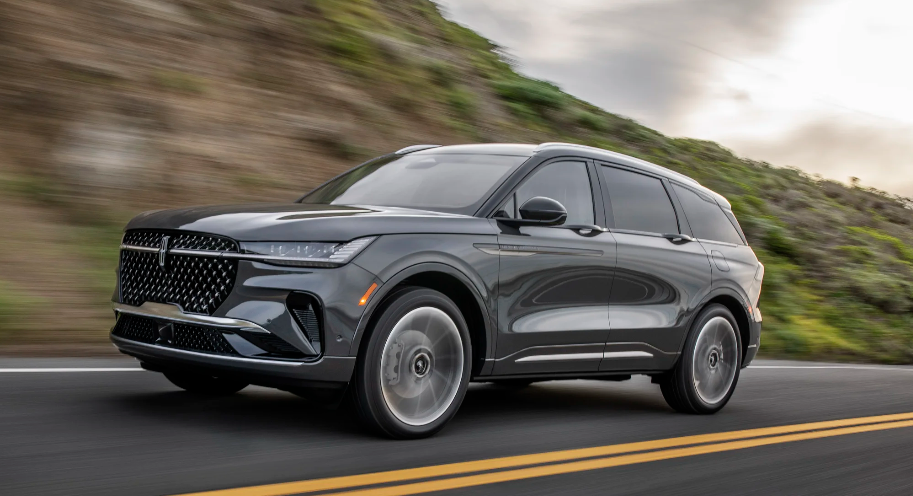
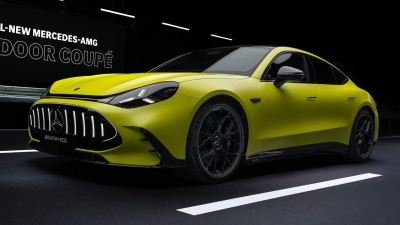
At the forefront of this revolution is electrification. Electric vehicles (EVs) have moved beyond niche markets and are now dominating global automotive strategies. Major manufacturers are investing heavily in battery innovation, resulting in longer driving ranges and significantly faster charging times. In 2026, some EVs can achieve up to 600–800 kilometers on a single charge, with ultra-fast charging systems capable of delivering 80% battery capacity in under 20 minutes.
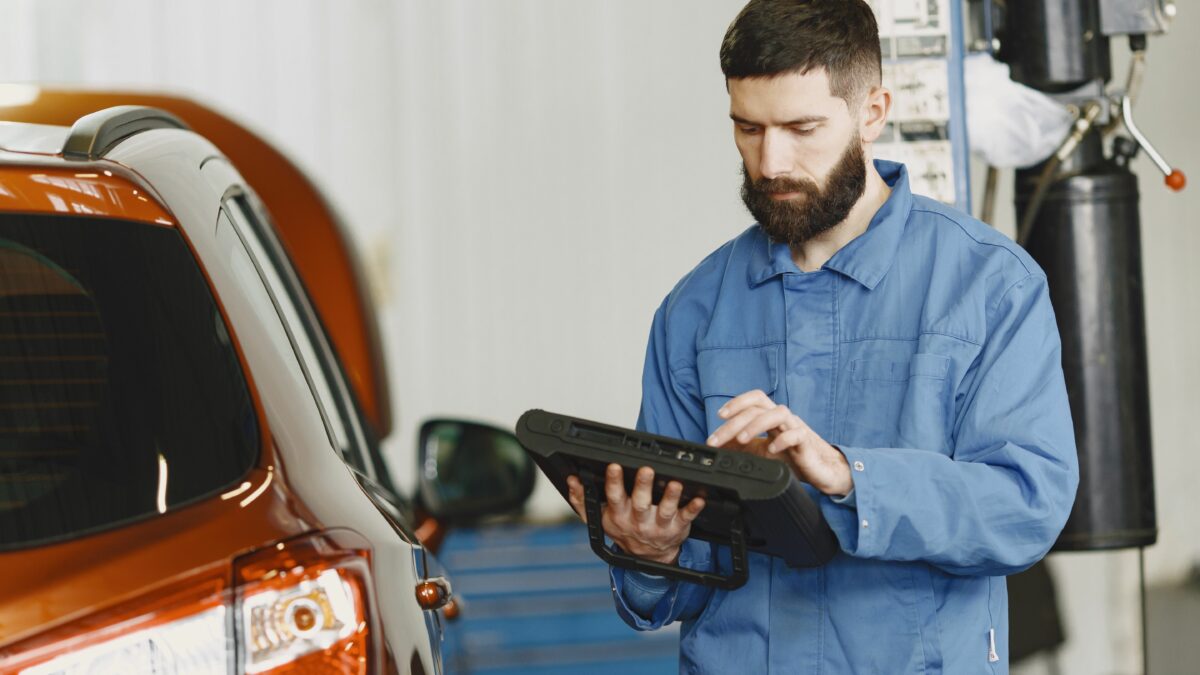
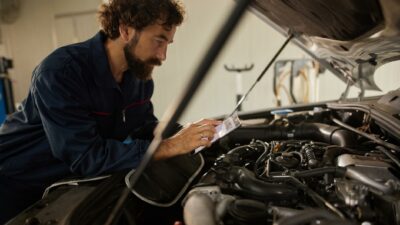
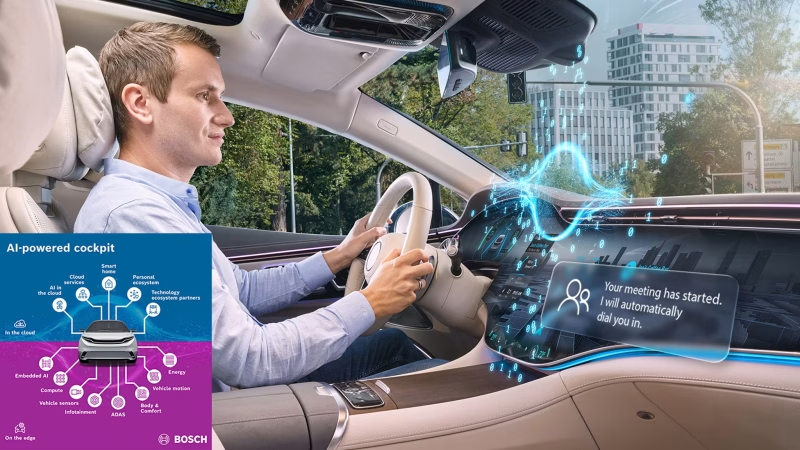
Artificial intelligence is another defining element of modern vehicles. AI-driven systems now monitor driver behavior, adjust vehicle settings, and even predict maintenance needs before issues arise. These intelligent systems enhance both safety and convenience, creating a more personalized driving experience. Voice assistants have also evolved, allowing drivers to control navigation, climate, and entertainment seamlessly without distraction.
Autonomous driving technology continues to advance rapidly. While full autonomy is still being refined, Level 3 and Level 4 autonomous systems are becoming more widely available. These systems allow vehicles to handle certain driving conditions independently, particularly on highways and in traffic. For drivers in urban environments like Dubai, this means reduced stress and increased efficiency during daily commutes.
Connectivity is another major breakthrough. Cars in 2026 are fully integrated with digital ecosystems, enabling real-time updates, remote vehicle control, and seamless smartphone connectivity. Drivers can now pre-condition their vehicles, monitor performance, and even schedule services directly from mobile applications. Read more on Technology.
Interior design has also evolved significantly. The traditional cockpit has been replaced with minimalist layouts dominated by large touchscreens and digital displays. Ambient lighting, premium materials, and customizable interfaces create a luxurious and immersive environment. Some models even feature augmented reality displays that project navigation and safety information directly onto the windshield.
Sustainability is a key focus in automotive innovation. Manufacturers are increasingly using recycled and eco-friendly materials in vehicle production. From vegan leather interiors to sustainable manufacturing processes, the industry is moving toward a greener future without compromising on quality or performance.

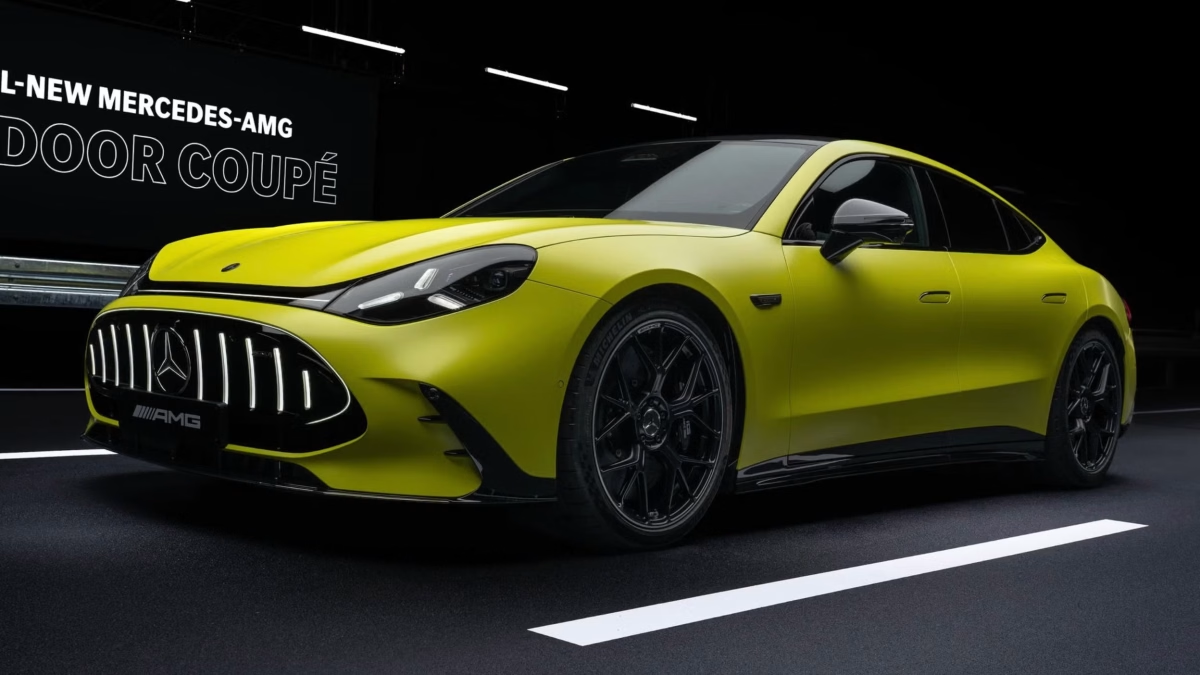
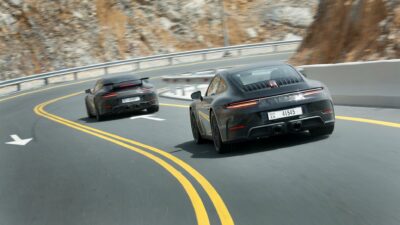
Performance has not been sacrificed in this shift toward sustainability. In fact, electric powertrains are delivering unprecedented acceleration. Instant torque allows EVs to outperform many traditional combustion engines, redefining expectations of speed and responsiveness.
In regions like the UAE, where luxury and innovation go hand in hand, these advancements are particularly relevant. The demand for high-performance, technologically advanced vehicles continues to grow, making the region a key market for automotive innovation.
The future of driving is no longer a concept — it is a reality. As technology continues to evolve, the automotive industry is set to redefine mobility, making driving safer, smarter, and more enjoyable than ever before.
Another major breakthrough shaping automotive technology in 2026 is the integration of over-the-air (OTA) software updates. Much like smartphones, modern vehicles can now receive continuous improvements without visiting a service center. These updates enhance performance, introduce new features, and even improve battery efficiency over time, ensuring that the car remains up to date long after purchase.
Cybersecurity has also become a critical focus as vehicles become more connected. Manufacturers are investing in advanced encryption systems and real-time monitoring to protect vehicles from digital threats. This ensures that both driver data and vehicle systems remain secure in an increasingly connected environment.
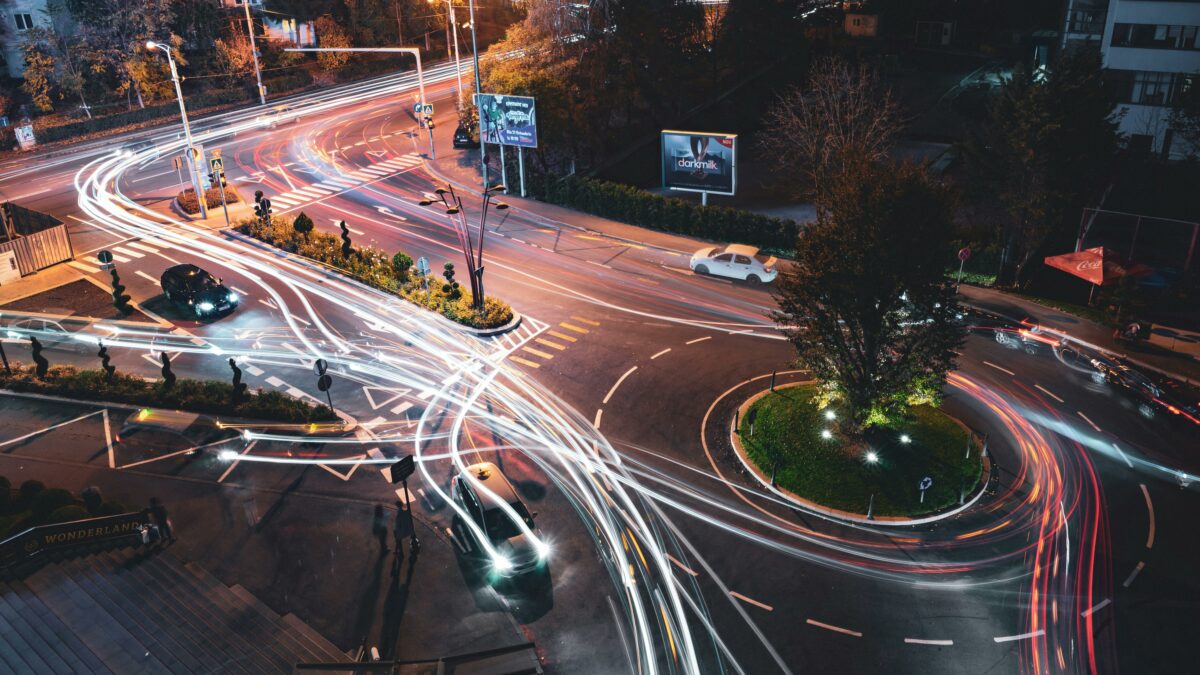
Additionally, vehicle-to-everything (V2X) communication is gaining traction, allowing cars to interact with traffic systems, other vehicles, and infrastructure. This technology is expected to significantly reduce accidents, optimize traffic flow, and create a smarter, safer driving ecosystem for the future.