How AI Is Changing Driving
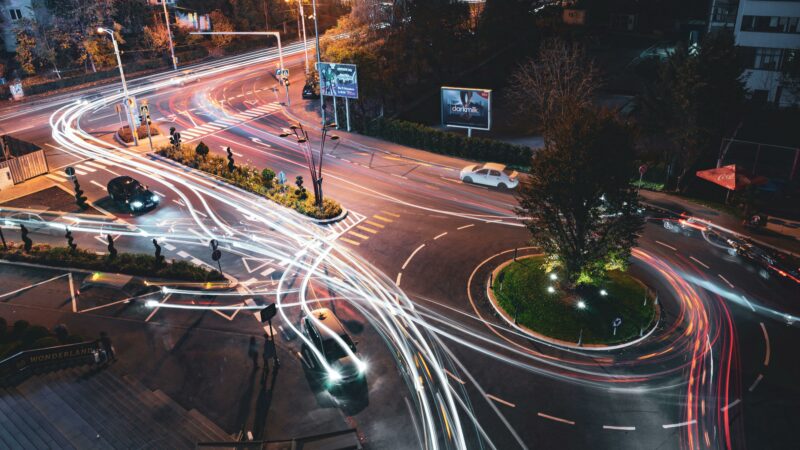
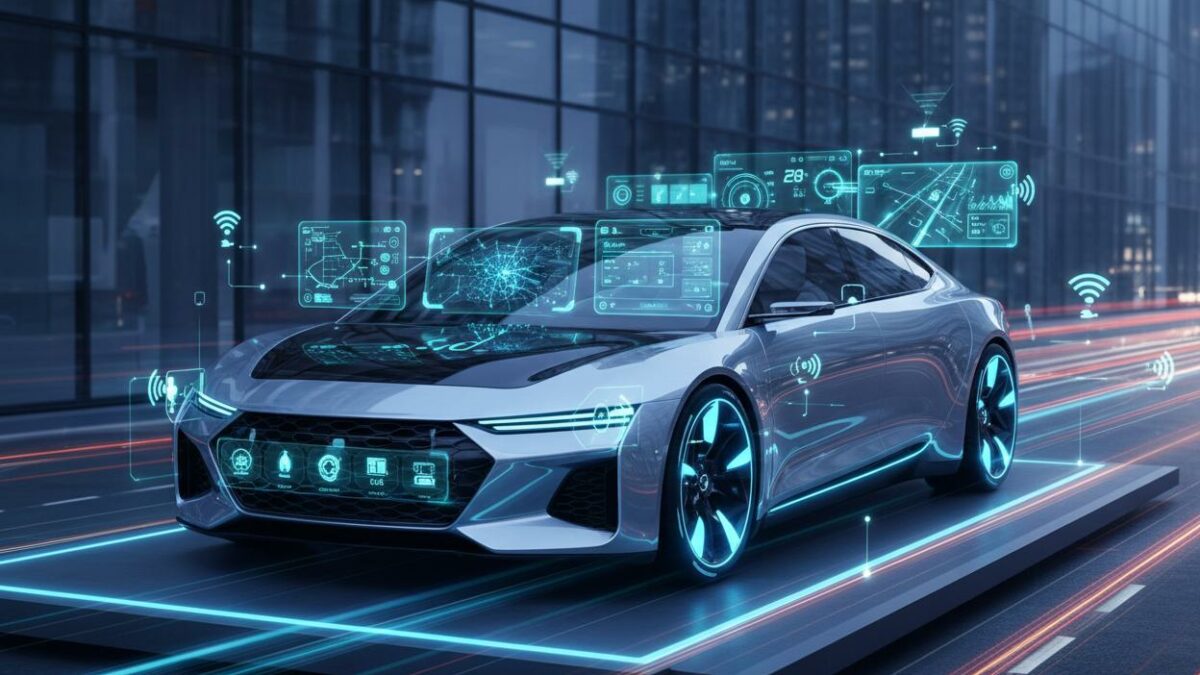
What if your car could think faster than you, react before you even notice danger, and adapt itself to your driving style automatically? In 2026, this is no longer a futuristic idea—it’s reality. Artificial intelligence is quietly transforming the way we drive, turning vehicles into intelligent partners rather than simple machines.
Introduction
The automotive world has always been driven by innovation. From the invention of the combustion engine to the rise of electric vehicles, each era has redefined mobility. Today, we are entering a new phase—one powered by artificial intelligence.
AI is not just enhancing cars; it is fundamentally changing what driving means. It is improving safety, efficiency, comfort, and performance in ways that were unimaginable just a few years ago. In markets like the UAE, where technology adoption is rapid and infrastructure is world-class, this transformation is happening even faster.
AI as the New Engine of Performance
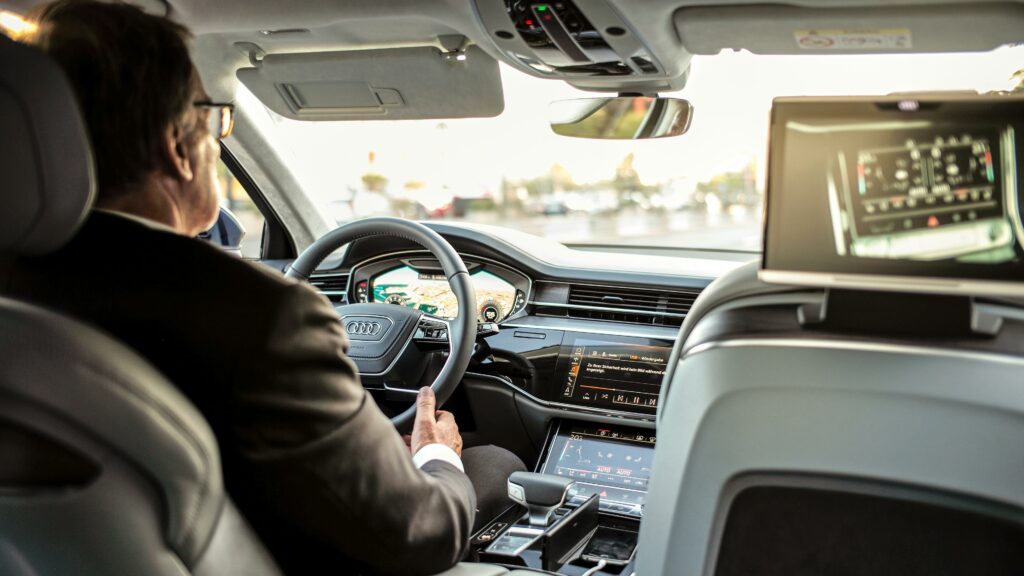
Traditionally, performance was measured by horsepower, torque, and acceleration. While these metrics still matter, they are no longer the full story. AI is becoming the invisible engine behind modern vehicles.
Advanced systems now analyze driving conditions in real time—adjusting suspension, braking, and steering to optimize performance instantly. This creates a smoother, safer, and more responsive driving experience.
For example, AI-powered adaptive suspension systems can read the road surface and adjust within milliseconds, ensuring stability whether you’re driving on smooth highways in Dubai or uneven desert terrain.
Predictive Safety: Preventing Accidents Before They Happen
One of the most important contributions of AI is in safety. Instead of reacting to accidents, modern vehicles are now designed to prevent them.
AI systems use cameras, radar, and sensors to monitor everything around the car. They can detect pedestrians, other vehicles, and potential hazards before the driver even notices them.
Features such as:
- Automatic emergency braking
- Lane-keeping assistance
- Blind-spot detection
are now standard in many vehicles, but in 2026, they are becoming smarter. These systems learn from data, improving over time and adapting to different driving environments.
In high-traffic cities like Dubai, this technology is not just convenient—it is essential.
Personalized Driving Experience
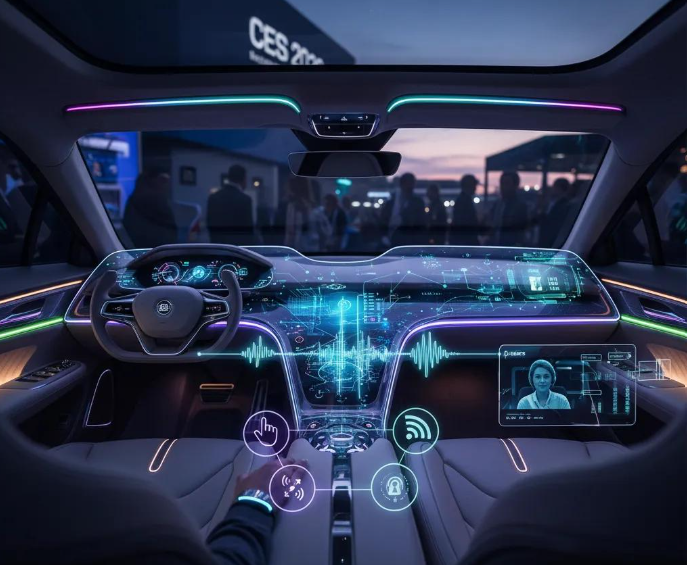
AI is also making cars more personal. Every driver has unique habits, preferences, and behaviors. Modern vehicles can now learn these patterns and adjust accordingly.
For instance:
- Your car can adjust seat position, temperature, and music automatically
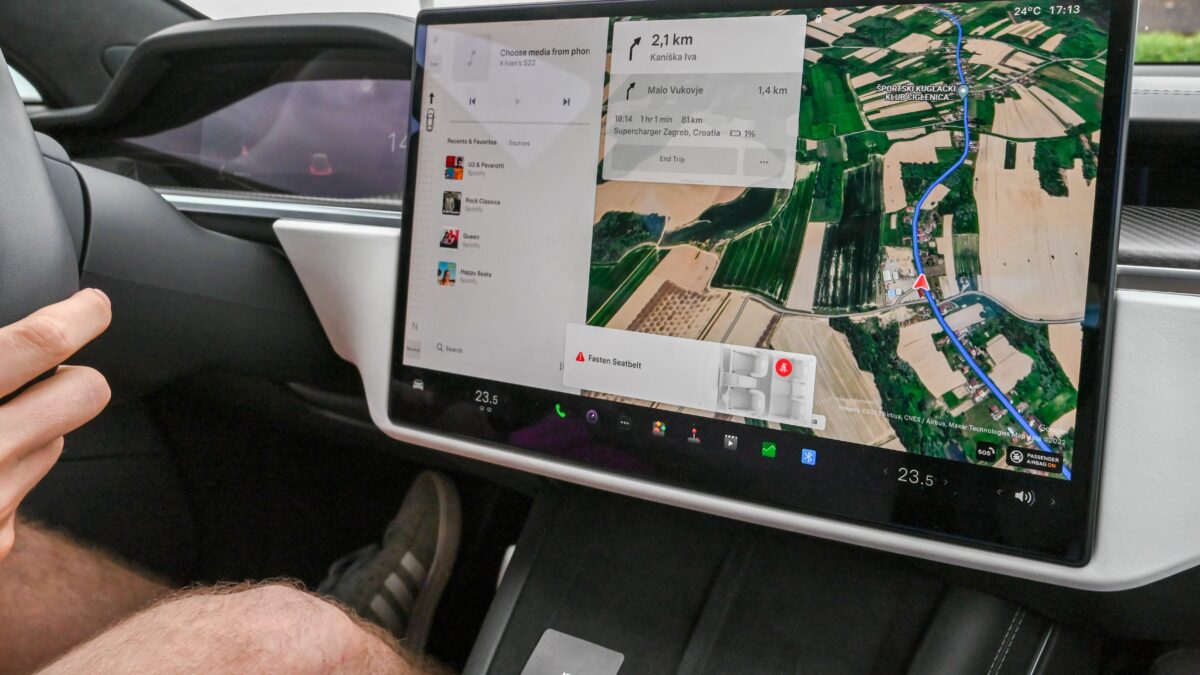
- It can suggest routes based on your daily routine
- It can adapt driving modes based on your style
This level of personalization creates a connection between driver and vehicle that goes beyond functionality.
The Role of Data in Modern Driving
Data is the foundation of AI. Every modern car collects and processes vast amounts of information—from speed and braking patterns to environmental conditions.
This data is used to:
- Improve performance
- Enhance safety
- Predict maintenance needs
Predictive maintenance is one of the biggest advantages. Instead of waiting for something to break, the car can alert you before a problem occurs. This reduces costs and improves reliability.
Autonomous Driving: The Next Step
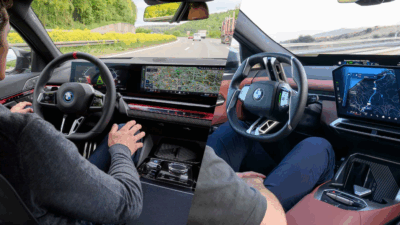
While fully autonomous cars are still evolving, AI is already enabling partial autonomy in most modern vehicles.
Systems such as:
- Adaptive cruise control
- Traffic jam assist
- Self-parking
are becoming more advanced every year.
In the UAE, where smart city initiatives are rapidly expanding, autonomous driving is expected to play a major role in the future of transportation.
AI and Electric Vehicles
The rise of AI is closely linked with the growth of electric vehicles. EVs rely heavily on software to manage battery performance, energy efficiency, and driving dynamics.
AI helps optimize:
- Battery usage
- Charging patterns
- Energy distribution
This ensures maximum efficiency and extends the lifespan of the vehicle.
Brands like Tesla and BYD are leading this integration, combining AI and electric mobility to create the cars of the future.
Challenges and Considerations
Despite its advantages, AI in automotive technology comes with challenges.
These include:
- Data privacy concerns
- System reliability
- High development costs
Manufacturers must ensure that these systems are secure and reliable, especially when safety is involved.
The UAE as a Leader in Smart Mobility
The UAE is one of the leading markets embracing AI-driven mobility. With initiatives focused on smart cities, autonomous transport, and sustainability, the country is setting the standard for future transportation systems.
From Dubai’s autonomous transport strategy to advanced infrastructure, the region is perfectly positioned to adopt and benefit from AI technologies.
The Future of Driving
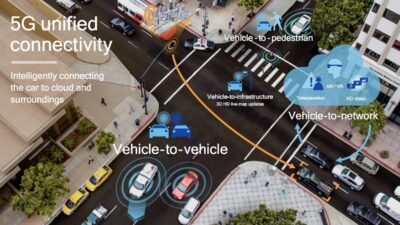
Looking ahead, the role of AI will only expand. Future vehicles will become even more intelligent, capable of making complex decisions and interacting seamlessly with their environment.
Driving will become:
- Safer
- More efficient
- More connected
The relationship between humans and cars will continue to evolve, with AI acting as the bridge.
Explore More
Final Thoughts
The rise of intelligent performance marks a turning point in the automotive industry. AI is no longer an optional feature—it is becoming the core of modern vehicle design.
In 2026, the question is no longer whether AI will transform driving, but how far this transformation will go. For drivers in the UAE and beyond, the future of mobility is not just powerful—it is intelligent.