
F1’s Engine Revolution: V6 Power Set to Make a Stronger Comeback
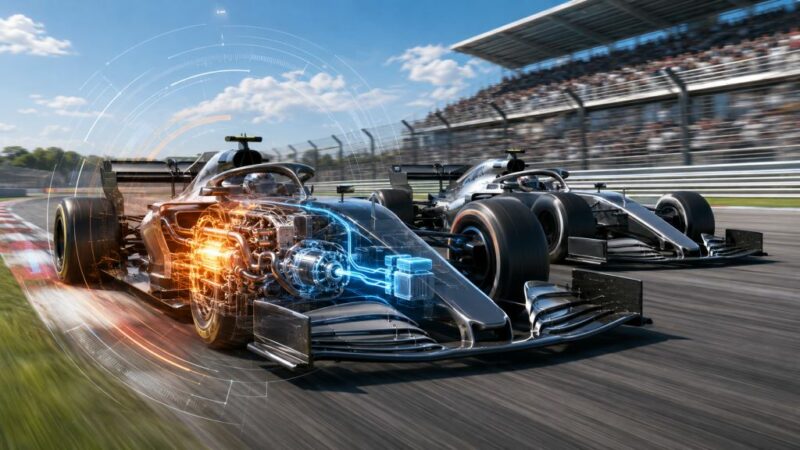
F1 Brings More Power Back to the V6 Era
Formula 1 is preparing for another significant technical shift. The sport has confirmed changes to its future power unit regulations for 2027 and 2028, giving a larger role once again to the traditional V6 combustion engine while reducing reliance on electric power. The decision follows extensive discussions with teams, manufacturers, and drivers who expressed concerns about the balance between combustion and electrical energy in the next generation of Formula 1 cars.
The current regulations already use hybrid power units that combine a turbocharged V6 engine with sophisticated energy recovery systems. These hybrid systems have helped Formula 1 become one of the most technologically advanced motorsport categories in the world. However, many within the paddock argued that the planned future regulations relied too heavily on electric power, potentially affecting racing quality and creating new challenges for teams.
As a result, Formula 1 has chosen to adjust its direction. Under the revised framework, the V6 combustion engine will contribute a larger percentage of total power output. Meanwhile, the electric component of the hybrid system will still remain important but will play a slightly reduced role compared to earlier proposals.
The objective behind these changes is clear: improve racing while maintaining technological relevance. Drivers have frequently highlighted concerns that excessive energy management could force competitors to spend too much time conserving battery power instead of racing aggressively. By restoring greater emphasis to the combustion engine, Formula 1 hopes to create more natural racing conditions and encourage closer wheel-to-wheel battles.
Teams have also welcomed efforts to simplify power management. Modern Formula 1 cars are incredibly complex, with engineers constantly balancing fuel usage, battery deployment, and energy recovery. A more combustion-focused approach could reduce some of these challenges while maintaining the hybrid technology that manufacturers consider essential for road-car development.
The revised regulations are particularly important because Formula 1 is entering a new era of manufacturer involvement. Several major automotive brands are preparing to compete under the upcoming rules, viewing the championship as a platform to showcase advanced engineering and sustainable technologies. The sport must therefore strike a balance between innovation, entertainment, and commercial viability.
Despite the increased role of the V6 engine, sustainability remains a central priority. Future Formula 1 cars will continue using advanced sustainable fuels designed to reduce carbon emissions while delivering the performance expected from the pinnacle of motorsport. This approach allows Formula 1 to retain the emotional appeal of combustion engines while supporting broader environmental objectives.
Fans are likely to appreciate the changes as well. One of the most common criticisms of modern racing has been the growing importance of energy conservation. Many supporters prefer to see drivers pushing at maximum pace rather than constantly managing battery levels. The revised regulations aim to address these concerns by making racing more aggressive and strategically straightforward.
Manufacturers also benefit from retaining a strong combustion component. Many road-car companies continue investing in efficient internal combustion technology alongside electrification. Formula 1 provides an ideal environment for developing and testing these innovations under extreme conditions.
The changes could ultimately deliver a better spectacle for audiences worldwide. Faster acceleration, more consistent performance, and reduced battery-saving requirements may lead to more overtaking opportunities and more exciting races.
As Formula 1 looks toward 2027 and beyond, the sport is attempting to preserve its technological leadership while ensuring the racing remains thrilling. The return of a stronger V6 presence represents a compromise between tradition and innovation—one that could shape the future of Formula 1 for years to come.
Explore More Rahttps://carbookmagazine.com/category/feature/
