Audi Pushes Digitalization Far Beyond the Vehicle
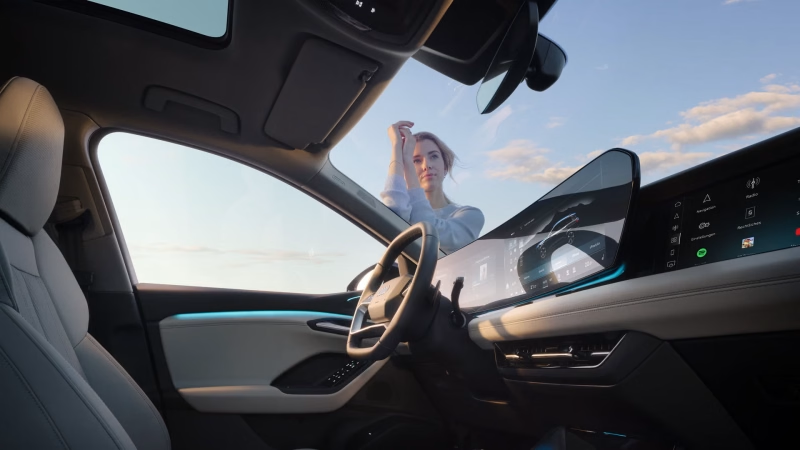
Audi is taking digitalization beyond the traditional idea of the car. For the brand, the future of mobility is no longer only about engines, design, or performance. It is also about intelligent systems, connected experiences, and technology that continues to improve even after the vehicle has left the showroom.
The modern customer expects more from a premium car than comfort and power. Today’s driver wants a vehicle that feels smart, responsive, and connected to daily life. Audi’s digital direction reflects this shift. From the cockpit to customer services, and from production to software updates, digitalization is becoming a central part of how the brand builds and supports its cars.
Inside the vehicle, this transformation is especially visible. Large digital displays, connected interfaces, smart functions, and intuitive controls are changing the way drivers interact with their cars. The vehicle is becoming less like a fixed machine and more like a digital platform. This allows Audi to offer services and features that can develop over time, creating a more personal and flexible ownership experience.
One of the most important parts of this evolution is over-the-air technology. Through over-the-air updates, a vehicle can receive improvements without needing a traditional workshop visit. This can include software upgrades, system refinements, navigation updates, and new digital functions. For drivers, this means the car can stay up to date more easily. For Audi, it creates a stronger connection with customers throughout the life of the vehicle.
This approach also changes the meaning of luxury in the automotive world. Luxury is no longer only measured by leather seats, smooth driving, or elegant design. It is increasingly defined by convenience, intelligence, and personalization. A premium car must now understand the driver’s needs, simplify daily journeys, and offer a digital environment that feels natural and useful.
Audi’s focus on digitalization also extends beyond the product itself. The company is looking at how digital tools can improve business processes, production, and the wider customer journey. This shows that digital transformation is not just a marketing feature; it is becoming part of the brand’s entire structure. From how cars are developed to how services are delivered, technology is shaping the future of the company.
For the automotive industry, this is a major shift. As electric mobility, connected services, and automated driving continue to grow, carmakers must think beyond the vehicle as a physical object. The car of the future will be part of a larger digital ecosystem, connected to devices, infrastructure, services, and user preferences.
Audi’s strategy points clearly in that direction. By combining premium design with intelligent digital systems, the brand is preparing for a future where mobility is smarter, more connected, and more adaptable. The vehicle is no longer the end point of innovation; it is the beginning of a continuous digital relationship between the driver and the brand.