How Connected Vehicles Are Reshaping America
From USD 32 Billion to USD 180 Billion: How Connected Vehicles Are Transforming the American Automotive Industry
The automotive industry is undergoing one of the most significant transformations since the invention of the automobile itself. While electric vehicles often dominate headlines, another revolution is quietly reshaping the future of mobility: connected vehicles.
Industry analysts project that the global connected vehicle market could grow from approximately USD 32 billion to more than USD 180 billion over the coming years. This remarkable expansion reflects a fundamental shift in how vehicles are designed, operated, maintained, and experienced by consumers. At the center of this transformation is the United States, where automakers, technology companies, telecommunications providers, and government agencies are investing billions of dollars to create a smarter and more connected transportation ecosystem.
Connected vehicles are no longer a futuristic concept. They are already on American roads, collecting data, communicating with cloud platforms, receiving software updates, and providing drivers with services that were unimaginable just a decade ago.
What Is a Connected Vehicle?
A connected vehicle uses internet connectivity and advanced communication technologies to exchange data with other vehicles, infrastructure, cloud systems, and mobile devices.
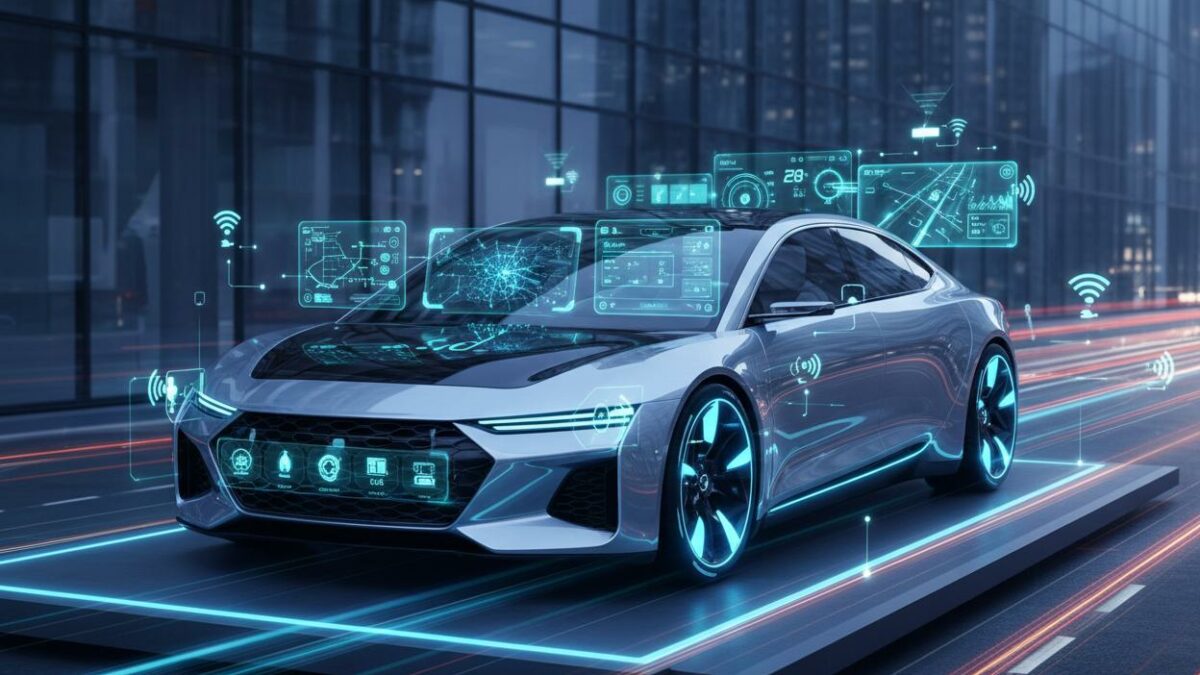
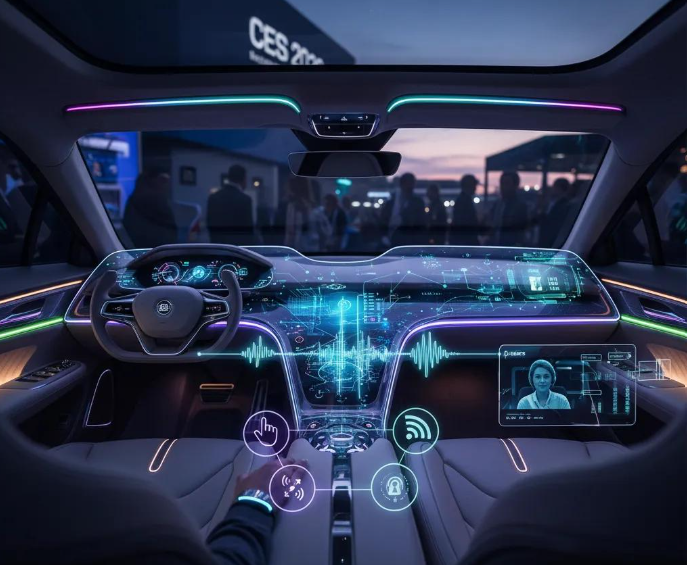
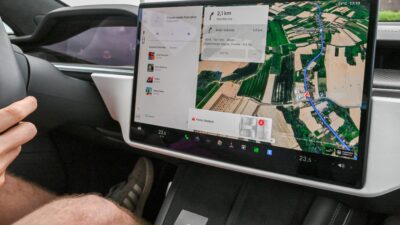
Unlike traditional cars, connected vehicles continuously send and receive information in real time. This allows them to provide a wide range of services including navigation updates, remote diagnostics, predictive maintenance, emergency assistance, infotainment, vehicle tracking, and advanced driver-assistance features.
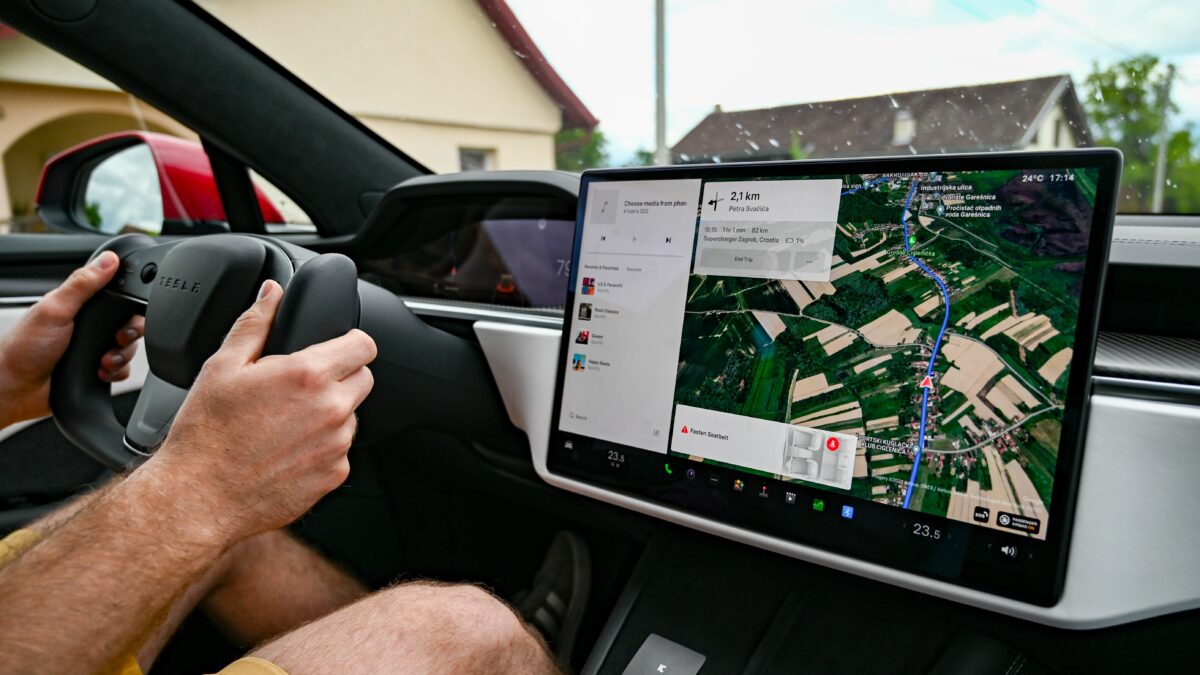
Modern connected vehicles are essentially computers on wheels. A premium vehicle today can generate gigabytes of data every hour, creating opportunities for manufacturers and service providers to deliver personalized experiences and improve vehicle performance throughout its lifecycle.
For consumers, this means greater convenience. Drivers can remotely start their vehicles, check fuel levels, monitor battery status, locate parked vehicles, schedule maintenance appointments, and even receive warnings about potential mechanical issues before they become serious problems.
America’s Leadership in Connected Mobility
The United States has emerged as one of the world’s most influential markets for connected vehicle development.
Several factors contribute to this leadership position. The country possesses a strong technology ecosystem, advanced telecommunications infrastructure, substantial research and development investment, and a consumer base that rapidly adopts new technologies.
Major automotive manufacturers such as Ford Motor Company, General Motors, and Tesla are integrating sophisticated connectivity features across their vehicle lineups.
Technology companies are also playing a crucial role. Cloud computing platforms, artificial intelligence systems, cybersecurity solutions, and advanced data analytics are becoming essential components of modern vehicle architecture.
American consumers increasingly expect their vehicles to function like smartphones, delivering seamless connectivity, regular software improvements, and personalized digital experiences. This demand is accelerating innovation throughout the automotive sector.
The Rise of Software-Defined Vehicles
One of the most important developments in the connected vehicle revolution is the emergence of software-defined vehicles.
Traditionally, vehicle functionality was determined largely by hardware components installed during manufacturing. Today, software plays a much greater role in defining how a vehicle performs and evolves over time.
Manufacturers can now deploy over-the-air updates that improve vehicle systems without requiring a visit to a dealership. These updates can enhance performance, introduce new features, optimize battery management, improve navigation systems, and strengthen cybersecurity protections.
This approach has fundamentally changed the relationship between automakers and customers. Vehicles are no longer static products; they are continuously evolving platforms that can improve long after purchase.
The success of this model has encouraged manufacturers across the industry to accelerate software development initiatives and invest heavily in digital infrastructure.
Connectivity and the Electric Vehicle Boom
Connected vehicle technology and electric vehicles are becoming increasingly interconnected.
Electric vehicles rely heavily on software and connectivity to manage battery performance, optimize charging schedules, monitor energy consumption, and provide drivers with real-time information about range and charging station availability.
The American EV market has embraced connected technologies as a core component of the ownership experience. Drivers can use mobile applications to monitor charging sessions, pre-condition cabin temperatures, locate charging stations, and receive energy efficiency recommendations.
As EV adoption continues to grow across the United States, connected services are expected to become even more sophisticated, helping consumers maximize convenience while supporting broader sustainability goals.
The Business Opportunity Behind Connectivity
For automakers, connected vehicles represent more than a technological advancement—they represent a significant business opportunity.
Historically, revenue was generated primarily through vehicle sales and maintenance services. Connected vehicles introduce entirely new revenue streams through subscription-based services and digital offerings.
Examples include:
- Advanced navigation packages.
- Premium entertainment services.
- Enhanced driver-assistance capabilities.
- Vehicle monitoring subscriptions.
- Fleet management solutions.
- Insurance partnerships.
- Predictive maintenance services.
This shift is transforming automotive companies into technology-driven service providers.
Industry experts estimate that software and digital services could contribute a growing share of automotive profits in the coming decade, making connectivity a strategic priority for manufacturers worldwide.
Fleet Management and Commercial Applications
Connected vehicle technology is also reshaping commercial transportation.
Fleet operators across America are increasingly adopting telematics systems that provide real-time visibility into vehicle performance, driver behavior, fuel consumption, maintenance requirements, and route efficiency.
These systems help businesses reduce operating costs, improve safety, minimize downtime, and optimize logistics operations.
Connected fleet technologies have become particularly valuable for delivery companies, logistics providers, construction firms, and public transportation agencies.
As e-commerce continues to expand and supply chains become increasingly complex, demand for connected fleet solutions is expected to grow substantially.
Vehicle-to-Everything Communication
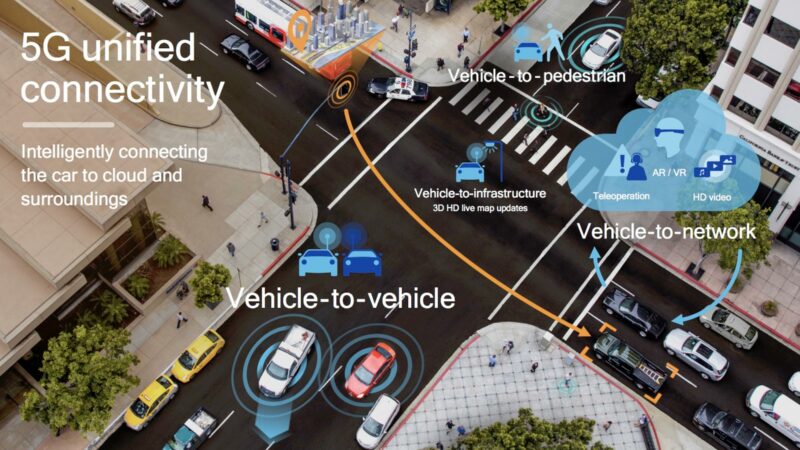
One of the most exciting aspects of connected mobility is Vehicle-to-Everything (V2X) communication.
V2X technology enables vehicles to communicate with surrounding infrastructure, pedestrians, traffic management systems, and other vehicles.
Potential applications include:
- Collision avoidance warnings.
- Traffic congestion management.
- Emergency vehicle prioritization.
- Pedestrian safety alerts.
- Smart traffic signal coordination.
- Hazard notifications.
In the future, V2X systems could significantly reduce accidents and improve traffic efficiency throughout American cities.
Pilot projects and smart city initiatives across the United States are already exploring how these technologies can create safer and more efficient transportation networks.
Artificial Intelligence and Data Analytics
Connected vehicles generate enormous amounts of data, creating opportunities for artificial intelligence and advanced analytics.
AI systems can process information from sensors, cameras, GPS systems, and vehicle components to identify patterns and support intelligent decision-making.
Applications include:
- Predictive maintenance.
- Driver behavior analysis.
- Route optimization.
- Energy management.
- Traffic forecasting.
- Autonomous driving development.
Manufacturers are increasingly leveraging AI to improve customer experiences and enhance vehicle performance.
The combination of connectivity and artificial intelligence is expected to become one of the defining characteristics of next-generation mobility solutions.
Cybersecurity: A Growing Challenge
As vehicles become more connected, cybersecurity becomes increasingly important.
Modern vehicles contain dozens of electronic control units and multiple communication interfaces. While connectivity offers numerous benefits, it also creates potential vulnerabilities.
Automakers are investing heavily in cybersecurity measures to protect vehicles from unauthorized access and cyber threats.
Key priorities include:
- Secure software updates.
- Data encryption.
- Intrusion detection systems.
- Network monitoring.
- Authentication protocols.
Regulators, manufacturers, and technology providers are working together to establish industry standards that ensure connected vehicles remain secure and reliable.
Consumer trust will be essential for the continued growth of connected mobility technologies.
Data Privacy and Consumer Trust
Connected vehicles collect significant amounts of information about driving habits, locations, vehicle usage, and system performance.
As a result, privacy has become a major topic within the automotive industry.
Consumers want transparency regarding how their data is collected, stored, shared, and used. Automakers must balance innovation with responsible data management practices.
Strong privacy policies and robust data governance frameworks will play a critical role in maintaining public confidence and supporting long-term industry growth.
The Road Toward Autonomous Mobility
Connected vehicle technology is also laying the foundation for autonomous driving.
Self-driving systems depend on connectivity, sensor fusion, cloud computing, high-definition mapping, and real-time data processing.
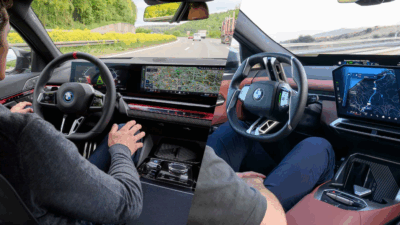
While fully autonomous vehicles are still under development, connected technologies are already enabling advanced driver-assistance features such as adaptive cruise control, lane-keeping assistance, automated parking, and collision avoidance systems.
These capabilities are expected to become increasingly sophisticated as connectivity infrastructure continues to improve.
The evolution from connected vehicles to autonomous mobility represents one of the most significant opportunities in transportation history.
Looking Ahead
The connected vehicle revolution is transforming the American automotive industry at an unprecedented pace.
What began as simple navigation and infotainment systems has evolved into a comprehensive digital ecosystem that connects vehicles, drivers, infrastructure, and cloud platforms.
As the market grows from USD 32 billion toward a projected USD 180 billion, connectivity will influence nearly every aspect of mobility—from safety and convenience to sustainability and business innovation.
For consumers, connected vehicles promise smarter, safer, and more personalized driving experiences. For manufacturers, they create powerful new revenue opportunities and competitive advantages. For cities and governments, they offer pathways toward safer roads, more efficient transportation networks, and enhanced mobility services.
The future of transportation is no longer defined solely by horsepower or engine performance. Increasingly, it is defined by data, connectivity, software, and intelligence. As America continues to lead this transformation, connected vehicles are set to become one of the most influential technologies shaping the next generation of mobility.