Toyota Accelerates Solid-State Battery Development
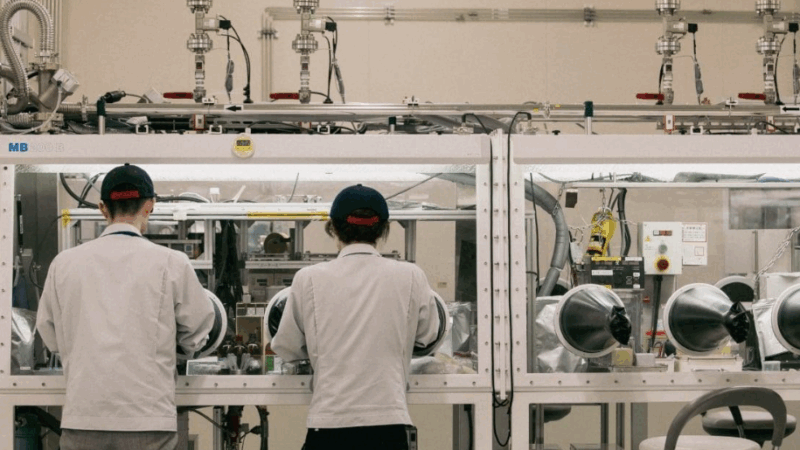
Toyota says its next-generation solid-state battery technology could transform electric vehicles by delivering longer range, faster charging, and improved efficiency.
Toyota has taken another important step in the race toward next-generation electric vehicle technology, continuing the development of its highly anticipated solid-state batteries. Widely considered one of the most promising advancements in EV engineering, solid-state batteries have the potential to significantly improve driving range, charging times, and overall vehicle performance.
As automakers around the world compete to expand their electric vehicle offerings, battery technology remains one of the industry’s biggest priorities. Current lithium-ion batteries have helped drive the EV revolution, but manufacturers are seeking solutions that offer greater energy density, enhanced safety, and shorter charging times. Toyota believes solid-state technology could provide the breakthrough the market has been waiting for.
Unlike conventional lithium-ion batteries that use liquid electrolytes, solid-state batteries utilize a solid electrolyte. This design offers several advantages, including improved thermal stability and the ability to store more energy within a smaller package. The result could be electric vehicles capable of traveling significantly farther on a single charge while maintaining similar battery sizes and weights.
One of the most exciting aspects of the technology is charging speed. Industry experts believe solid-state batteries could dramatically reduce charging times, making electric vehicles even more convenient for everyday use. Faster charging would help address one of the most common concerns among potential EV buyers and could further accelerate the global shift toward electrification.
Toyota has invested heavily in battery research and development for many years. While the company built its reputation through hybrid technology, it is now expanding its focus to include a broader range of electrified solutions. The development of solid-state batteries forms a key part of Toyota’s long-term strategy for achieving carbon neutrality while continuing to offer customers practical and reliable mobility options.
The technology could also improve vehicle efficiency and performance. Higher energy density allows manufacturers to reduce battery weight while maintaining range, potentially improving handling characteristics and overall driving dynamics. For consumers, this means future electric vehicles could be lighter, more responsive, and capable of traveling longer distances between charges.
Despite the promise of solid-state batteries, challenges remain. Large-scale production is still being refined, and manufacturers must ensure durability, affordability, and reliability before widespread commercialization becomes possible. However, Toyota remains confident that ongoing research and testing will help overcome these obstacles in the coming years.
The significance of solid-state technology extends beyond passenger vehicles. Future applications could include commercial transportation, performance vehicles, and various mobility solutions where energy efficiency and rapid charging are critical. As development continues, the technology may play a major role in shaping the next generation of transportation worldwide.
For the automotive industry, the race to commercialize solid-state batteries represents one of the most important technological battles of the decade. Companies that successfully bring the technology to market could gain a significant competitive advantage in the rapidly evolving EV sector.
As Toyota advances its research efforts, the company is reinforcing its position as a leader in automotive innovation. If solid-state batteries deliver on their promise, they could help redefine what consumers expect from electric vehicles and accelerate the industry’s transition toward a more sustainable future.