How Artificial Intelligence Is Transforming the Driving Experience
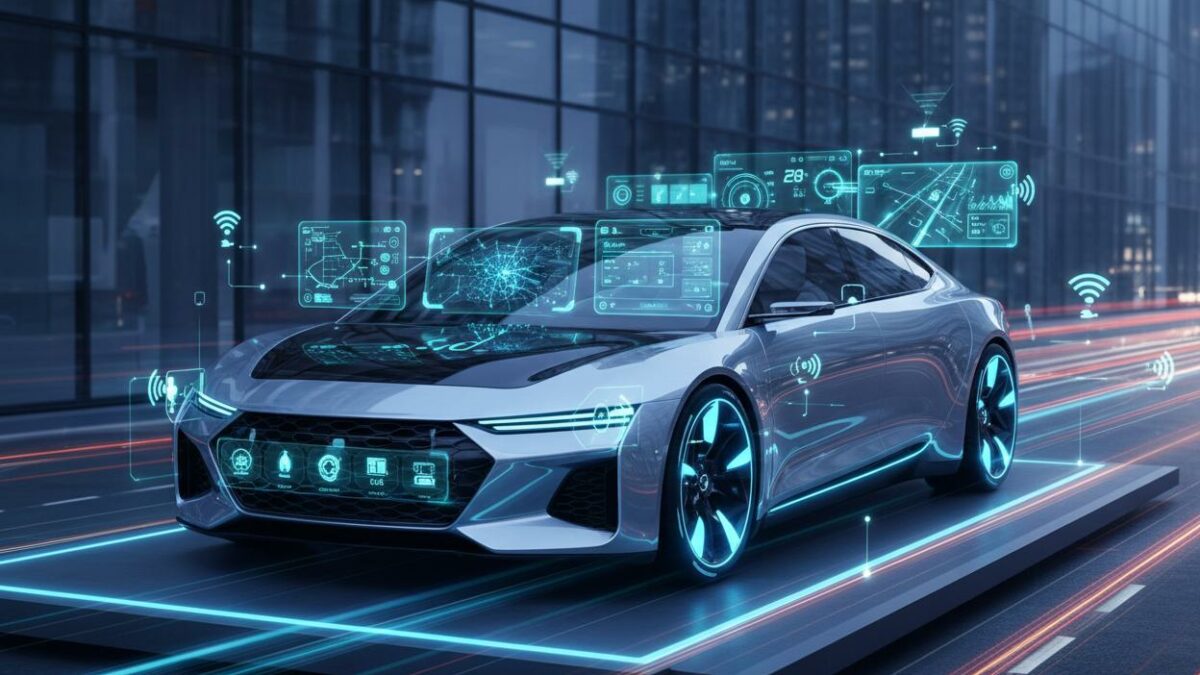
Artificial Intelligence (AI) is rapidly changing the automotive industry, making vehicles smarter, safer, and more intuitive than ever before. Once limited to luxury flagship models, AI-powered technologies are now becoming increasingly common across a wide range of vehicles.
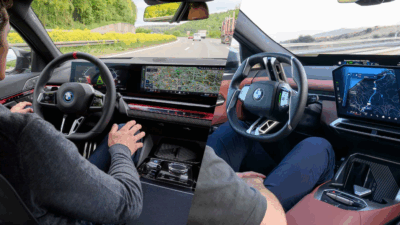
Modern cars use AI to analyze driving patterns, monitor road conditions, and assist drivers in real time. Advanced Driver Assistance Systems (ADAS) can detect potential hazards, automatically apply brakes, maintain lane position, and even adapt vehicle speed based on surrounding traffic.
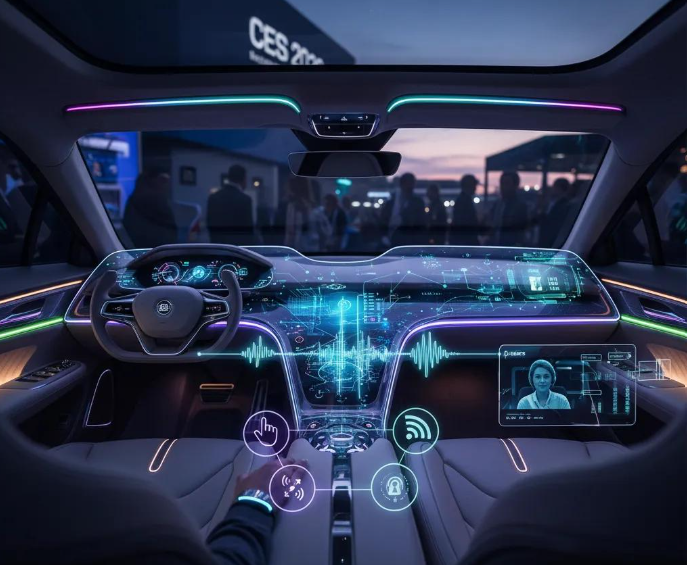
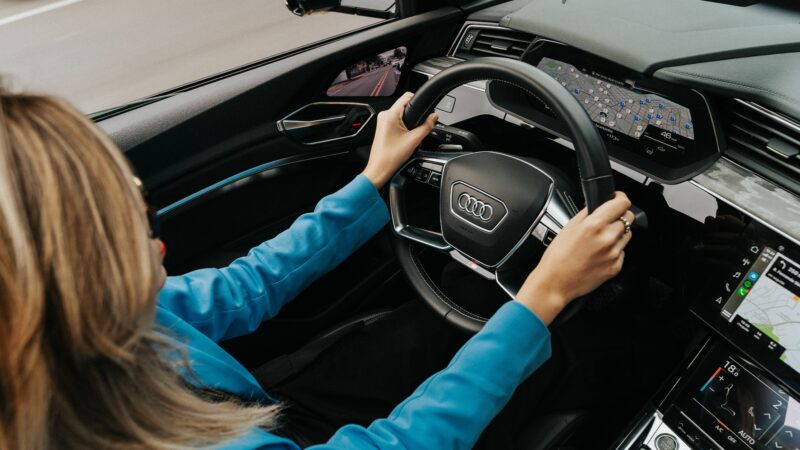
Voice assistants have also evolved significantly. Drivers can now control navigation, climate settings, entertainment, and communication systems using natural voice commands. AI algorithms continue learning driver preferences, creating a more personalized experience over time.
Predictive maintenance is another major advancement. Sensors throughout the vehicle collect data on engine performance, battery condition, tire pressure, and braking systems. AI analyzes this information to identify potential issues before they become costly repairs.
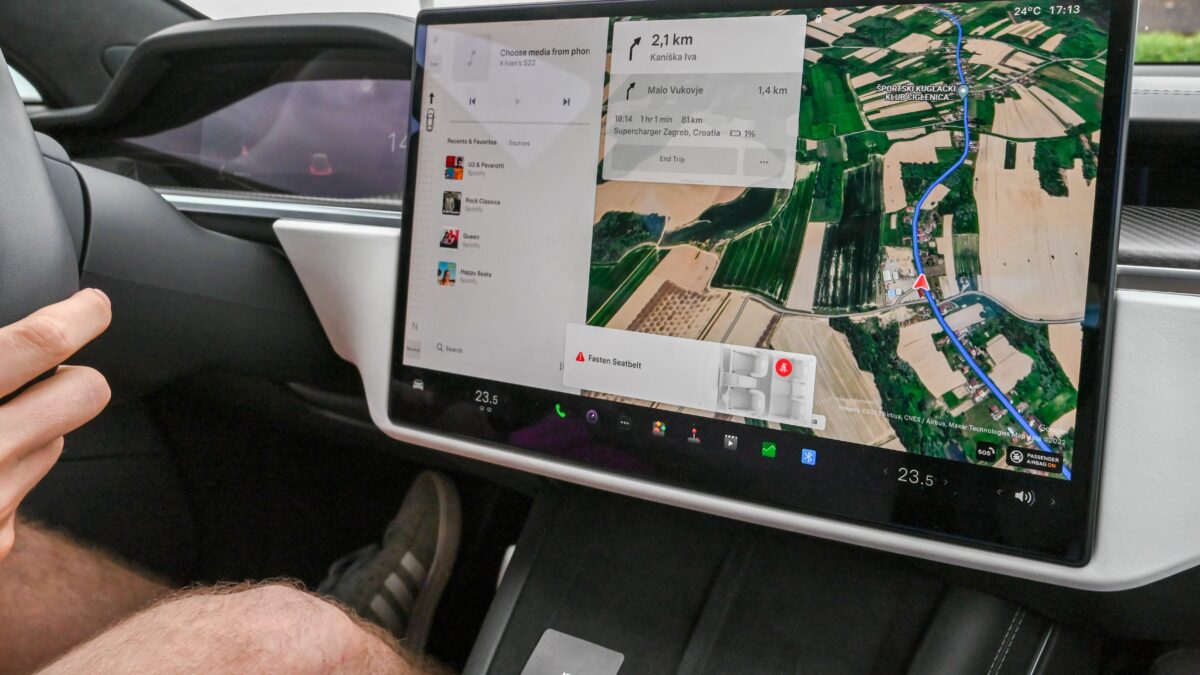
Electric vehicles particularly benefit from AI-powered energy management. Smart systems optimize battery usage, calculate driving range more accurately, and suggest charging locations along a route. These features help reduce range anxiety while improving efficiency.
Manufacturers are also using AI in vehicle development. Advanced simulations help engineers improve safety, aerodynamics, and performance while reducing development costs and production time.
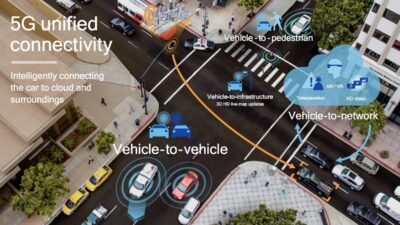
As automotive technology continues to evolve, AI is expected to play an even greater role in autonomous driving, vehicle connectivity, and predictive safety systems. The result will be vehicles that are not only more efficient but also significantly safer and more convenient for everyday drivers.