How Extreme Summer Heat Affects Your Car Battery
Expert Tips to Protect Your Battery During the UAE’s Hottest Months
Summer in the UAE is known for its soaring temperatures, with daytime highs often exceeding 45°C. While drivers usually focus on protecting their engine or air conditioning system, one of the most vulnerable components of any vehicle is the battery. Extreme heat can significantly reduce battery life, affect performance, and increase the risk of unexpected breakdowns, especially during long commutes or weekend road trips.
Unlike cold climates, where batteries struggle to generate enough power, hot weather speeds up the chemical reactions inside the battery. Although this may seem beneficial, excessive heat actually causes the battery fluid to evaporate more quickly, leading to internal damage. Over time, this accelerates wear on the battery’s internal plates and reduces its overall lifespan.
Many motorists mistakenly believe that a battery fails only because of age. In reality, prolonged exposure to high temperatures is one of the leading causes of premature battery failure across the Gulf region. A battery that performs perfectly during the cooler months may suddenly lose its ability to hold a charge after weeks of intense summer heat.
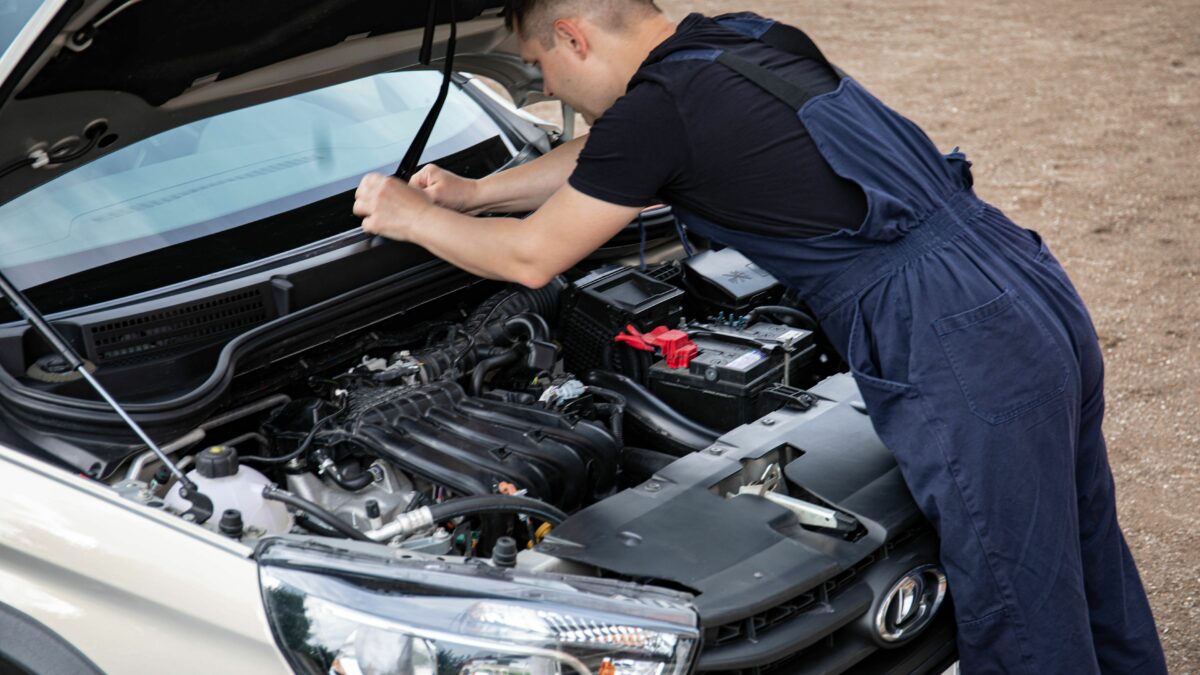
Parking habits also play a major role. Vehicles left outdoors under direct sunlight experience much higher engine bay temperatures than those parked in shaded or covered areas. Even after the engine has been switched off, heat continues to build under the bonnet, placing additional stress on the battery and surrounding electrical components.
Modern vehicles place greater demands on their batteries than ever before. Large infotainment screens, digital instrument clusters, wireless charging pads, advanced driver assistance systems, powered seats, climate control systems, and multiple electronic accessories all require a stable power supply. During the summer, these systems often work harder, increasing the load on the battery every time the vehicle is driven.
Fortunately, there are several simple ways to extend battery life during the hottest months. Parking in covered areas whenever possible helps reduce heat exposure and protects not only the battery but also the vehicle’s interior and paintwork. If covered parking is unavailable, using a quality windshield sunshade can help lower cabin temperatures, reducing the overall heat absorbed by the vehicle.
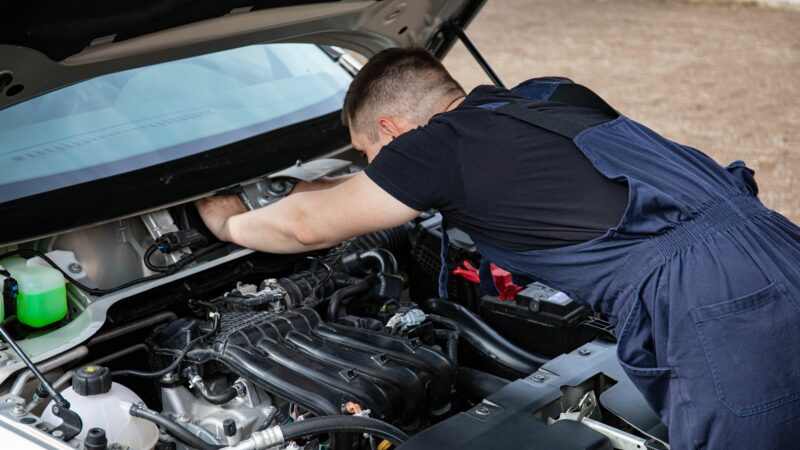
Regular battery inspections are equally important. Most service centres can perform a quick battery health check to measure voltage, charging capacity, and overall condition. Detecting signs of weakness early can prevent inconvenient breakdowns and avoid being stranded during the height of summer.
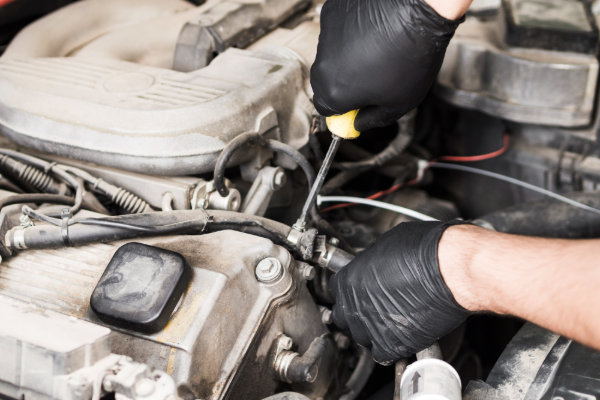
Drivers should also inspect battery terminals for corrosion or loose connections. Corrosion restricts the flow of electricity, making it harder for the battery to supply power to the starter motor and vehicle electronics. Keeping the terminals clean ensures reliable performance throughout the year.
Limiting unnecessary electrical usage while the engine is switched off can also help preserve battery health. Leaving interior lights on, charging multiple devices, or operating the audio system without the engine running places additional strain on the battery, particularly if it is already weakened by heat.
Most automotive experts recommend replacing a battery before it reaches the end of its expected lifespan, especially in regions with extreme climates. In the UAE, many batteries last between two and three years due to constant exposure to high temperatures, even if they might last considerably longer in cooler countries.
A healthy battery is essential for reliable everyday driving. By combining regular inspections, smart parking habits, and timely replacement, drivers can minimise the risk of unexpected failures and keep their vehicles performing at their best throughout the demanding UAE summer. Preventive maintenance today can save both time and costly repairs tomorrow.