Smarter Cars, Smarter Roads: How AI Is Transforming Every Drive
Artificial intelligence is no longer a futuristic concept reserved for science fiction. In 2026, AI has become one of the most significant forces driving innovation across the automotive industry, transforming everything from vehicle safety and navigation to predictive maintenance and personalised driving experiences.
Modern vehicles are becoming increasingly intelligent, capable of learning driver habits, analysing road conditions, and making split-second decisions that improve both comfort and safety. Rather than simply responding to driver inputs, today’s cars are beginning to anticipate needs before the driver even recognises them.
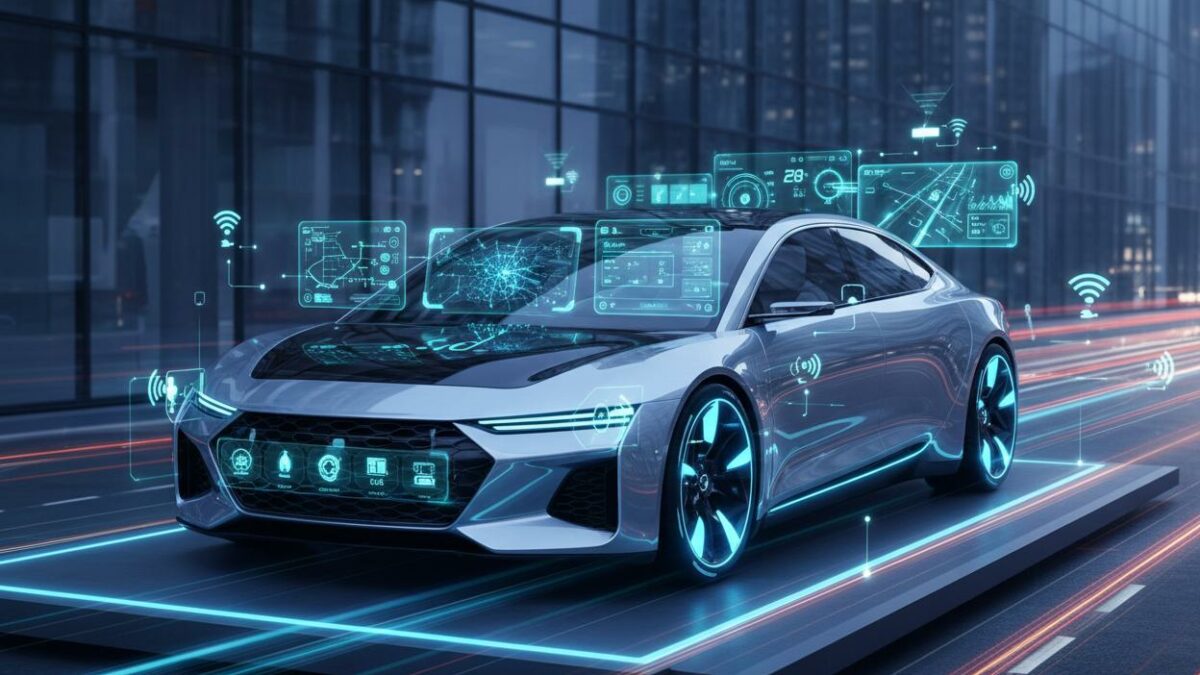
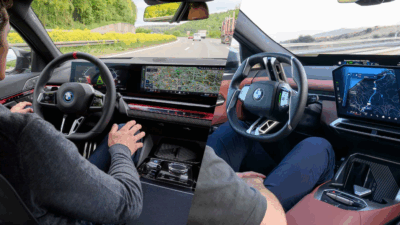
One of the biggest advances has been the evolution of intelligent driver assistance systems. Using a combination of cameras, radar, lidar, and powerful AI processors, vehicles can continuously monitor surrounding traffic, detect pedestrians and cyclists, identify road signs, and respond to unexpected hazards within milliseconds. These systems work together to reduce driver workload while providing an additional layer of protection during everyday journeys.
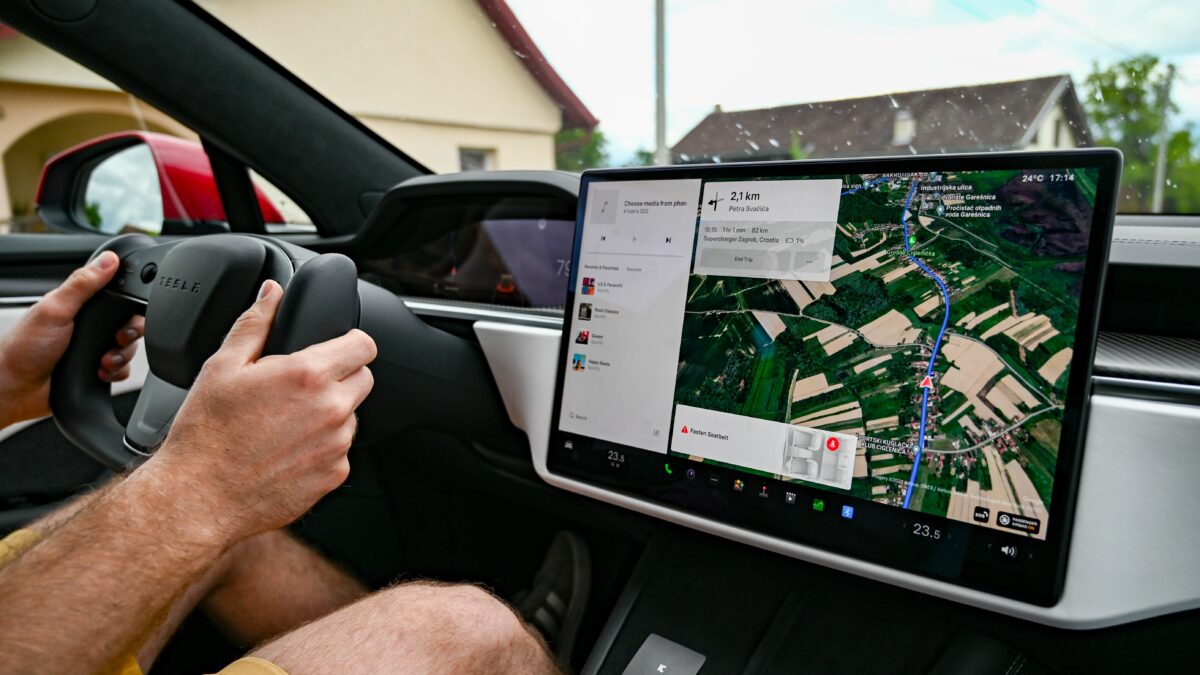
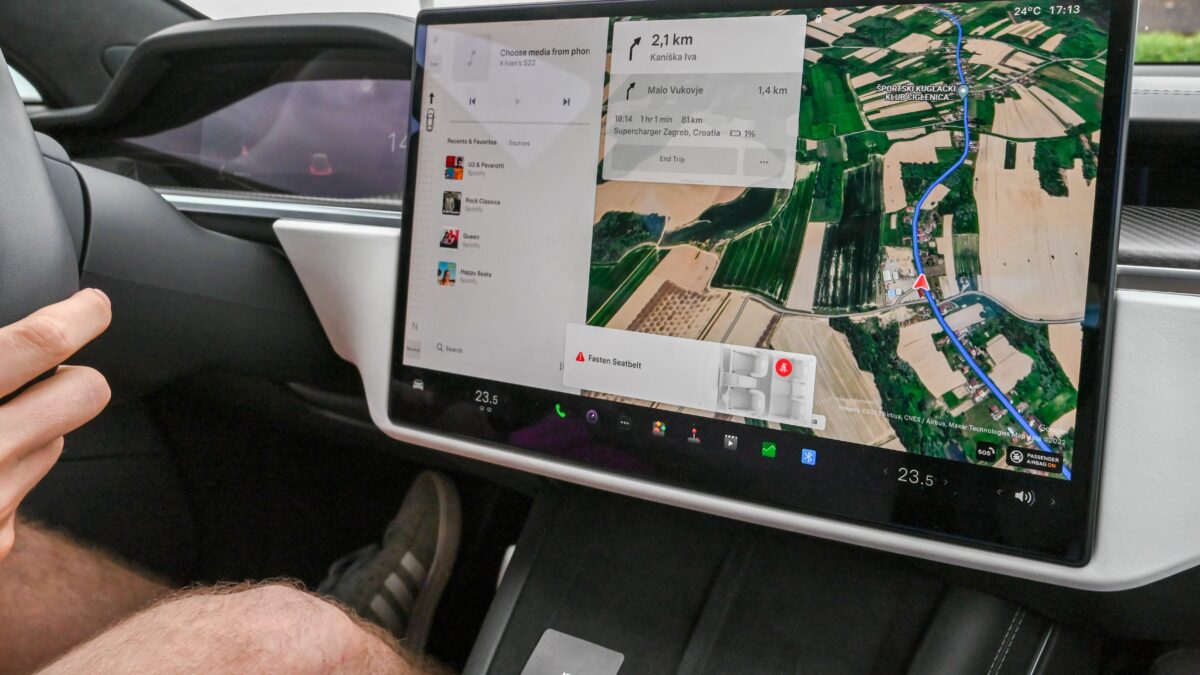
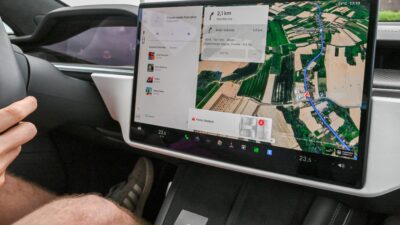
Navigation has also entered a new era. AI-powered route planning now considers far more than traffic congestion. Modern systems analyse weather conditions, road closures, charging station availability for electric vehicles, accident reports, and even the driver’s preferred driving style before recommending the most efficient route. As a result, journeys become smoother, more economical, and significantly less stressful.
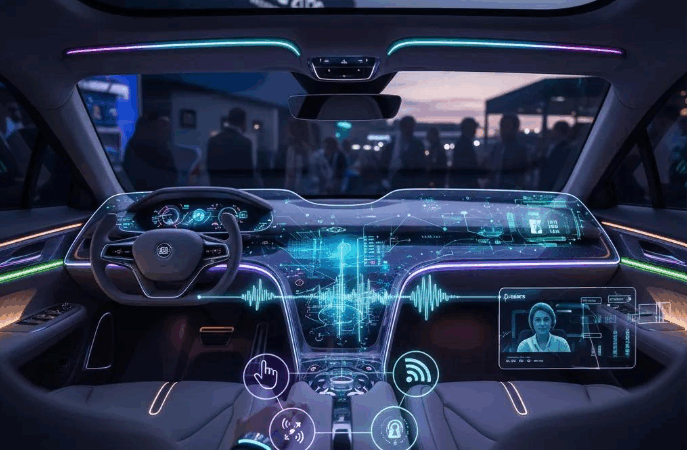
Inside the cabin, artificial intelligence is creating truly personalised experiences. Intelligent digital assistants can recognise individual drivers through facial recognition or smartphone profiles, automatically adjusting seat position, climate control, ambient lighting, mirror settings, and entertainment preferences. Voice assistants have become increasingly conversational, allowing drivers to control navigation, music, messaging, and vehicle settings using natural speech without taking their hands off the wheel.
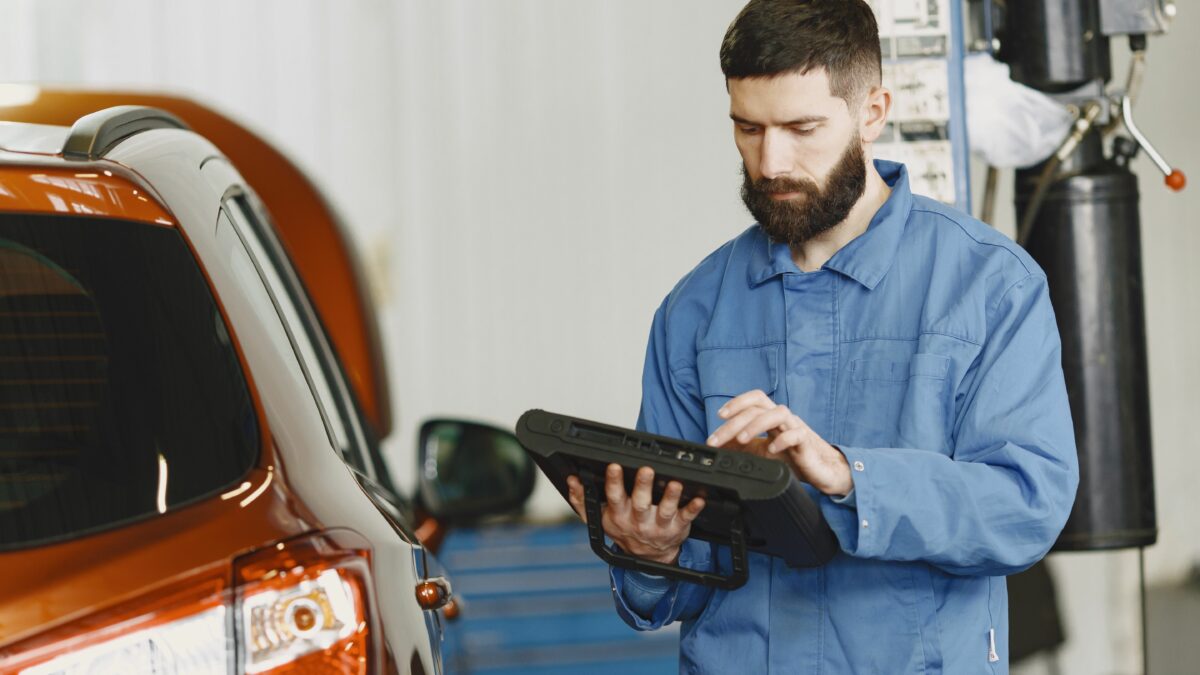
Predictive maintenance is another technology rapidly changing vehicle ownership. Instead of waiting for a warning light to appear, AI continuously monitors thousands of data points from the engine, battery, brakes, suspension, and other critical components. By identifying subtle changes in performance, the system can alert owners to potential issues long before they become expensive repairs, reducing downtime and improving long-term reliability.
Electric vehicles are benefiting enormously from AI as well. Intelligent battery management systems optimise charging speed, regulate battery temperature, estimate remaining range more accurately, and extend battery lifespan by learning individual driving patterns. For EV owners, this means greater confidence during long-distance travel and more efficient energy consumption.
Manufacturers are also using AI beyond the vehicle itself. Smart factories equipped with machine learning systems can detect production defects in real time, optimise assembly lines, reduce material waste, and improve quality control. This results in higher manufacturing standards while supporting more sustainable production processes.
Connectivity is becoming equally important. Many new vehicles receive over-the-air software updates that continuously improve performance, introduce new features, and strengthen cybersecurity without requiring a visit to the dealership. Cars are increasingly evolving throughout their lifetime, much like smartphones, ensuring owners always benefit from the latest technological improvements.
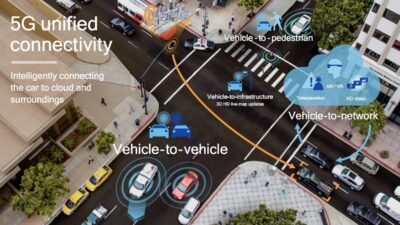
Looking ahead, vehicle-to-vehicle (V2V) and vehicle-to-infrastructure (V2I) communication promise to make roads even safer. Cars will be able to exchange information with nearby vehicles, traffic signals, and smart city infrastructure, warning drivers about hazards beyond their line of sight and helping reduce congestion before it develops.
Artificial intelligence is no longer simply enhancing automobiles—it is redefining what driving means. From safer roads and smarter navigation to personalised cabins and predictive maintenance, AI is making vehicles more intuitive, connected, and efficient than ever before. As technology continues to evolve, tomorrow’s cars will not only transport us from one destination to another—they will become intelligent mobility partners designed to make every journey safer, easier, and more enjoyable.