Why Classic Cars Continue to Capture Hearts Around the World
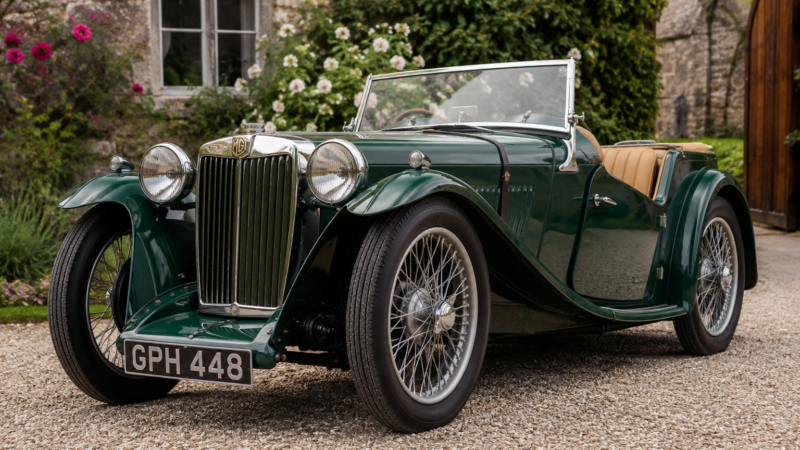
In an era dominated by electric vehicles, autonomous driving technology, and digital dashboards, classic cars continue to hold a unique place in the hearts of automotive enthusiasts. More than just vintage machines, these timeless automobiles represent history, craftsmanship, and a passion that transcends generations.
More Than Just Transportation
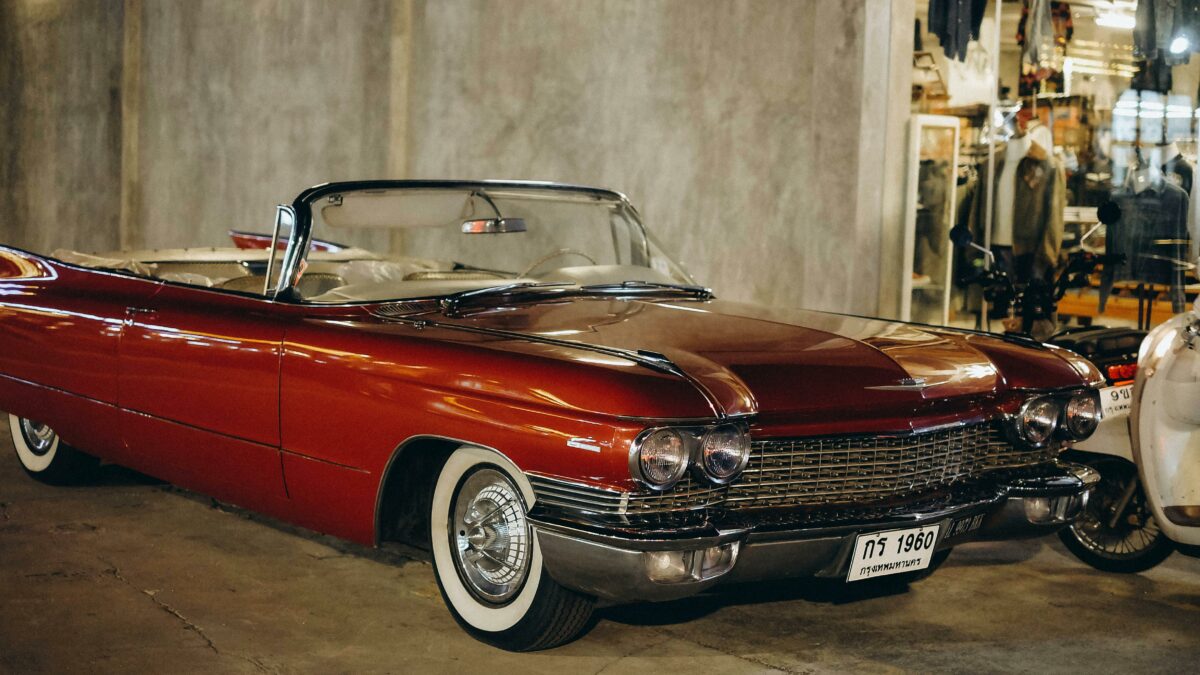
Classic cars tell stories. Every model reflects the engineering, design trends, and culture of its era. Whether it’s the elegant curves of a 1957 Chevrolet Bel Air, the muscular presence of a 1969 Dodge Charger, or the refined sophistication of a Jaguar E-Type, each vehicle represents a milestone in automotive history.
Owning a classic car is often about preserving a piece of that history rather than simply driving from one destination to another.
Built with Character
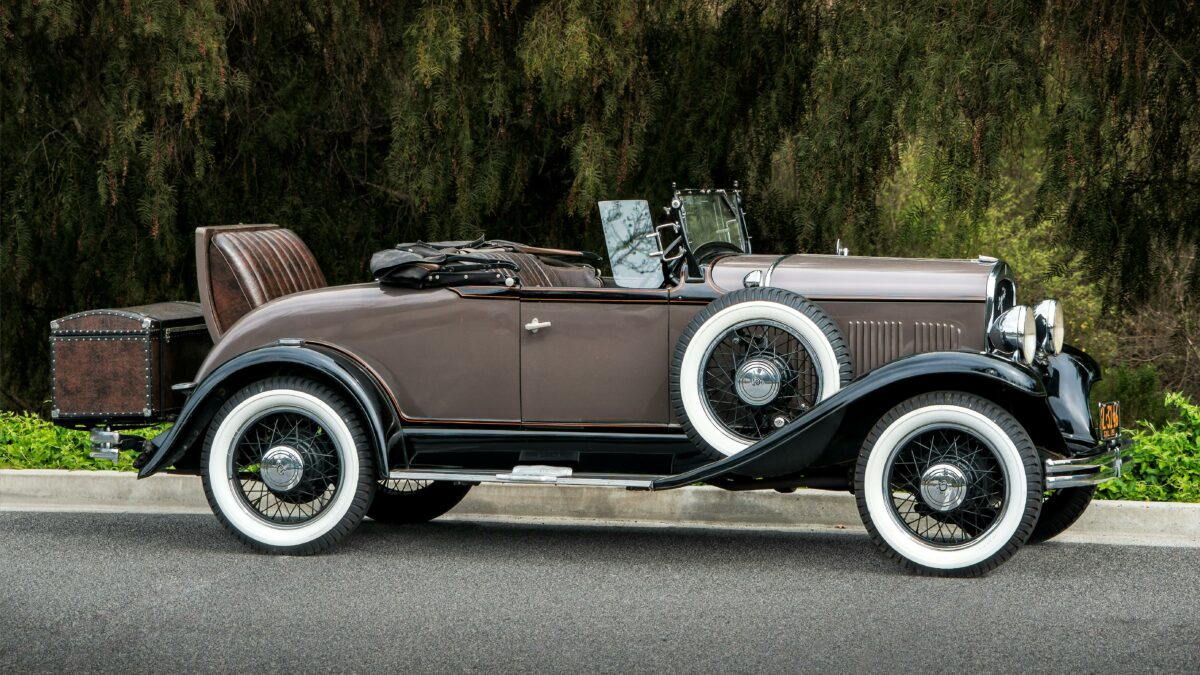
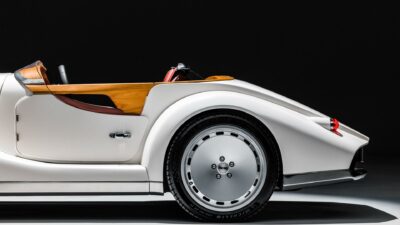
Unlike many modern vehicles that prioritize technology and efficiency, classic cars were designed with personality. Chrome bumpers, handcrafted interiors, distinctive grilles, and naturally aspirated engines gave each model its own identity.
Even today, classic automobiles attract attention wherever they go, reminding people of an era when cars were designed to stand out rather than blend in.
A Rewarding Hobby
Restoring and maintaining a heritage vehicle is both an art and a learning experience. Enthusiasts spend countless hours sourcing original parts, rebuilding engines, restoring interiors, and perfecting paintwork.
The satisfaction comes not only from the finished product but also from the journey of bringing a historic automobile back to life.
Rising Collector Value
Many classic cars have become valuable investments. Limited production numbers, historical significance, and originality often drive prices higher over time.
Models from brands such as Ferrari, Porsche, Mercedes-Benz, Aston Martin, and American muscle car manufacturers continue to attract collectors at prestigious auctions around the world. While not every classic will appreciate dramatically, well-maintained examples with documented histories often retain strong market appeal.
Preserving Automotive Heritage
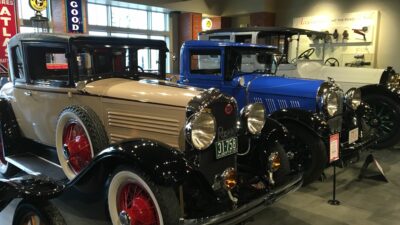
Car museums, restoration workshops, and classic car clubs play an essential role in preserving automotive heritage. Events such as concours d’elegance competitions, vintage rallies, and heritage festivals allow enthusiasts to showcase vehicles that might otherwise disappear from the roads forever.
These gatherings also introduce younger generations to the beauty and innovation of automotive history.
The Joy of Driving
Driving a classic car is an entirely different experience from driving a modern vehicle. There are no driving modes, digital assistants, or touchscreens—just a direct connection between the driver, the steering wheel, the gearbox, and the engine.
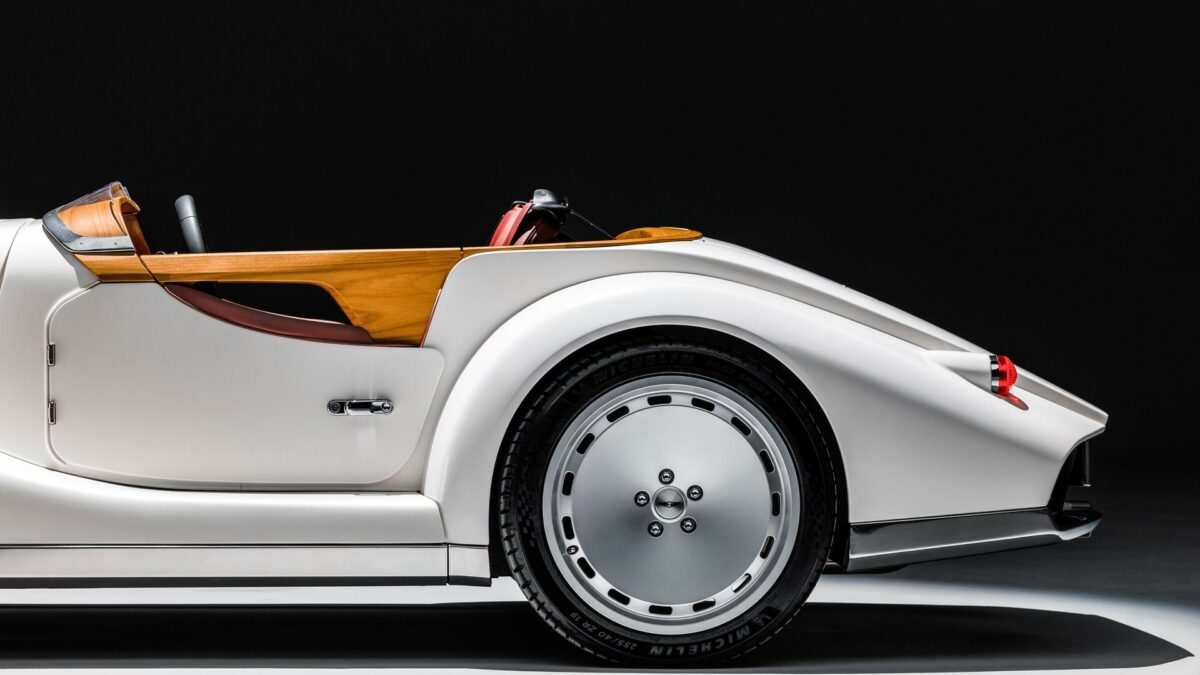
The sound of a carbureted V8, the feel of a manual transmission, and the unmistakable scent of leather and polished wood create an experience that modern technology simply cannot replicate.
A Community Like No Other
Classic car ownership brings people together. Owners regularly participate in club meetings, weekend drives, restoration workshops, and international exhibitions where knowledge and stories are shared just as freely as technical advice.
These communities keep automotive history alive while inspiring new enthusiasts to preserve these remarkable machines.
Final Thoughts
As the automotive industry moves toward electrification and digital mobility, classic cars continue to remind us where the journey began. They celebrate craftsmanship, innovation, and timeless design while connecting generations through a shared passion for motoring.
For enthusiasts, a heritage car is far more than a collectible—it is a living piece of history that deserves to be preserved, admired, and driven for years to come.