Why Electric Vehicles Are Winning More Drivers in 2026
Electric vehicles are no longer seen as a glimpse into the future—they are becoming a practical choice for millions of drivers around the world. In 2026, the EV market continues to evolve rapidly as manufacturers introduce more affordable models, longer driving ranges, and smarter technology that makes ownership easier than ever.
For many buyers, the decision to switch to an electric vehicle is no longer driven solely by environmental concerns. Lower running costs, improved charging infrastructure, and advanced technology are now equally important reasons behind the growing popularity of EVs.
Better Batteries, Better Performance
One of the biggest developments this year is battery technology. Modern electric vehicles can now travel significantly farther on a single charge than previous generations, with many premium models comfortably exceeding 600 kilometres before needing to recharge.
Manufacturers are also improving charging speeds, allowing drivers to recover hundreds of kilometres of range during a short stop. This has helped reduce one of the biggest concerns surrounding electric vehicles—range anxiety.
Battery durability has also improved, giving owners greater confidence that their vehicles will retain strong performance for many years.
More Choice Than Ever
Consumers now have a wider selection of electric vehicles than at any other time. Whether buyers are looking for a compact city car, a family SUV, a luxury sedan or a high-performance sports car, nearly every major manufacturer offers an electric alternative.
Luxury brands continue to push the boundaries with premium interiors, cutting-edge technology and impressive performance, while mainstream manufacturers are focusing on delivering practical, affordable EVs for everyday use.
This increased competition is encouraging innovation and helping to make electric mobility accessible to a broader audience.
Smarter Cars
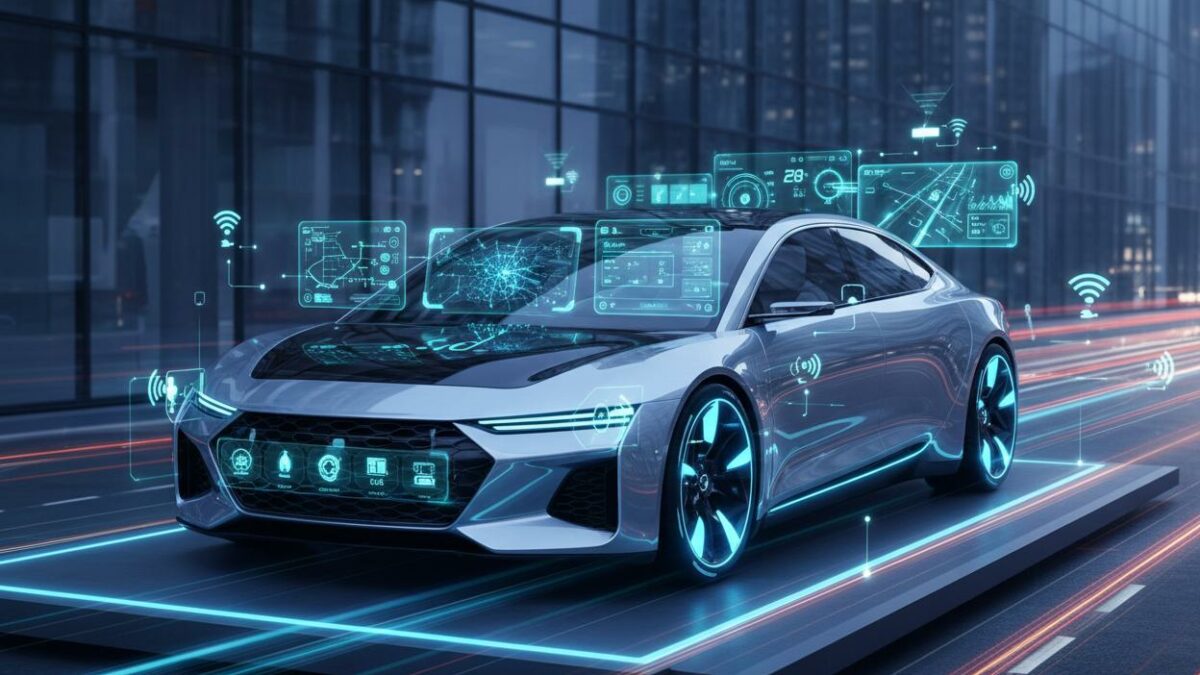
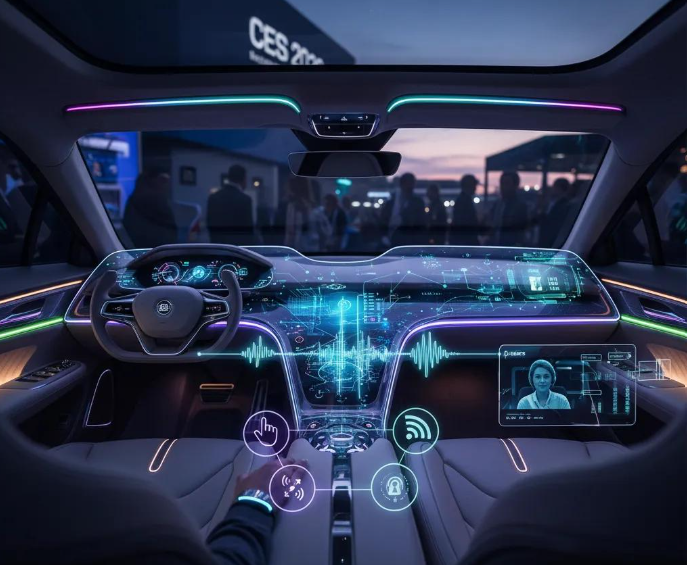
Today’s EVs are not just powered differently—they are becoming increasingly intelligent.
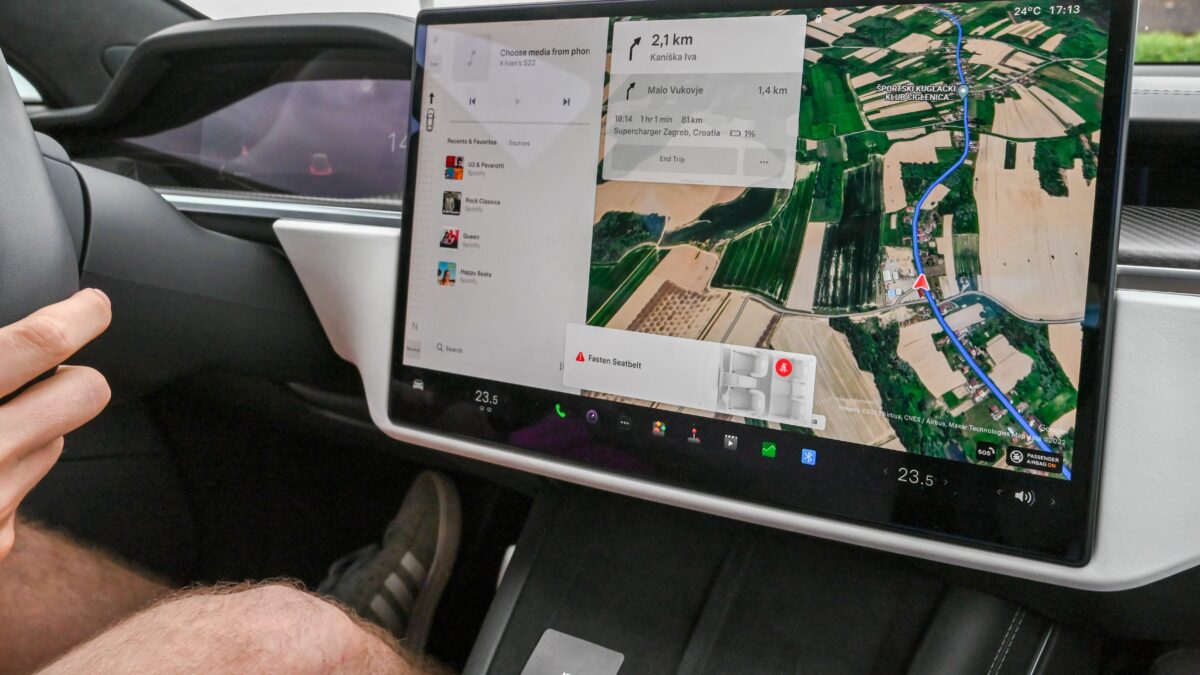
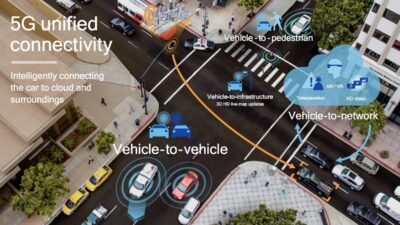
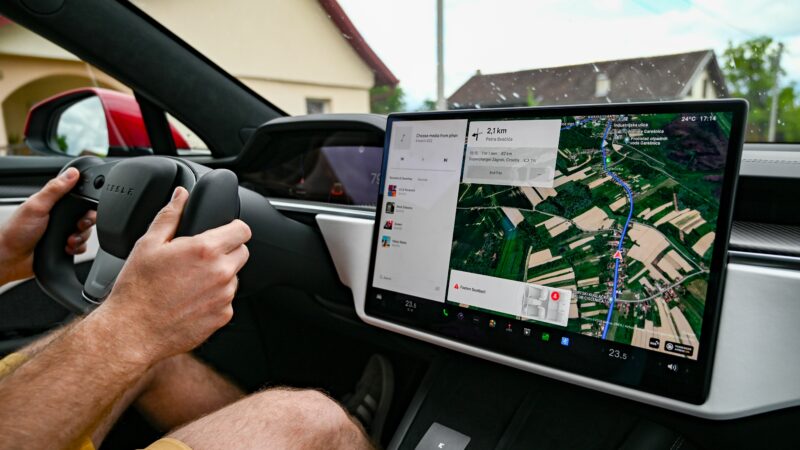
Many new models receive software updates remotely, allowing manufacturers to improve features without requiring a visit to the dealership. Navigation systems can automatically calculate the most efficient routes while identifying available charging stations along the journey.
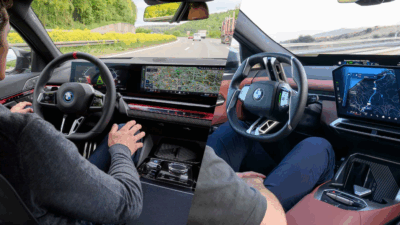
Artificial intelligence is also enhancing the driving experience by learning driver preferences, improving energy efficiency, and supporting advanced safety systems.
The result is a vehicle that continues to improve long after it has been purchased.
Sustainability Remains Important
As governments continue introducing stricter emissions regulations, automakers are investing heavily in cleaner production methods and more sustainable battery materials.
Many manufacturers are expanding battery recycling programmes and increasing the use of renewable energy within their production facilities. These initiatives are helping reduce the environmental impact of both manufacturing and vehicle ownership.
While challenges remain, particularly regarding raw material sourcing and charging infrastructure in some regions, the industry continues making significant progress.
Looking Ahead
The electric vehicle market in 2026 is entering a more mature phase. Buyers are no longer choosing EVs simply because they are new or environmentally friendly—they are choosing them because they offer excellent performance, lower operating costs, advanced technology, and a refined driving experience.
As battery technology continues to improve and charging networks expand across more countries, electric vehicles are expected to become an increasingly common sight on roads worldwide.
For the automotive industry, the future is no longer approaching—it has already arrived. The focus is now on making electric mobility more intelligent, more accessible, and more enjoyable for every driver.