EV, Hybrid or Petrol? Choosing the Right Car in 2026
The automotive industry is changing faster than ever, giving buyers more choices than at any time in history. Electric vehicles (EVs), hybrids, plug-in hybrids, and traditional petrol-powered cars all offer unique advantages, making the decision more challenging than simply choosing a favourite brand. The right choice ultimately depends on your driving habits, lifestyle, and long-term ownership goals.
As governments continue investing in charging infrastructure and manufacturers introduce new models, understanding the strengths of each powertrain has become essential before making your next purchase.
Electric Vehicles (EVs)
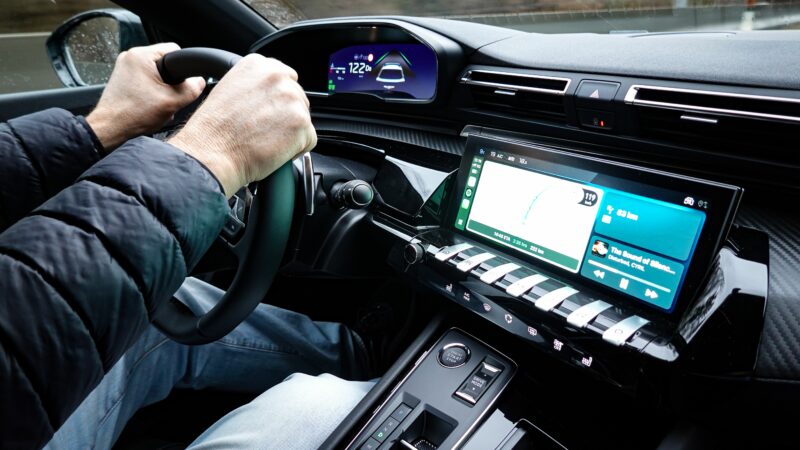
Electric vehicles have become increasingly popular thanks to their quiet operation, instant acceleration, and zero tailpipe emissions. Premium manufacturers such as Tesla, BMW, Mercedes-Benz, Porsche, and Audi continue expanding their EV line-ups, while many new brands are entering the market with competitive pricing and advanced technology.
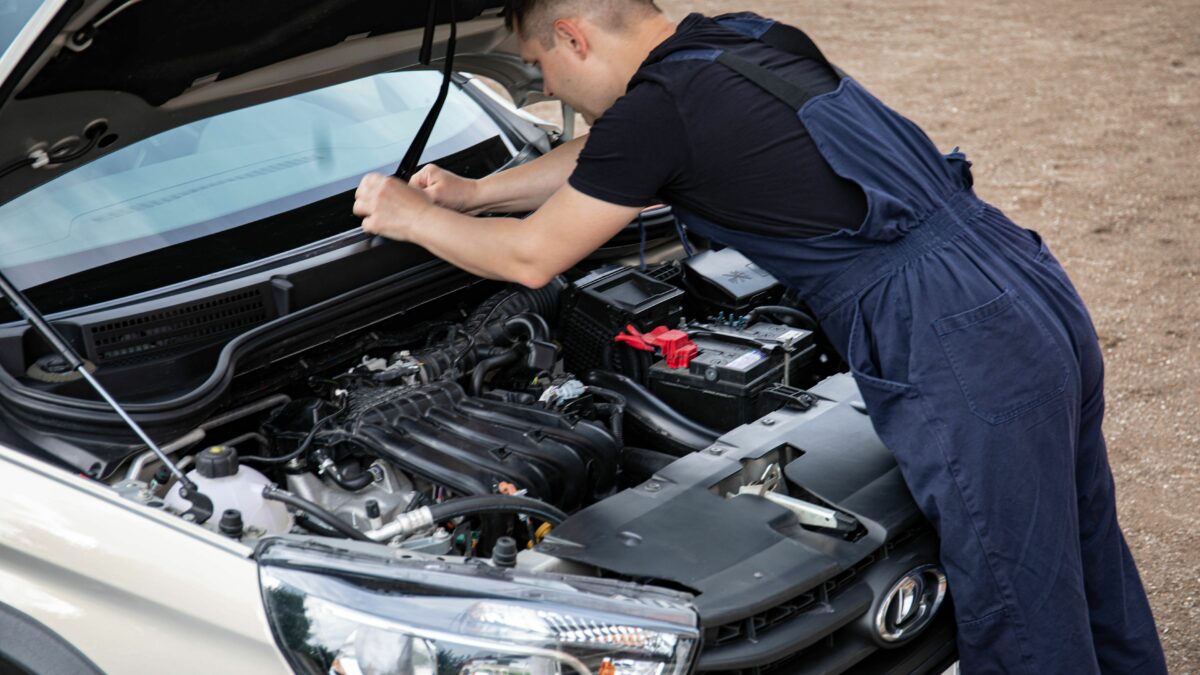
One of the biggest advantages of an EV is its low running cost. Electricity is generally cheaper than petrol, while maintenance costs are significantly reduced because electric motors have far fewer moving parts than traditional combustion engines. There are no oil changes, fewer mechanical components, and less routine servicing.
However, EV ownership still depends on access to reliable charging. Drivers who have home charging facilities will enjoy the greatest convenience, while those relying solely on public chargers may need to plan longer journeys more carefully.
Hybrid Vehicles
Hybrid cars combine a petrol engine with an electric motor, allowing both systems to work together for improved efficiency. Unlike fully electric vehicles, hybrids do not require external charging because the battery is automatically recharged during braking and driving.
Hybrids are particularly well suited for city driving, where frequent stop-and-go traffic allows the electric motor to reduce fuel consumption. They offer excellent fuel economy while eliminating concerns about charging infrastructure.
For many buyers, hybrids represent an ideal balance between traditional motoring and modern efficiency.
Plug-in Hybrid Vehicles (PHEVs)
Plug-in hybrids offer the best of both worlds. They can operate purely on electricity for short daily journeys before automatically switching to petrol for longer trips.
For commuters travelling less than 50–80 kilometres per day, a plug-in hybrid may complete most journeys without consuming any petrol. At the same time, drivers retain the flexibility of a conventional fuel tank for road trips.
The only drawback is that owners need to charge the vehicle regularly to maximise its efficiency.
Traditional Petrol Cars
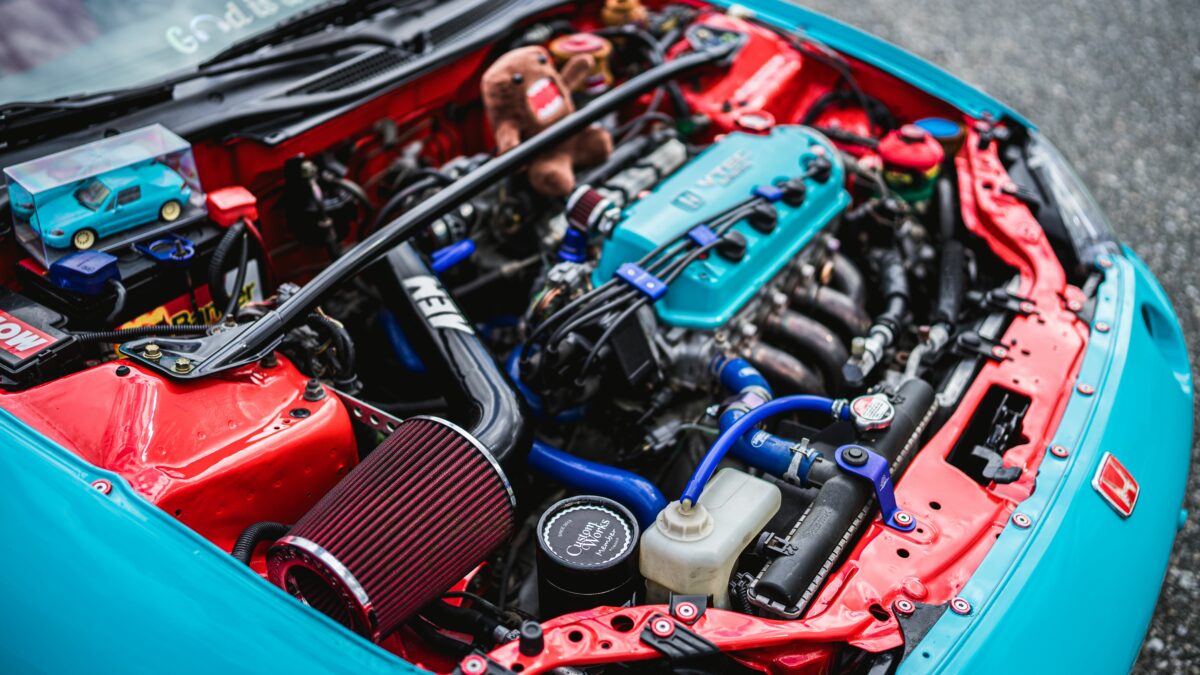
Despite rapid advances in electrification, petrol-powered vehicles remain the most practical option for many drivers. Fuel stations are available almost everywhere, refuelling takes only minutes, and servicing networks are well established.
Petrol vehicles also tend to have lower purchase prices than comparable EVs, making them attractive for buyers seeking affordability.
For drivers who regularly travel long distances or frequently cross international borders, conventional petrol vehicles continue to offer unmatched convenience.
Which Is Best for UAE Drivers?
The UAE has rapidly expanded its EV charging network, particularly in Dubai and Abu Dhabi, making electric vehicle ownership more practical than ever. Government initiatives supporting sustainable transportation are also encouraging more residents to consider electrified vehicles.
However, many UAE residents continue to drive long distances between emirates, making hybrids an attractive option for those who want improved fuel economy without relying entirely on charging stations.
Luxury manufacturers are also responding to regional demand by introducing more electrified SUVs and performance vehicles designed specifically for Gulf driving conditions.
Think Beyond the Purchase Price
When buying a vehicle, it’s important to consider the total cost of ownership rather than simply the showroom price. Insurance, maintenance, fuel or electricity costs, depreciation, and resale value all influence long-term affordability.
Some electric vehicles have higher initial purchase prices but lower operating costs, while petrol vehicles may be cheaper to buy but more expensive to fuel over several years.
The Future of Driving
There is no single answer that suits every driver. Electric vehicles are becoming increasingly practical, hybrids continue to offer excellent efficiency, and petrol cars remain dependable for many lifestyles.
The best vehicle is the one that matches your daily driving needs, budget, and future plans. As automotive technology continues to evolve, buyers now have more opportunities than ever to choose a car that delivers performance, comfort, efficiency, and long-term value.