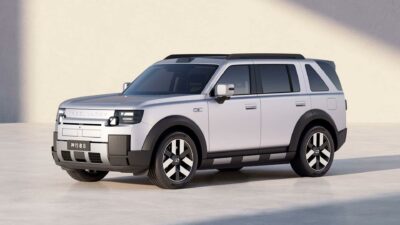
Why Chinese SUVs Are Gaining Ground in the UAE in 2026
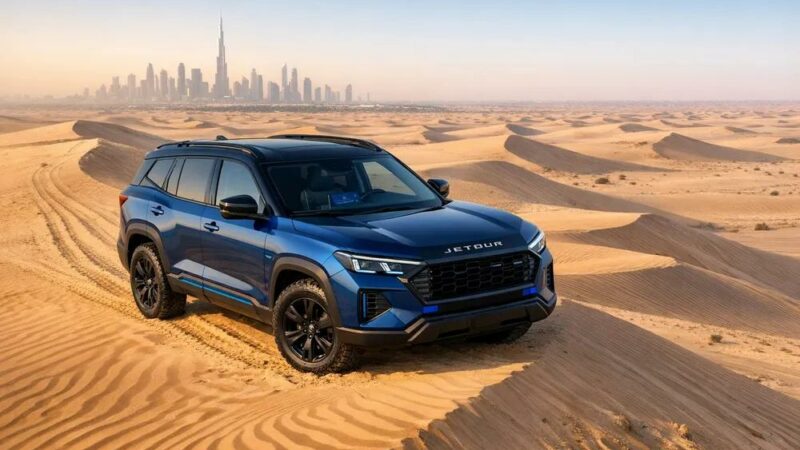
The UAE automotive market is changing rapidly. While Japanese, European and Korean manufacturers remain major players, a new generation of Chinese SUVs is attracting increasing attention from drivers in Dubai, Abu Dhabi and across the Emirates.
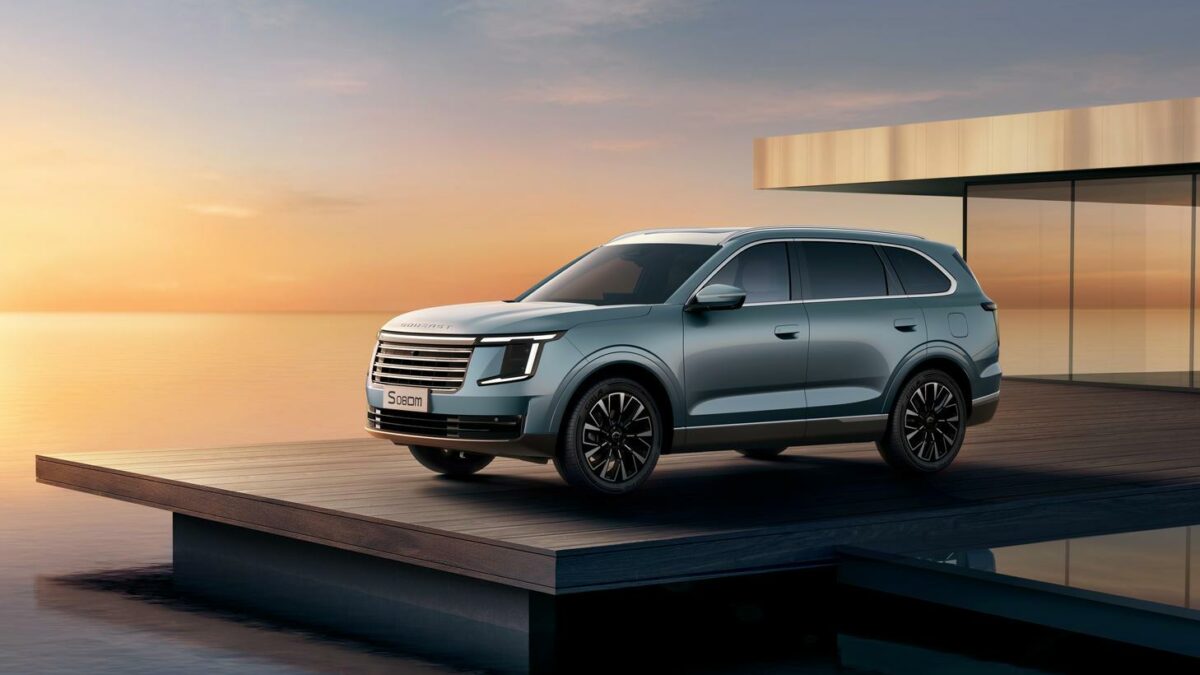
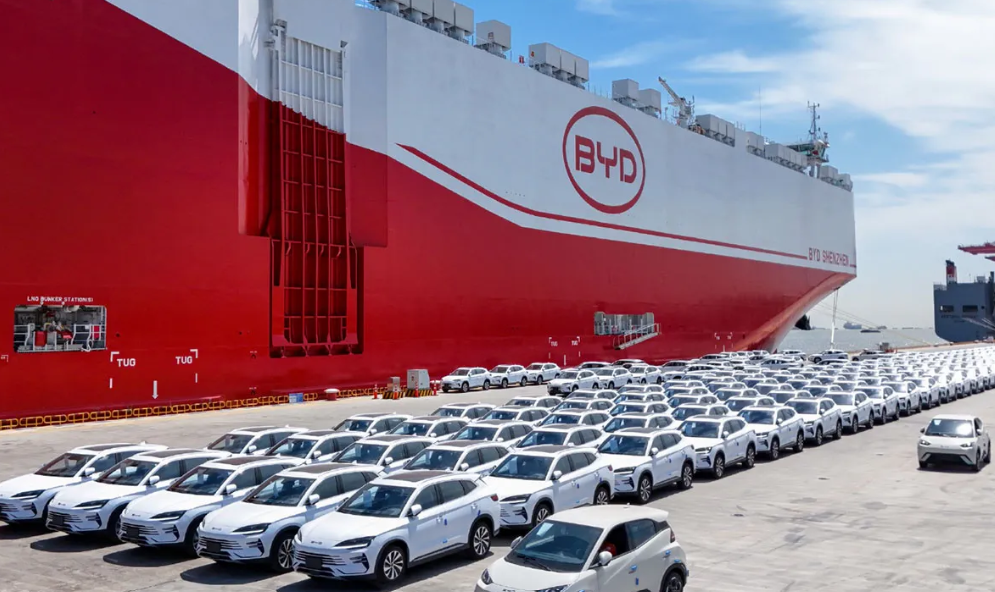
Brands such as BYD, Geely, Jetour, Chery and others are no longer competing only on price. Their latest vehicles combine bold design, advanced technology, electrified powertrains and increasingly premium interiors, giving UAE buyers more choices than ever before.
Technology Is Becoming a Major Selling Point
One of the strongest attractions of newer Chinese SUVs is the amount of technology offered.
Large infotainment displays, digital instrument clusters, 360-degree cameras, smartphone connectivity and advanced driver-assistance systems are increasingly common. Features that were once associated mainly with expensive luxury vehicles can now be found across a wider range of SUVs.
For technology-focused UAE motorists, this can make the value proposition particularly attractive.
Explore More: CarBook Electric Vehicles
More SUV for the Money
Price remains another important factor.
The UAE is an extremely competitive automotive market, and buyers can compare dozens of SUVs across similar price categories. Chinese manufacturers have responded by offering vehicles with generous equipment levels and distinctive designs.
Rather than positioning themselves simply as low-cost alternatives, many are now targeting buyers who want a premium-looking SUV without moving into traditional luxury-brand pricing.
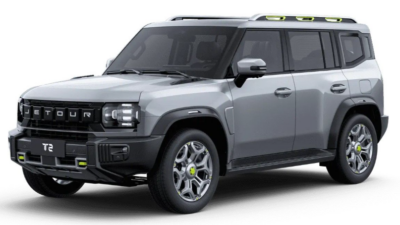
The expanding 2026 Jetour range in the UAE is one example of how Chinese manufacturers are covering several SUV segments, including models designed for urban driving as well as more adventurous use.
SUVs Designed for UAE Lifestyles
SUVs are particularly important in the Emirates because motorists often want one vehicle capable of handling commuting, family journeys and weekend trips outside the city.
This has encouraged manufacturers to offer larger cabins, strong air-conditioning, multiple driving modes and increasingly capable four-wheel-drive systems.
Models with rugged styling have also become especially visible on UAE roads, reflecting the popularity of vehicles that combine everyday comfort with an off-road image.
Hybrid and Electric Choices Are Expanding
Electrification could strengthen the position of Chinese manufacturers even further.
China has become a major centre for battery-electric and plug-in hybrid vehicle development, allowing its manufacturers to introduce new powertrain technology across multiple price segments.
For UAE consumers, that means the decision is becoming broader than simply choosing between petrol and a fully electric vehicle. Plug-in hybrids and other electrified options can appeal to motorists who want lower fuel consumption while retaining the flexibility of an internal-combustion engine.
Should UAE Buyers Consider a Chinese SUV?
The answer increasingly depends on the individual model rather than where the badge originates.
Buyers should still compare warranty coverage, dealership support, servicing costs, parts availability, insurance and expected resale value alongside specifications and purchase price.
Established Japanese and European manufacturers retain significant advantages in areas such as long-term reputation and resale history. However, Chinese manufacturers are closing the gap in technology, design and perceived quality.
For UAE motorists, that competition is ultimately positive. More brands mean more choice — and pressure on every manufacturer to deliver better technology, stronger specifications and greater value.
As the market develops through 2026, Chinese SUVs are likely to remain one of the most interesting segments to watch.
Read Next: Latest Automotive News and Reviews on CarBook Magazine