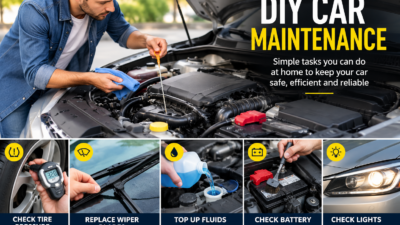
7 Easy DIY Car Maintenance Checks in 15 Minutes

You don’t need to be a mechanic to keep your car in good condition. In fact, some of the most important maintenance checks can be completed at home with a few basic tools
From checking tyre pressure to inspecting engine oil, these simple habits can help prevent unexpected breakdowns, improve safety and potentially save money on expensive repairs.
Here are seven DIY car maintenance checks every driver should know.
1. Check Your Tyre Pressure
Incorrect tyre pressure can affect handling, fuel efficiency and tyre wear.
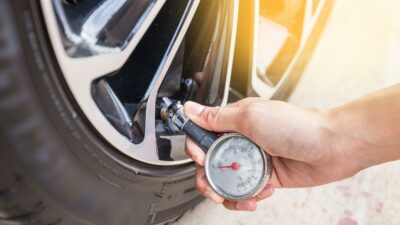
Use a digital pressure gauge to check each tyre when the tyres are cold, ideally before driving or after the vehicle has been parked for several hours.
Compare the readings with the manufacturer’s recommended pressure, usually displayed on a sticker inside the driver’s door.
The National Highway Traffic Safety Administration recommends regular tyre inspections and correct inflation to support vehicle safety.
In hot climates, tyre maintenance is particularly important because heat and driving conditions can place additional stress on tyres.
2. Inspect Your Engine Oil
Engine oil lubricates moving components and helps protect the engine from excessive wear.
If your vehicle has a dipstick, park on level ground, switch off the engine and follow the owner’s manual for the correct checking procedure.
Remove the dipstick, wipe it clean, reinsert it fully and check the oil level.
If necessary, add only the manufacturer-approved oil, taking care not to overfill.
Some modern vehicles use an electronic oil-level monitoring system instead of a traditional dipstick.
3. Check Your Coolant Level
Your cooling system plays an essential role in preventing engine overheating.
With the engine completely cool, inspect the coolant level in the transparent expansion reservoir.
The fluid should normally sit between the minimum and maximum markings.
Never open the cooling system cap when the engine is hot, as pressurised coolant can cause serious burns.
If the coolant level repeatedly drops, have the system professionally inspected rather than simply topping it up.
4. Inspect Your Windshield Wipers
Worn wiper blades can leave streaks, create noise and reduce visibility during rain or dusty conditions.
Examine the rubber edges for cracking, splitting or damage.
Clean the blades gently using a damp cloth and replace them if they no longer clear the windshield effectively.
For drivers in the UAE, prolonged exposure to sunlight and high temperatures can accelerate rubber deterioration.
Good visibility is a basic but essential part of safe driving.
5. Check Your Exterior Lights
Faulty lights can make your vehicle harder for other road users to see.
Switch on the headlights, indicators, hazard lights and rear lights, then inspect them visually.
You can use a reflection in a wall or ask another person to help check the brake lights.
Replace faulty bulbs where the manufacturer permits owner replacement. Some modern LED lighting systems require professional service.
For more automotive maintenance advice and motoring features, explore CarBook Magazine.
6. Examine Your Battery
A weak battery can leave you stranded without warning.
With the engine switched off, visually inspect an accessible 12-volt battery for corrosion, leakage, swelling or loose connections.
Do not touch damaged terminals or attempt repairs if the battery appears swollen or leaking.
Many modern vehicles, particularly hybrids and electric vehicles, have battery systems that should only be serviced by qualified technicians.
The AAA automotive maintenance guidance provides additional information about vehicle servicing and repair.
7. Check Your Washer Fluid
Windshield washer fluid is easy to overlook until you need it.
Locate the washer reservoir, usually identified by a windshield symbol, and check the fluid level.
Top it up using a suitable automotive washer fluid recommended for your vehicle and climate.
Avoid using household detergents, which may damage components or leave unwanted residue.
This small maintenance task can make a significant difference when dust, dirt or road spray affects visibility.
Small Checks Can Prevent Bigger Problems
Regular DIY inspections do not replace scheduled servicing, but they can help drivers identify potential problems before they become expensive repairs.
The key is consistency.
Spend a few minutes checking your vehicle regularly, especially before long journeys or during extreme weather.
Whether you drive a family SUV, a luxury sedan or a sports car, preventive maintenance helps protect your investment and improves confidence behind the wheel.
Fifteen minutes of attention today could save hours of trouble on the road tomorrow.