Software-Defined Cars: The Future of Driving
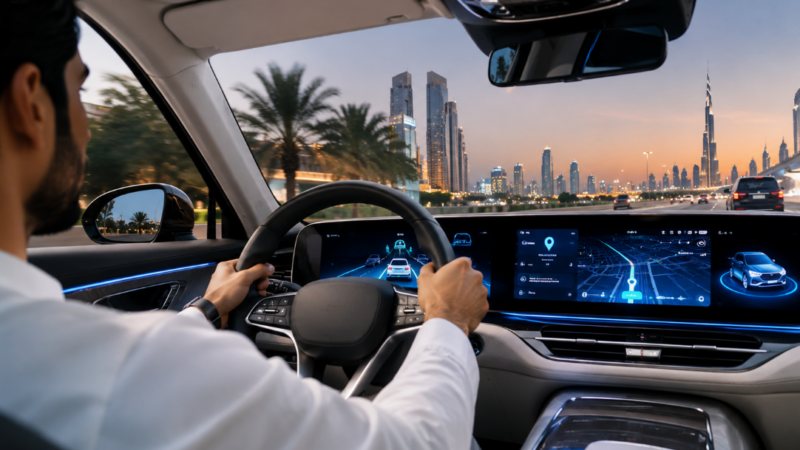
The automotive industry is undergoing one of its most significant technological transformations.
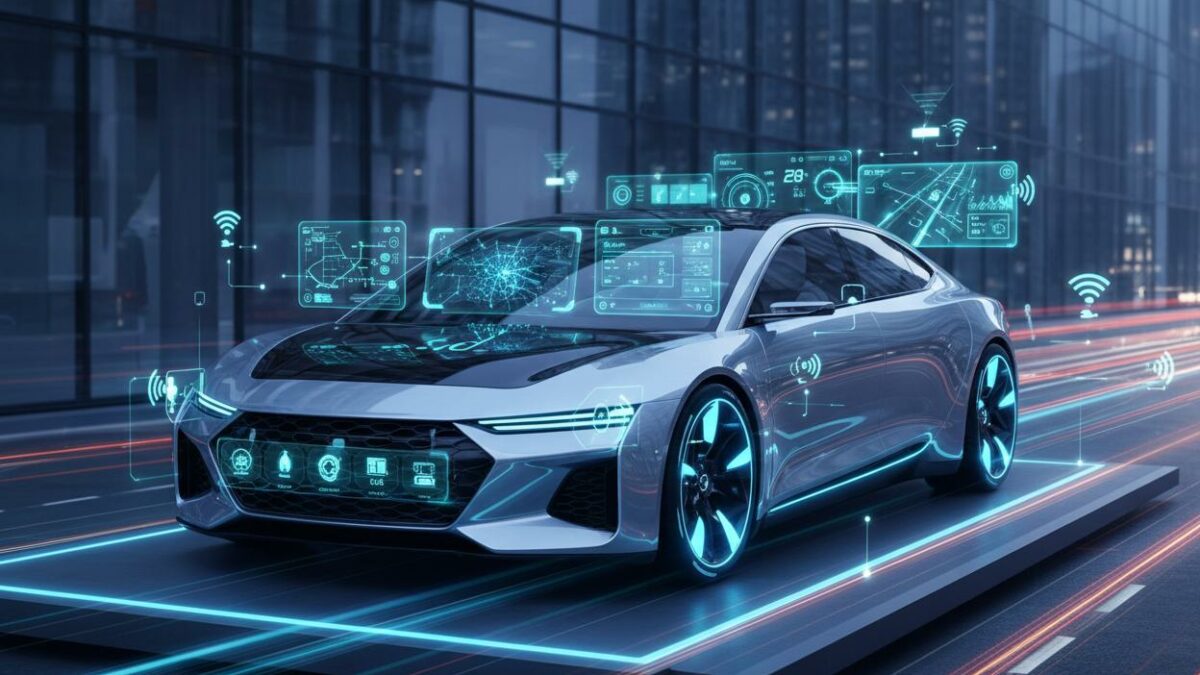
Modern vehicles are no longer defined solely by engine performance, mechanical engineering and exterior design. Increasingly, software determines how cars operate, communicate and evolve throughout their ownership.
This development has introduced a new concept: the software-defined vehicle.
From wireless updates to intelligent driving assistance, these technologies are changing what motorists can expect from their cars.
What Is a Software-Defined Vehicle?
A software-defined vehicle, commonly called an SDV, relies on advanced computing systems to control and coordinate a growing number of vehicle functions.
Traditional vehicles typically use numerous separate electronic control units to manage different systems.
Newer architectures increasingly combine these functions into more centralised computing platforms.
This approach can simplify vehicle electronics while allowing manufacturers to introduce improvements through software.
The result is a car that may continue evolving after leaving the showroom.
Updates Without Visiting a Workshop
One of the most important developments is over-the-air software updating.
Similar to smartphones, compatible vehicles can receive certain updates wirelessly.
Manufacturers may use these updates to improve infotainment functions, navigation, battery management or selected driver-assistance capabilities.
Software updates can also address cybersecurity vulnerabilities and correct technical problems.
However, not every vehicle function can be updated remotely, and some repairs still require workshop intervention.
Artificial Intelligence Behind the Wheel
Artificial intelligence is becoming increasingly important in automotive technology.
AI-supported systems can help process information from cameras, radar and other sensors.
These technologies contribute to features such as adaptive cruise control, lane assistance and advanced parking systems.
Inside the cabin, intelligent voice assistants can help drivers control navigation, entertainment and selected comfort functions.
However, advanced driver-assistance systems are not necessarily autonomous driving systems.
Drivers must continue following the manufacturer’s instructions and remain responsible for operating their vehicles safely.
A More Personalised Driving Experience
Connected vehicles can increasingly remember driver preferences.
Seat positions, climate settings, entertainment choices and navigation destinations may be linked to individual user profiles.
Some manufacturers also offer smartphone applications that allow owners to check vehicle status or control selected functions remotely.
These conveniences introduce additional considerations involving data privacy, cybersecurity and long-term software support.
Consumers should understand what information their vehicles collect and how it is used.
What It Means for UAE Drivers
The UAE’s interest in connected mobility, electric vehicles and advanced transport technology makes software-defined vehicles particularly relevant.
Motorists may benefit from improved digital services and vehicles that receive functional enhancements over time.
However, buyers should also consider the cost of optional subscriptions, software compatibility and the availability of local technical support.
For more coverage of emerging automotive innovations, visit CarBook Magazine.
The International Energy Agency’s 2026 report on software-defined vehicles provides further insight into this technological transition.
The Road Ahead
Software-defined vehicles represent an important shift in automotive design.
Rather than remaining technologically unchanged throughout their lives, compatible cars may receive improvements through ongoing software development.
As manufacturers continue investing in digital platforms, software quality, security and reliability will become increasingly important factors in the car-buying decision.