What Your Tyres Reveal About Your Car
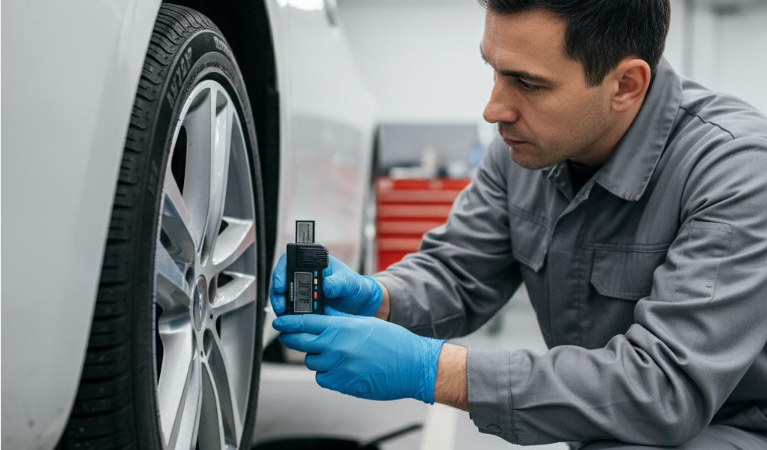
Uneven tyre wear, unusual vibrations and changes in handling can provide valuable clues about your vehicle’s overall condition.
Tyres are among the most important components of any vehicle, yet many motorists only pay attention to them when a puncture occurs or replacement becomes necessary.
Beyond providing grip and stability, tyres can reveal underlying problems involving wheel alignment, suspension, inflation pressure and driving habits.
For motorists in the UAE, where demanding road conditions and high temperatures can place additional stress on automotive components, understanding these warning signs is particularly valuable.
Uneven Wear
One of the easiest ways to identify potential vehicle problems is by examining tyre tread.
Excessive wear around the outer edges of a tyre may indicate insufficient inflation, while increased wear through the centre can sometimes suggest excessive pressure.
Wear concentrated along one side of the tyre may indicate an alignment or suspension issue.
However, tyre wear patterns can have multiple causes, so professional inspection is recommended when unusual wear becomes noticeable.
Addressing these problems early may help extend tyre life and improve vehicle handling.
Pressure Matters
Correct tyre pressure plays an essential role in maintaining stability, comfort and fuel efficiency.
The National Highway Traffic Safety Administration recommends regular tyre inspections, including checking inflation pressure and examining tyres for damage.
Pressure should ideally be measured before driving or after the vehicle has remained parked for several hours.
Motorists should follow the vehicle manufacturer’s recommended pressure rather than the maximum pressure displayed on the tyre sidewall.
For practical guidance, explore CarBook Magazine’s article on how to check your tyre pressure at home.
Vibrations and Noise
Persistent vibrations through the steering wheel or vehicle cabin may indicate wheel imbalance, tyre damage or other mechanical issues.
Similarly, unusual road noise that develops suddenly or becomes progressively louder should not be ignored.
Although road surfaces naturally influence driving noise, a noticeable change may justify a professional inspection.
Drivers experiencing sudden or severe vibrations should stop safely and arrange appropriate assistance rather than continuing at motorway speeds.
Hidden Damage
Not all tyre problems are immediately obvious.
Small cracks, cuts, punctures and bulges can compromise tyre integrity. Sidewall bulges are particularly concerning because they may indicate internal structural damage.
Tyres showing these warning signs should be assessed promptly by a qualified tyre specialist.
Regular visual inspections are especially important before long-distance journeys or after hitting potholes and road debris.
Protecting Your Investment
Premium tyres represent a significant ownership expense, but simple preventive measures can help maximise their useful life.
Maintaining correct inflation, checking wheel alignment, rotating tyres according to manufacturer recommendations and avoiding aggressive driving can all contribute to more consistent wear.
Drivers should also follow replacement recommendations based on tyre condition, age and manufacturer guidance rather than relying exclusively on mileage.
Drive with Confidence
A well-maintained set of tyres contributes significantly to the overall driving experience, supporting predictable handling, braking performance and passenger comfort.
Taking a few minutes to examine your tyres regularly can help identify potential problems before they develop into more serious concerns.
For more practical ownership advice, explore CarBook Magazine’s DIY car maintenance guide and discover how everyday preventive maintenance can help protect your vehicle.