
Why Software Has Become the Most Valuable Component in Modern Cars
For over a century, the automotive industry revolved around engines, mechanical innovation, and design. Today, that foundation is shifting rapidly. Software—not horsepower—is now the defining factor in modern vehicles. Cars have evolved into intelligent, connected platforms where code dictates performance, safety, and user experience.
Modern vehicles contain tens of millions of lines of software code, controlling everything from braking systems to infotainment, navigation, and driver assistance. This digital transformation is redefining what consumers expect from a car.
From Mechanical to Digital Control
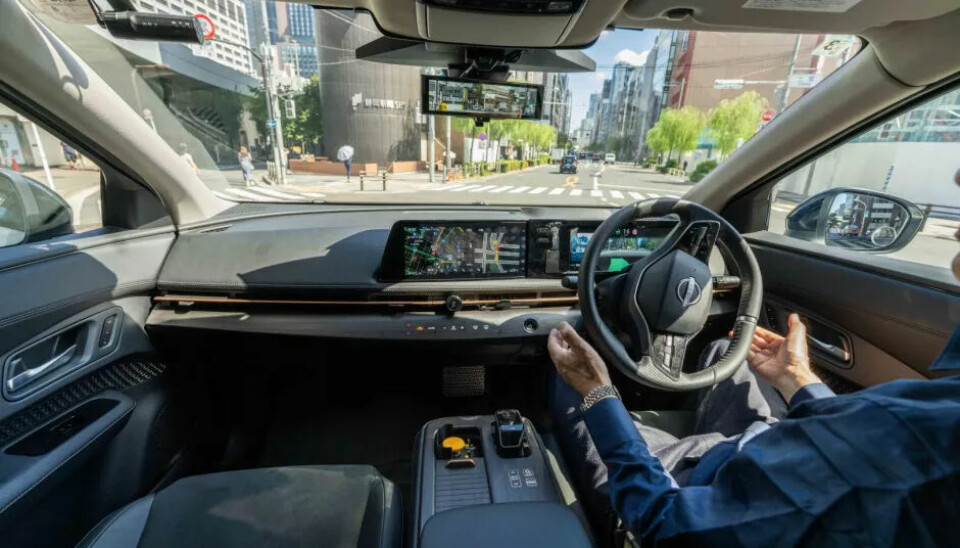
Traditional vehicles relied on mechanical systems to manage acceleration, steering, and braking. Today, these systems are electronically controlled and software-driven. Drive-by-wire technology has replaced physical linkages, allowing software to optimize efficiency, responsiveness, and safety in real time.
This shift enables features such as adaptive driving modes, predictive braking, and energy-efficient power delivery—all impossible without advanced software. Check CarBook Technology & Innovation Section
Over-the-Air Updates: Cars That Improve Over Time
One of the most disruptive innovations is over-the-air (OTA) updates. Manufacturers can now remotely update vehicle software, improving performance, fixing bugs, and even adding new features long after purchase.
This has fundamentally changed vehicle ownership. A car is no longer a static product—it is a living platform that evolves throughout its lifespan.
Safety Powered by Algorithms
Advanced Driver Assistance Systems (ADAS) rely almost entirely on software. Cameras, radar, and sensors collect vast amounts of data, which algorithms analyze in milliseconds to detect hazards, monitor driver behavior, and intervene when necessary.
Lane-keeping assist, adaptive cruise control, emergency braking, and blind-spot monitoring are all software-defined features. As artificial intelligence advances, these systems are becoming more predictive rather than reactive.
Electric Vehicles and Software Dominance
Electric vehicles amplify the importance of software. Battery management systems control charging speed, range optimization, thermal regulation, and regenerative braking. Two EVs with similar hardware can deliver drastically different performance based solely on software tuning.
Range anxiety, one of the biggest EV concerns, is increasingly addressed through intelligent energy management software rather than larger batteries.
Personalization and Digital Ecosystems
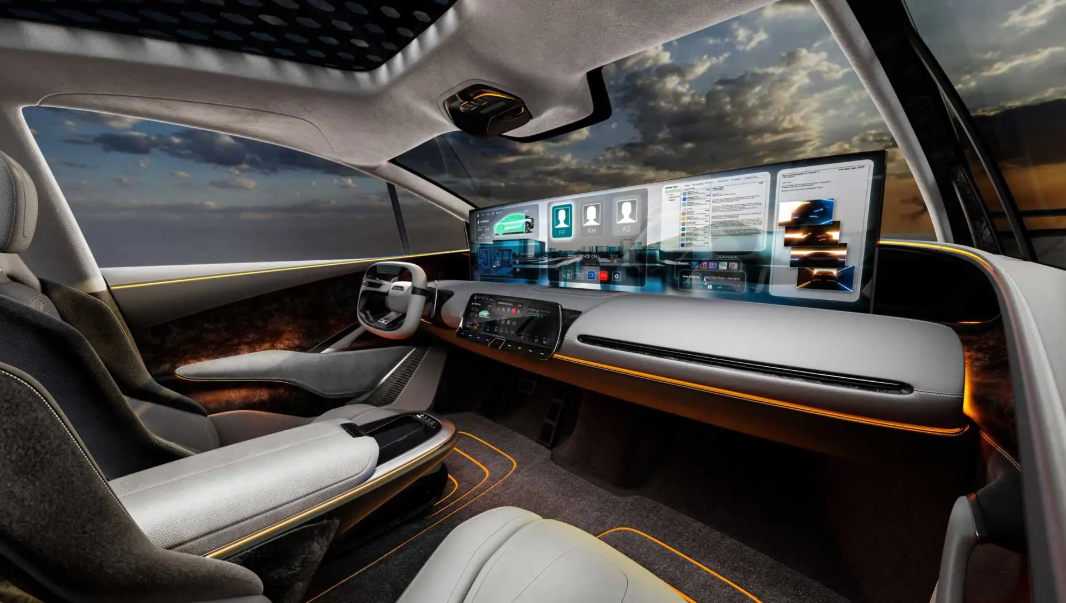
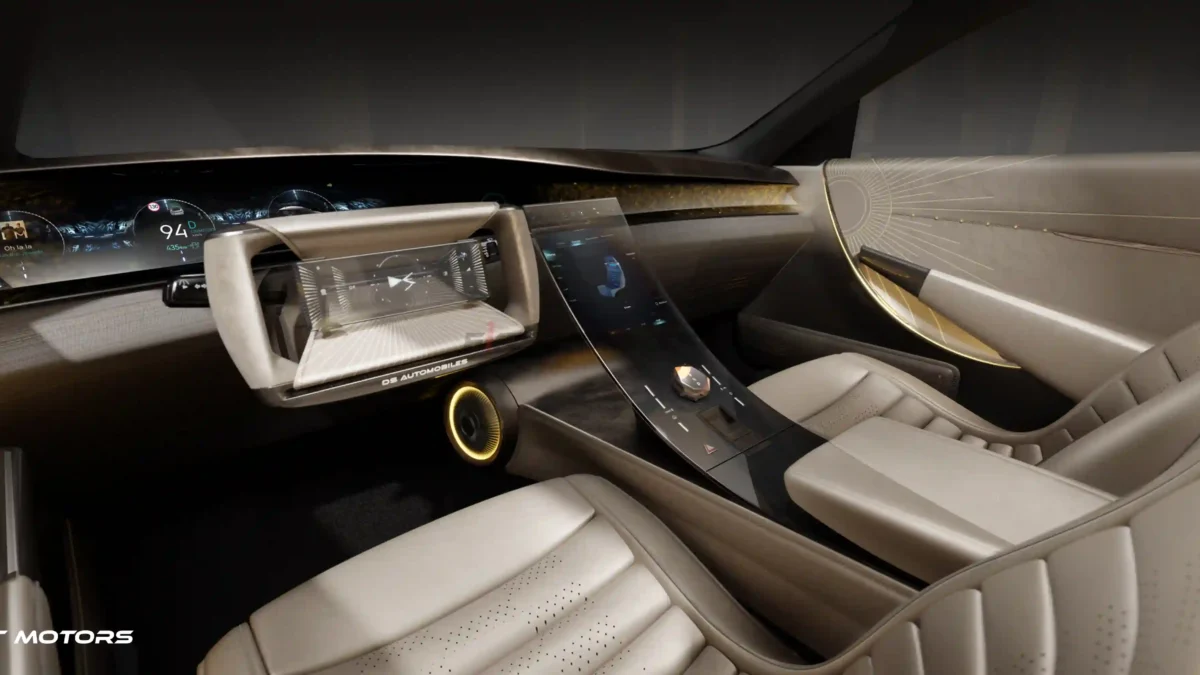
Modern drivers expect personalization. Software enables customizable interfaces, user profiles, connected apps, and seamless smartphone integration. Vehicles now integrate with smart homes, cloud services, and digital assistants.
This digital ecosystem creates brand loyalty not through engine specs, but through user experience.
New Revenue Models
Manufacturers are also leveraging software for recurring revenue. Subscription-based features, software unlocks, and digital upgrades are becoming common. Heated seats, performance modes, and advanced navigation can now be activated via software.
While controversial, this model reflects the growing value of code over hardware.
The Challenges Ahead
With software dominance come new risks. Cybersecurity threats, system reliability, and long-term update support are now critical considerations. A modern car must be protected digitally just as much as mechanically.
Manufacturers that fail to deliver stable, secure software risk losing consumer trust.
The Road Forward
The future of mobility is software-defined. As autonomous driving, connectivity, and AI continue to evolve, the most successful automotive brands will be those that master digital innovation—not just engineering.
The car of tomorrow will be judged less by what’s under the hood and more by what’s inside the code.