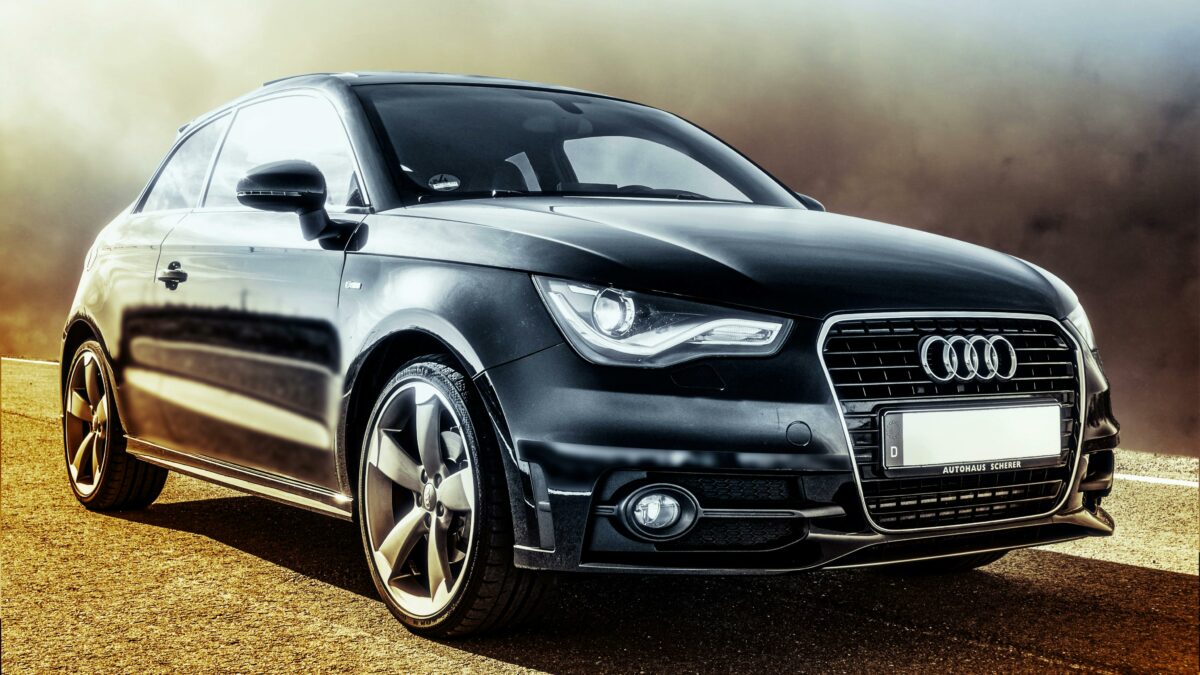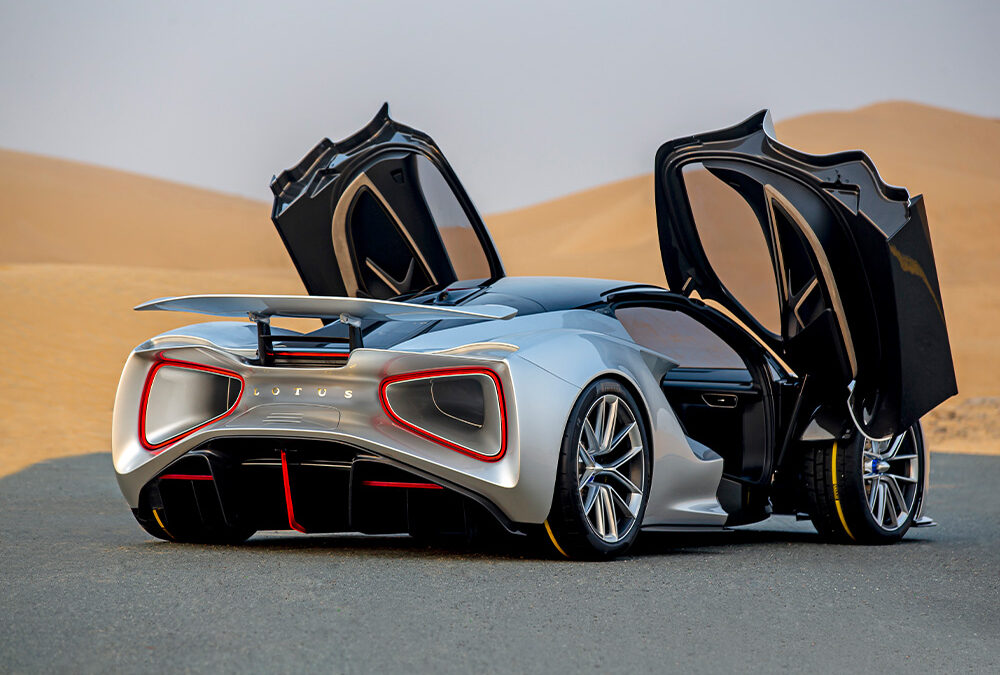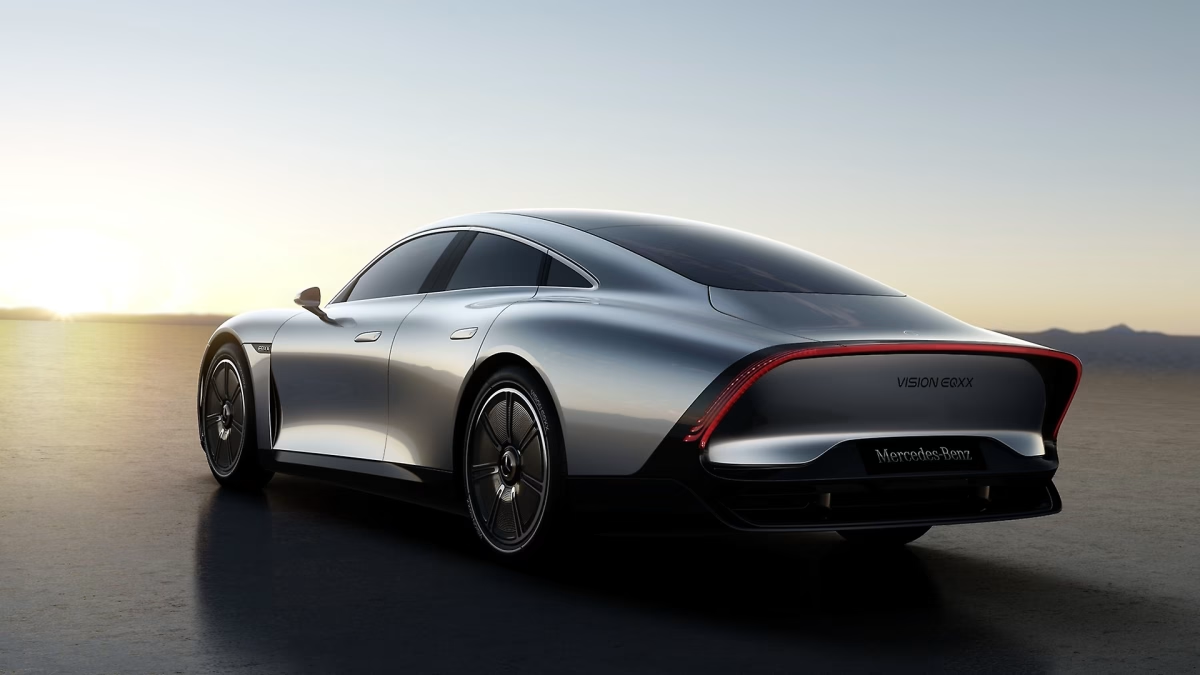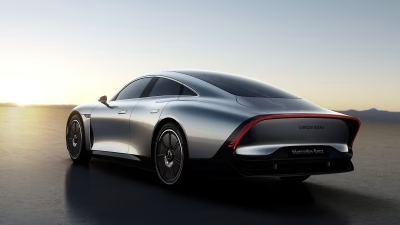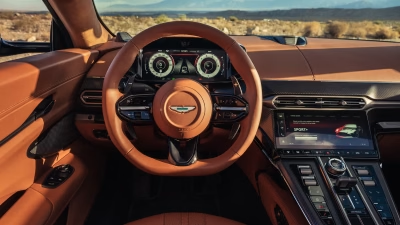
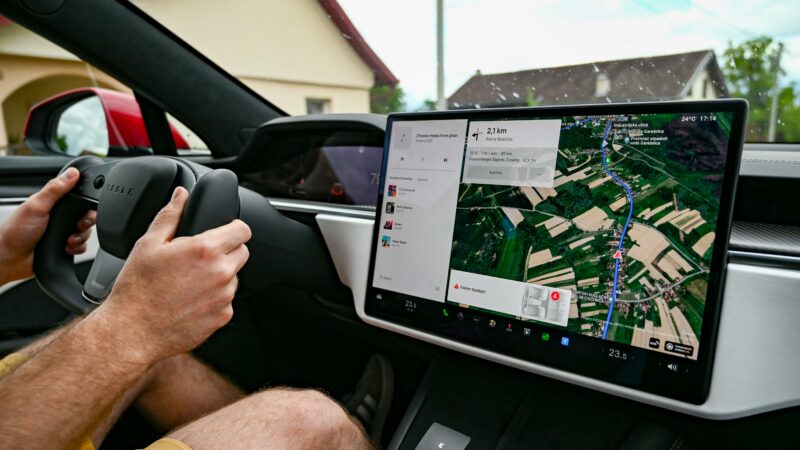
Imagine a car that doesn’t just respond to your commands—but anticipates them before you even act. In 2026, artificial intelligence is no longer a futuristic concept; it is already transforming the way we drive, making vehicles smarter, safer, and more intuitive than ever before. From predictive braking to personalized driving modes, AI is quietly redefining performance on the road.
Introduction: When Cars Started Thinking
For decades, performance in the automotive world was defined by horsepower, torque, and mechanical precision. Today, that definition is rapidly evolving. In 2026, cars are no longer just machines—they are intelligent systems capable of learning, adapting, and responding in real time. Artificial Intelligence (AI) has become the invisible engine behind modern driving, transforming not only how cars perform but how drivers interact with them.
From predictive safety systems to self-learning driving modes, AI is redefining performance in ways that go far beyond traditional engineering. The modern vehicle is now a fusion of software, data, and mechanical excellence, marking a new era where intelligence is just as important as power.

AI-Pow
One of the most significant contributions of AI in the automotive industry is its ability to enhance driving beyond human limitations. Advanced Driver Assistance Systems (ADAS) have evolved into highly sophisticated networks of sensors, cameras, and machine learning algorithms.
M
- Detect obstacles in milliseconds
- Before
- Adjust braking and steering automatically
M
AI doesn’t just react—it anticipates. This shift from reactive to proactive driving is one of the most powerful advancements in automotive history.
Performance Optimization Through AI
Traditionally, performance tuning required manual adjustments and mechanical expertise. In 2026, AI handles this dynamically and continuously.
AI systems analyze:
- Driving behavior
- Road conditions
- Traffic patterns
- Weather data
Based on this information, the car automatically adjusts:
- Engine performance
- Suspension stiffness
- Steering sensitivity
In electric vehicles (EVs), AI plays an even bigger role. It optimizes battery usage, extends range, and manages thermal systems to ensure maximum efficiency without compromising performance.
This means every drive is uniquely optimized—whether you’re navigating city traffic or pushing limits on the highway.
Personalization: A Car That Knows You
AI has introduced a new level of personalization in vehicles. Cars today can recognize drivers and adjust settings instantly.
This includes:
- Seat position
- Climate control
- Driving mode preferences
- Infotainment layout
More advanced systems go further by learning your habits over time. For example, your car might automatically:
- Adjust temperature based on time of day
- Suggest routes based on your routine
- Play your preferred music without input
This level of personalization transforms the car into a digital companion rather than just a mode of transport.
Predictive Maintenance: Preventing Problems Before They Exist
One of the most practical uses of AI is predictive maintenance. Instead of waiting for something to fail, AI systems monitor vehicle health in real time.
Sensors continuously track:
- Engine condition
- Tire pressure and wear
- Battery health
- Brake performance
If the system detects unusual patterns, it alerts the driver before a problem occurs. This not only reduces repair costs but also increases safety and reliability.
In connected vehicles, this data can also be shared with service centers, allowing for faster diagnostics and more efficient maintenance planning.
AI and Safety: Redefining Protection
Safety has always been a top priority in automotive design, but AI is taking it to another level.
Modern AI systems can:
- Monitor driver attention levels
- Detect fatigue or distraction
- Take control in emergency situations
For example, if a driver becomes unresponsive, some vehicles can safely slow down, activate hazard lights, and even call emergency services.
AI also improves pedestrian and cyclist detection, making urban environments safer for everyone.
This shift toward intelligent safety systems is not just an upgrade—it’s a fundamental transformation in how vehicles protect human life.
Real-World Examples: Leading the AI Revolution
Several automotive brands are already pushing the boundaries of AI integration:
Tesla
Tesla’s Full Self-Driving (FSD) system is one of the most advanced AI-driven platforms available today. It continuously learns from real-world driving data, improving with every mile driven globally.
Mercedes-Benz
Mercedes has introduced AI-powered assistants that respond to voice commands naturally. Their systems also adapt to driver behavior, creating a highly personalized experience.
BMW
BMW integrates AI into its iDrive system, offering intelligent navigation, predictive recommendations, and adaptive driving dynamics.
These brands demonstrate how AI is no longer experimental—it is a core component of modern automotive design.
AI in Electric Vehicles: A Perfect Match
Electric vehicles rely heavily on software, making them the perfect platform for AI integration.
AI enhances EV performance by:
- Managing battery efficiency
- Optimizing charging patterns
- Extending driving range
- Improving energy recovery systems
For example, AI can analyze your route and suggest when and where to charge, ensuring a seamless driving experience without range anxiety.
As EV adoption continues to grow, AI will play an even more critical role in shaping the future of mobility.
The Emotional Side of Intelligent Driving
While AI is often associated with technology and data, it also impacts the emotional aspect of driving.
A car that understands your preferences, adapts to your mood, and provides a smooth, stress-free experience creates a stronger connection between driver and machine.
Driving becomes less about control and more about experience.
This emotional evolution is subtle but powerful—it transforms cars from tools into companions.
Challenges and Considerations
Despite its advantages, AI in automotive technology comes with challenges:
- Data privacy concerns
- System reliability
- High development costs
- Regulatory limitations
Manufacturers must balance innovation with responsibility, ensuring that AI systems are safe, transparent, and secure.
Trust will play a key role in the widespread adoption of AI-driven vehicles.
The Future: What’s Next for AI in Cars
Looking ahead, the role of AI in automotive design will only expand.
Future developments may include:
- Fully autonomous driving in all conditions
- AI-to-AI communication between vehicles
- Smart cities integrated with vehicle systems
- Hyper-personalized driving environments
The car of the future will not just respond to the driver—it will collaborate with them.
Conclusion: Intelligence is the New Performance
The definition of performance has changed forever. In 2026, it’s no longer just about speed or power—it’s about intelligence, adaptability, and connection.
AI is transforming every aspect of the driving experience, from safety and efficiency to personalization and emotion.
As technology continues to evolve, one thing is clear: the smartest cars will lead the future.