Chinese Carmakers Challenge Europe’s Auto Giants
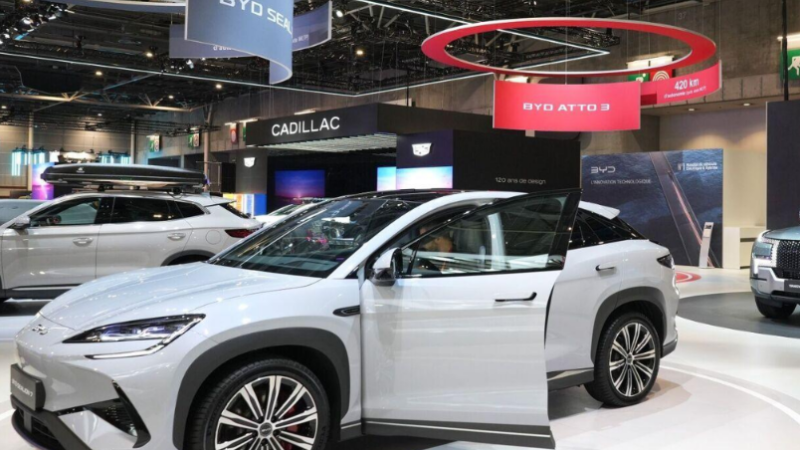
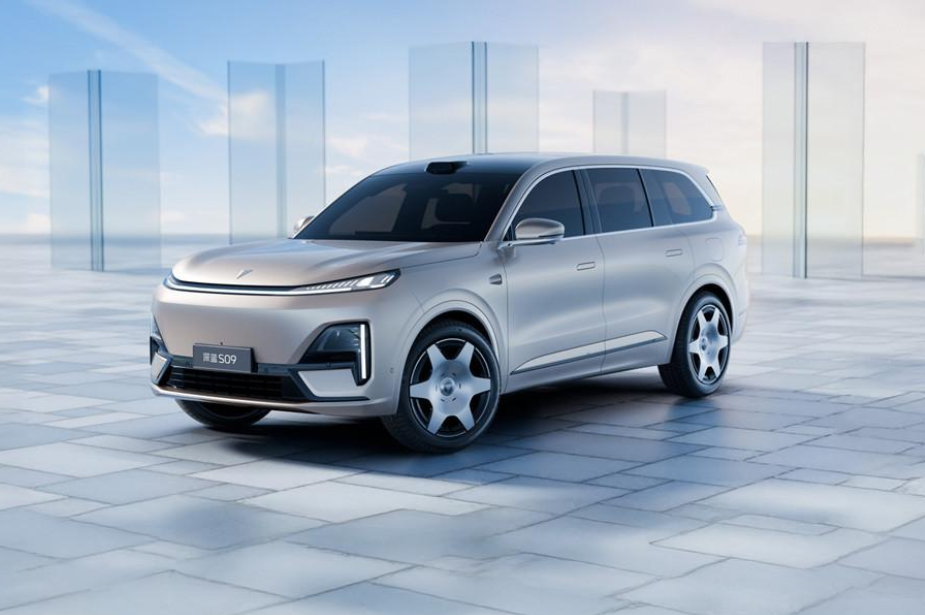
The 2026 Paris Motor Show has become more than an exhibition of new vehicles. It is revealing a major shift in global automotive competition as Chinese manufacturers challenge Europe’s established carmakers with advanced technology, competitive pricing and ambitious expansion plans.
Europe’s automotive industry is facing one of its most important transformations in decades. Long-established manufacturers are being challenged by a new generation of Chinese competitors that have rapidly developed expertise in electric vehicles, battery systems and digital automotive technology.
This shift has become especially visible at the Paris Motor Show, taking place from October 12 to 18, where manufacturers from both sides are introducing new models and demonstrating their strategies for the future.
Chinese Brands Expand Their Ambitions
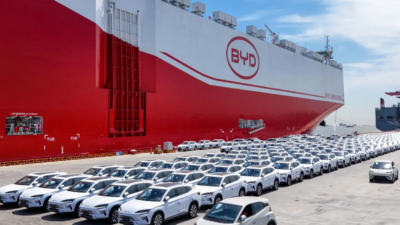
Companies including BYD, Chery and Changan are pursuing greater international recognition while expanding their presence in European markets.
These manufacturers have built a reputation for combining modern styling, advanced infotainment systems and electrified powertrains with prices that often challenge traditional competitors.
According to Reuters’ October 15 analysis, Europe is becoming increasingly important to Chinese manufacturers facing intense competition in their domestic market.
The challenge, however, extends well beyond selling vehicles.
A successful European expansion requires strong dealer networks, reliable parts availability, competitive warranties and customer confidence in long-term ownership.
European Manufacturers Fight Back
Traditional European brands are responding by accelerating their electric vehicle programmes and developing new technologies.
Renault, Peugeot, Citroën and other manufacturers have presented ambitious projects at the Paris exhibition, highlighting new approaches to design, efficiency and electric mobility.
Peugeot, in particular, has attracted attention with futuristic performance concepts demonstrating its evolving design language.
CarBook recently explored these developments in Peugeot Unveils Two Spectacular World Premieres at the 2026 Paris Motor Show.
The growing rivalry illustrates a changing automotive environment where a manufacturer’s heritage is no longer enough to guarantee success.
Technology, software integration and the ability to bring new vehicles to market quickly are becoming equally important.
Why This Matters to UAE Drivers
Although the current competition is unfolding in Europe, its impact could extend to the Middle East.
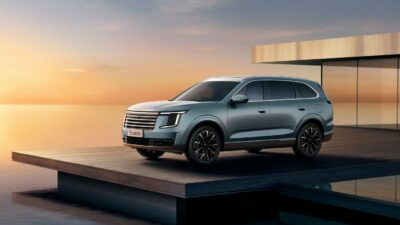
The UAE has already become an important regional market for Chinese automotive brands, particularly in the SUV and electrified vehicle segments.
Buyers in Dubai and Abu Dhabi are increasingly comparing established European and Japanese models with Chinese alternatives offering premium-looking interiors, advanced driver-assistance systems and extensive equipment.
As discussed in CarBook’s feature Why Chinese SUVs Are Gaining Ground in the UAE in 2026, the rise of Chinese manufacturers is changing consumer expectations and creating stronger competition across different price categories.
The result is a market in which value is being defined not simply by the badge on the bonnet but by the complete ownership experience.
The Next Challenge: Trust and Reliability
A vehicle may impress customers with its technology during a showroom visit, but long-term satisfaction depends on more practical considerations.
After-sales service, spare-parts availability, resale value, battery durability and maintenance costs remain major factors when selecting a vehicle.
This is particularly important in the Gulf, where high summer temperatures, extensive highway driving and demanding daily use place additional pressure on automotive systems.
Manufacturers that successfully combine innovation with reliable customer support are likely to earn stronger long-term loyalty.
The UAE’s broader transition towards new automotive technologies has also been examined in How the UAE Is Driving Smart Mobility.
A Turning Point for the Global Industry
The competition between Chinese and European carmakers is unlikely to be decided by a single motor show.
Instead, the next several years could determine which manufacturers adapt most successfully to changing consumer expectations, government regulations and technological advances.
European brands still hold considerable advantages in engineering experience, brand heritage and established distribution networks.
Chinese manufacturers, meanwhile, are challenging conventional assumptions about how quickly new models can be developed and how much technology can be offered at competitive prices.
For consumers, stronger competition could ultimately create greater choice.