GM Unveils the Next Generation of AI-Powered Vehicles

General Motors is accelerating its transformation into a technology-driven automotive company, introducing new developments in artificial intelligence, electric vehicle engineering, and intelligent driving systems.
The American automaker has outlined a strategy designed to make future vehicles smarter, more connected, and increasingly capable of receiving new features through software updates.
The announcement reflects a significant shift across the global automotive industry, where digital technology is becoming as important as traditional mechanical engineering.
A New Era of Intelligent Vehicles
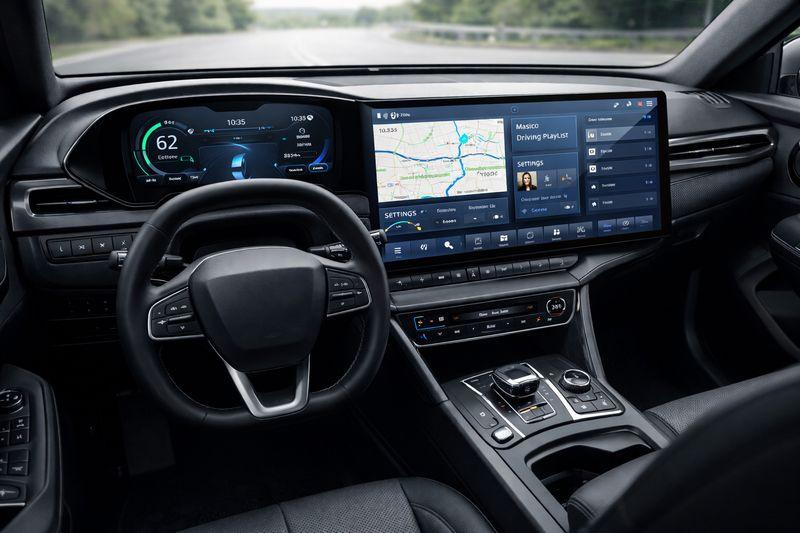
At the center of GM’s strategy is a next-generation electrical architecture designed to support advanced computing and connected vehicle functions.
According to General Motors’ official announcement, the platform is expected to deliver approximately 40 times more computing power than its previous architecture while reducing wiring length and mass.
The technology will support artificial intelligence, advanced driver assistance, vehicle connectivity, and over-the-air software updates.
Rather than depending entirely on hardware upgrades, future vehicles will increasingly receive improvements through digital software.
This development represents an important milestone in the evolution of software-defined vehicles.
Artificial Intelligence Behind the Wheel
GM is also expanding its use of artificial intelligence to improve the driving and ownership experience.
Its planned OnStar AI Assistant will provide personalized vehicle guidance, helping drivers access information and understand vehicle functions more easily.
The company expects to introduce the assistant in the 2027 Cadillac LYRIQ, with additional models following.
Meanwhile, GM is developing autonomous driving capabilities designed to reduce driver involvement in certain approved driving environments.
The company is targeting the introduction of autonomous highway driving in the Cadillac ESCALADE IQ in 2028, subject to successful development and applicable requirements.
Advancing Electric Vehicle Technology
GM’s fourth-generation electric vehicle platform will incorporate new battery chemistry, redesigned propulsion systems, and centralized computing.
The company is developing lithium manganese-rich batteries intended to improve the balance between driving range, cost, and durability.
These developments could help manufacturers make electric vehicles more accessible while maintaining performance and efficiency.
The International Energy Agency’s Global EV Outlook provides broader context on the global transition toward electric mobility.
The Future of Automotive Innovation
The shift toward intelligent vehicles is transforming how cars are designed, manufactured, and maintained.
For consumers, the potential benefits include improved connectivity, personalized experiences, and software capabilities that evolve after purchase.
However, cybersecurity, data privacy, reliability, and regulatory compliance will remain essential considerations.
GM’s latest developments demonstrate how artificial intelligence and electrification are reshaping the future of mobility.
As manufacturers compete to develop increasingly sophisticated vehicles, software innovation is becoming a defining feature of the automotive industry.