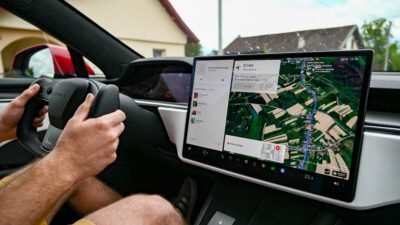
NVIDIA, Wayve and Stellantis Advance AI Self-Driving Cars
Cars That Think for Themselves: NVIDIA, Wayve and Stellantis Push AI Driving Into a New Era
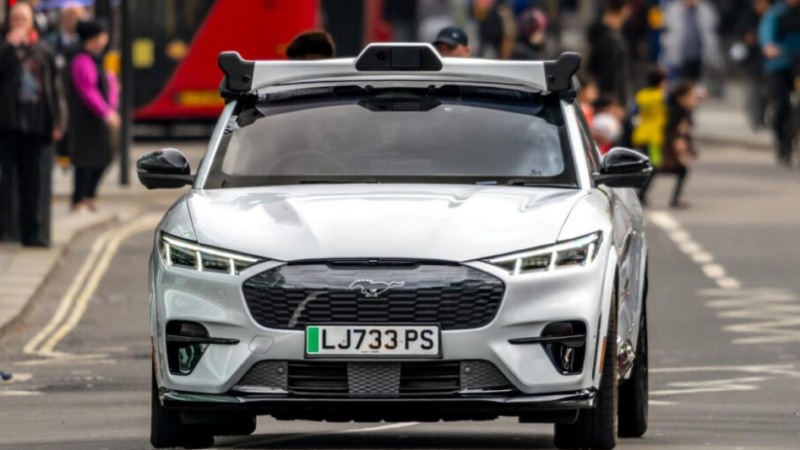
What if your next car could understand a complicated intersection, react to unexpected traffic and navigate busy city streets using artificial intelligence?
That future is moving closer as NVIDIA, Wayve and Stellantis join forces to advance a new generation of AI-powered autonomous vehicles.
The collaboration brings together advanced AI software, powerful computing technology and automotive engineering, with France positioned as a key centre for developing and deploying autonomous driving systems across Europe.
Unlike traditional driver-assistance systems that rely heavily on predefined rules, the technology being developed aims to help vehicles interpret complex real-world situations and make driving decisions using AI.
A Car That Learns to Understand the Road
At the heart of the collaboration is the Wayve AI Driver, an artificial intelligence system designed to interpret driving environments and respond to changing road conditions.
Instead of programming a separate rule for every possible traffic situation, Wayve develops AI models that learn driving behaviour from data.
The goal is to enable vehicles to handle complex environments, including intersections, pedestrians, cyclists and unpredictable traffic.
This approach is part of the broader transformation toward software-defined vehicles, where advanced software increasingly determines how cars operate and evolve.
NVIDIA Brings Powerful AI Computing Into the Vehicle
NVIDIA’s contribution centres on its Hyperion autonomous-driving architecture and Halos operating system.
The platform combines high-performance computing, sensor integration and safety-oriented software designed for automated driving.
These technologies help process information from the vehicle’s surroundings and support the AI systems responsible for interpreting the road.
For autonomous vehicles, computing performance is particularly important because decisions must be made rapidly and consistently as traffic conditions change.
The combination of NVIDIA’s technology and Wayve’s AI Driver is intended to create a foundation for more capable autonomous mobility.
Stellantis Provides the Vehicles
While Wayve develops the AI driving system and NVIDIA supplies the computing architecture, Stellantis contributes its automotive engineering and manufacturing expertise.
The company is bringing its Level 4-ready vehicle platforms into the collaboration.
Level 4 automation refers to vehicles capable of performing the complete driving task without human intervention within specific operating conditions or designated areas.
That does not mean these vehicles can drive autonomously everywhere. Their capabilities depend on the approved operating environment, system limitations and applicable regulations.
By combining these technologies, the partners aim to accelerate the development of autonomous vehicles suitable for future mobility services.
Could This Change the Way We Travel?
One of the most promising applications is autonomous ride-hailing.
Imagine requesting a vehicle through an app, entering your destination and travelling without a human driver behind the wheel.
Such services could eventually reshape urban transportation, particularly in cities where congestion, mobility demand and transportation costs are major concerns.
However, autonomous vehicles still face important challenges involving safety validation, regulation, cybersecurity and public confidence.
The collaboration is focused on developing the technology and supporting future deployment rather than announcing an immediate widespread commercial launch.
Why This Technology Matters
The significance of this development extends beyond one car manufacturer.
It demonstrates how the automotive industry is increasingly combining artificial intelligence, advanced semiconductors and vehicle engineering to create more intelligent transportation systems.
For consumers, the long-term potential includes more convenient mobility, improved accessibility and new approaches to road safety.
For manufacturers, it represents another step toward vehicles whose capabilities depend as much on software and computing power as on engines and mechanical components.
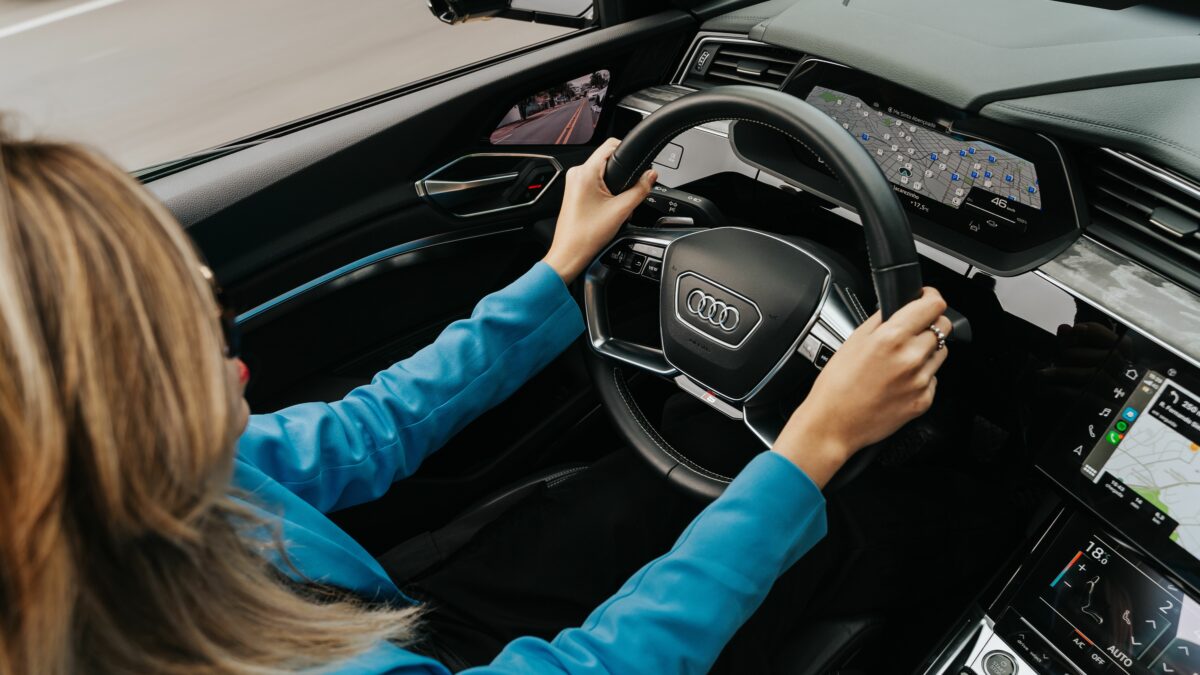
Concepts such as the Audi AI have already explored a future in which autonomous technology fundamentally changes the driving experience.
Now, collaborations between major automotive and technology companies are working to bring elements of that vision closer to practical deployment.
The biggest question is no longer simply whether cars can drive themselves. It is how safely, reliably and widely they can do so in the real world.