7 Simple Car Checks Every UAE Driver Should Know
Keeping your car in good condition does not always require an expensive workshop visit. Some of the most important maintenance checks can be performed at home using basic tools and a few minutes of your time.
In the UAE, where high temperatures, dusty roads and frequent highway driving can place additional demands on vehicles, regular inspections are especially valuable.
Here are seven practical checks that every driver should understand.
1. Check Your Tyre Pressure
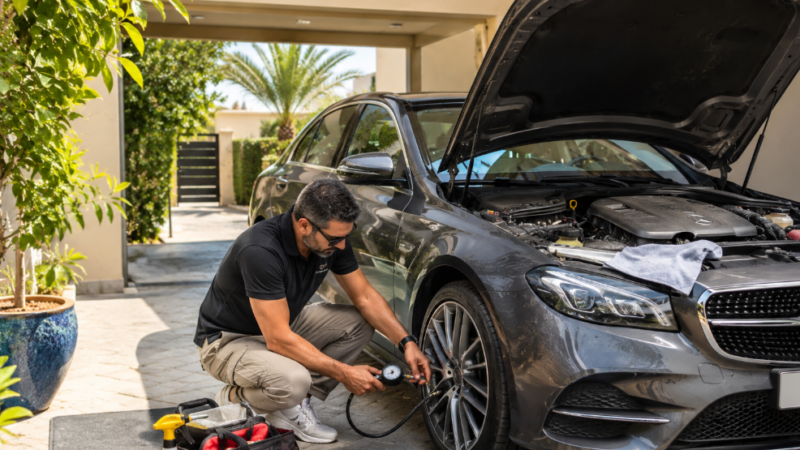
Tyre pressure affects fuel efficiency, handling and road safety.
Underinflated tyres can generate excessive heat, increasing the risk of tyre damage, particularly during hot weather.
Use a reliable pressure gauge when the tyres are cold and follow the manufacturer’s recommended pressure, usually displayed on a label inside the driver’s door.
Avoid using the maximum pressure printed on the tyre sidewall as your normal inflation target.
2. Inspect Your Engine Oil
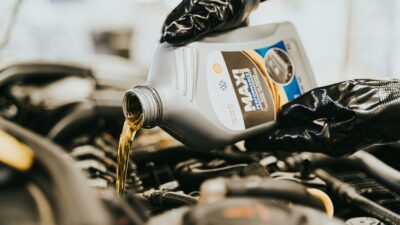
Engine oil lubricates moving components and helps protect the engine against excessive wear.
Park on level ground and follow the manufacturer’s instructions for checking the oil level.
Some vehicles use a traditional dipstick, while others display oil levels electronically.
If the level is low, use only the recommended oil specification.
Repeated oil loss should be investigated by a qualified technician.
3. Monitor Coolant Levels
A properly functioning cooling system is essential in the UAE’s demanding climate.
Check the coolant reservoir when the engine is completely cool.
The fluid should remain between the minimum and maximum markings.
Never open a pressurised coolant cap while the engine is hot, as escaping steam and liquid can cause serious burns.
Frequent coolant loss may indicate a leak requiring professional attention.
4. Inspect Your Car Battery
High temperatures can accelerate battery deterioration.
Look for corrosion around the battery terminals, visible damage or signs of swelling.
Difficulty starting the engine, dim lights or unusual electrical behaviour may indicate a weakening battery.
Avoid touching exposed electrical connections unnecessarily, particularly in hybrid or electric vehicles.
5. Replace Worn Wiper Blades
Although rainfall is relatively limited in many parts of the UAE, windscreen wipers remain important for visibility.
Dust, heat and sunlight can cause rubber blades to deteriorate.
If the blades leave streaks, make unusual noises or fail to clear the glass properly, replacement may be necessary.
Check the windscreen washer fluid regularly.
6. Check Your Lights
Headlights, brake lights, indicators and reversing lights all contribute to road safety.
Ask someone to help inspect your lights, or use a reflective surface where appropriate.
Replace defective bulbs according to the vehicle’s instructions.
Some modern LED lighting systems require specialist servicing.
7. Examine Your Tyre Tread
Tyres should be inspected for uneven wear, cracks, bulges and embedded objects.
Damage to the sidewall can be particularly dangerous.
The National Highway Traffic Safety Administration provides useful guidance on tyre inspection and maintenance.
For additional advice on driving and ownership, explore CarBook Magazine.
Small Checks, Big Benefits
Regular DIY inspections can help drivers identify developing problems before they become expensive repairs.
However, basic checks should never replace scheduled professional servicing.
A few minutes of preventive maintenance can contribute to safer, more reliable driving throughout the year.