The Future of Driving: Key Automotive Technology Trends Shaping 2026
The automotive industry is undergoing one of the most transformative periods in its history. As we move into 2026, cars are no longer just machines for transportation — they are evolving into intelligent, connected ecosystems powered by artificial intelligence, electrification, and advanced automation.
For CarBook readers, understanding these trends is essential, not only for enthusiasts but also for anyone considering their next vehicle purchase. From self-driving capabilities to software-defined vehicles, the future of driving is being rewritten in real time.

1. Advanced Driver Assistance Systems (ADAS) Become Standard
In 2026, ADAS is no longer a luxury — it is an expectation. Features such as adaptive cruise control, lane-keeping assist, automatic emergency braking, and blind-spot monitoring are now standard across most new vehicles.
What’s new is the level of sophistication. AI-powered systems are becoming more predictive rather than reactive. Cars can now anticipate potential hazards by analyzing traffic patterns, driver behavior, and environmental data.
This shift significantly enhances safety and reduces human error, which remains the leading cause of road accidents globally.
2. The Rise of Level 3 and Level 4 Autonomy
Autonomous driving has taken a major leap forward. In 2026, several manufacturers have successfully introduced Level 3 autonomy, allowing drivers to take their hands off the wheel under certain conditions.
Level 4 autonomy is also being tested in controlled environments such as:
- Smart cities
- Dedicated highways
- Ride-hailing fleets
These vehicles can operate without human intervention in specific scenarios, marking a crucial step toward fully autonomous transportation.
However, regulatory frameworks and infrastructure readiness remain key challenges that will shape how quickly these technologies scale globally.
3. Electric Vehicles Dominate the Market
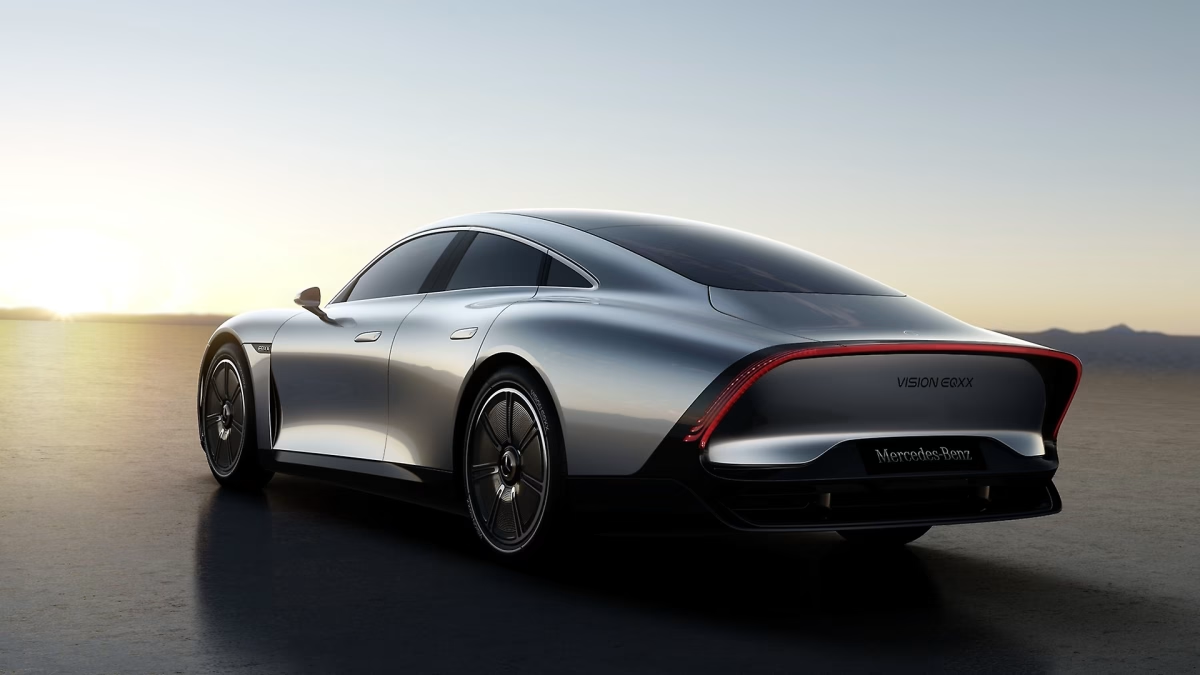
Electrification is no longer the future — it is the present. By 2026, electric vehicles (EVs) account for a significant share of new car sales worldwide.
Key advancements include:
- Ultra-fast charging (10–15 minutes for 80% charge)
- Extended battery ranges exceeding 700 km
- Improved battery durability and lower costs
Automakers are also focusing on sustainable materials and production methods, aligning with global environmental goals.
The shift toward EVs is not just about reducing emissions — it is about redefining performance, efficiency, and ownership experience.
4. Software-Defined Vehicles (SDVs)
One of the most disruptive trends in 2026 is the rise of software-defined vehicles. Unlike traditional cars, SDVs rely heavily on software to control functions, features, and updates.
This means:
- Over-the-air (OTA) updates for new features
- Subscription-based services (e.g., performance upgrades, premium infotainment)
- Continuous improvement without visiting a dealership
Cars are becoming more like smartphones — evolving over time rather than remaining static after purchase.
For consumers, this brings flexibility. For manufacturers, it opens new revenue streams.
5. AI-Powered Digital Cockpits
The interior of modern vehicles has transformed into a digital command center. AI-powered infotainment systems now offer:
- Voice-controlled assistants
- Personalized driver profiles
- Real-time navigation with predictive routing
- Integration with smart home devices
In 2026, cars can learn driver preferences — from seat position to climate control — and automatically adjust settings.
Some systems even monitor driver fatigue and alertness, enhancing safety while improving comfort.
6. Vehicle-to-Everything (V2X) Connectivity
Connectivity is at the core of modern automotive innovation. V2X technology allows vehicles to communicate with:
- Other vehicles (V2V)
- Infrastructure (V2I)
- Pedestrians (V2P)
- Networks (V2N)
This creates a smarter traffic ecosystem where cars can:
- Avoid collisions
- Optimize traffic flow
- Receive real-time updates on road conditions
In smart cities, this technology is already being integrated into urban planning, paving the way for safer and more efficient transportation systems.
7. Sustainability Beyond Electrification
While EVs are leading the sustainability movement, automakers are going further by rethinking the entire lifecycle of vehicles.
Innovations include:
- Recycled and eco-friendly interior materials
- Carbon-neutral manufacturing processes
- Battery recycling programs
- Lightweight designs to improve efficiency
Sustainability is no longer a marketing angle — it is a core business strategy.
8. Enhanced Safety Through Automation
Automation is playing a crucial role in improving road safety. Beyond ADAS, new systems in 2026 include:
- Automated emergency steering
- Intersection collision avoidance
- AI-driven hazard detection
These technologies work together to create a protective layer around the driver, significantly reducing the risk of accidents.
Insurance companies are also adapting, offering incentives for vehicles equipped with advanced safety systems.
9. Mobility as a Service (MaaS)
The concept of car ownership is evolving. Mobility as a Service (MaaS) is gaining traction, particularly in urban areas.
Instead of owning a vehicle, users can access transportation through:
- Ride-hailing platforms
- Car-sharing services
- Subscription-based vehicle access
Autonomous fleets are expected to accelerate this trend, offering convenient and cost-effective mobility solutions.
10. The Driving Experience Redefined
Despite all the automation, driving is not disappearing — it is being redefined.
Manufacturers are offering dual experiences:
- Autonomous mode for convenience
- Manual mode for driving enthusiasts
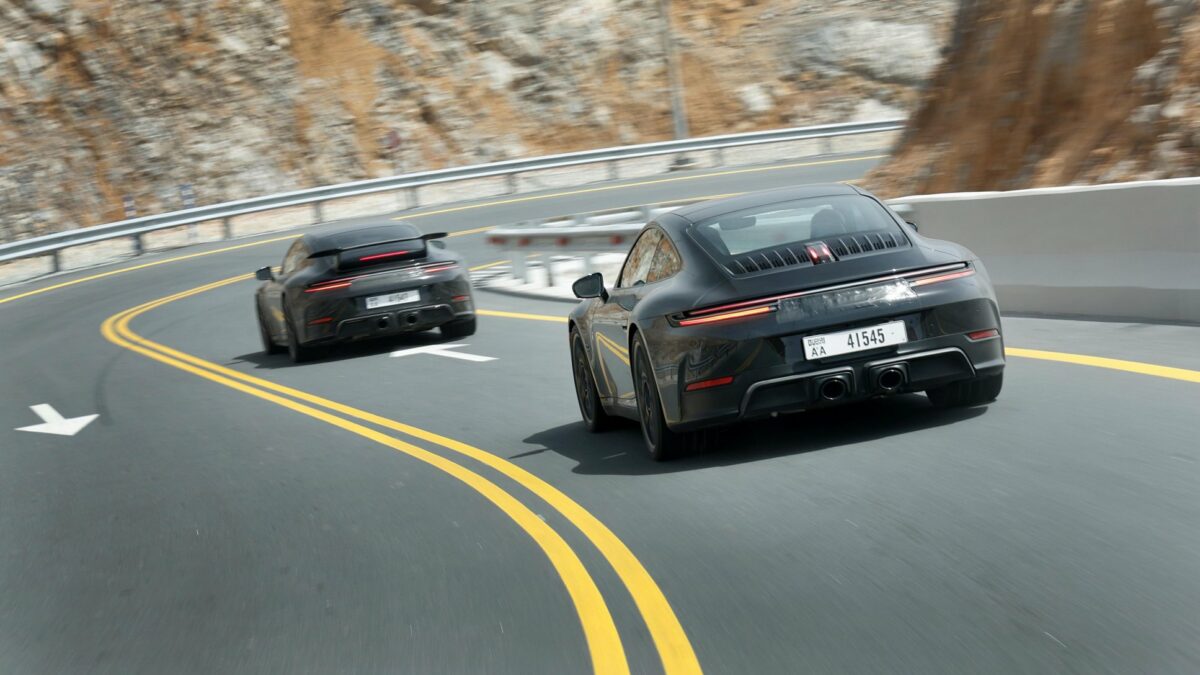
Performance cars, especially, are integrating technology without compromising the thrill of driving.
This balance ensures that technology enhances the experience rather than replacing it.
Conclusion
The automotive landscape in 2026 is defined by innovation, intelligence, and sustainability. From autonomous driving to connected ecosystems, cars are becoming smarter, safer, and more adaptable than ever before.
For CarBook readers, this is an exciting time. The vehicles of today are laying the foundation for a future where mobility is seamless, efficient, and deeply integrated into our digital lives.
The question is no longer if these technologies will dominate — but how quickly they will reshape the way we move.