Automotive Technology 2026: The Intelligent Evolution of Mobility
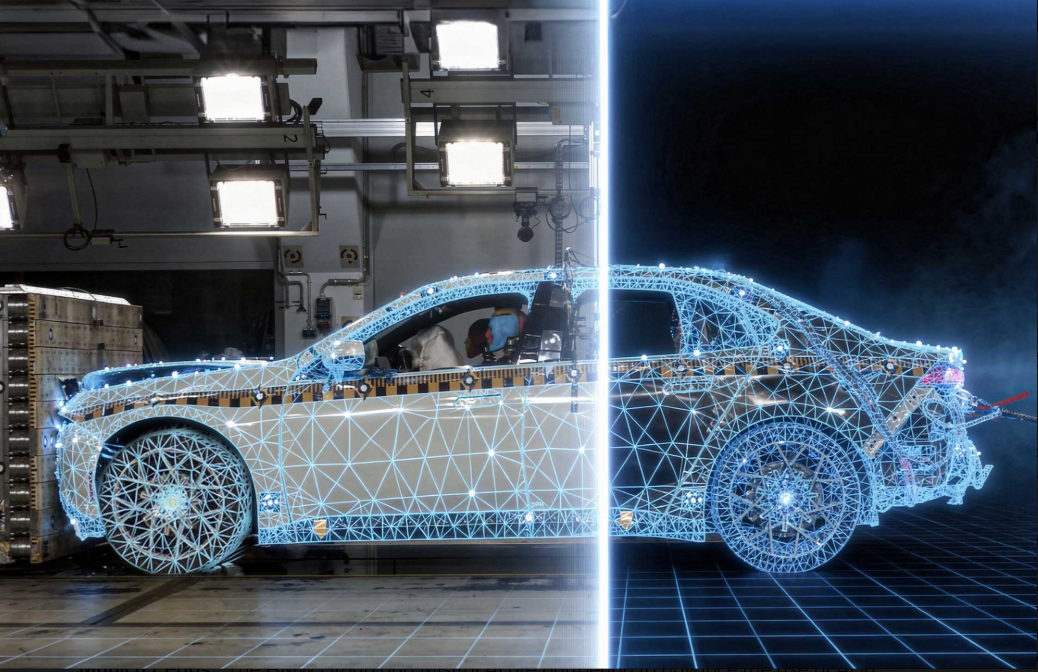
The automotive industry in 2026 is undergoing one of the most transformative phases in its history. What was once driven by mechanical engineering is now dominated by software, artificial intelligence, and sustainable innovation. Vehicles are no longer just transportation tools—they are intelligent systems that learn, adapt, and integrate seamlessly into our digital lives.
One of the most defining pillars of this transformation is the rise of software-defined vehicles (SDVs). Unlike traditional cars, where features are fixed at the point of purchase, SDVs operate more like smartphones. Manufacturers now deliver continuous updates via over-the-air (OTA) technology, enabling vehicles to improve performance, introduce new features, and enhance safety long after leaving the showroom. This shift is redefining ownership—drivers are no longer buying a static product, but a continuously evolving experience.
Artificial intelligence is at the core of this evolution. In 2026, AI is not just assisting drivers—it is actively learning from them. Modern vehicles analyze driving behavior, preferences, and real-time environmental data to optimize everything from route planning to energy consumption. Advanced driver assistance systems (ADAS) have reached a level where highway driving, lane changes, and adaptive cruise control are handled with remarkable precision. While full autonomy is still being refined, Level 3 and Level 4 systems are becoming increasingly practical in controlled environments.
Electrification continues to accelerate, but the conversation has shifted from adoption to optimization. The focus is now on battery innovation, particularly solid-state technology. These next-generation batteries promise higher energy density, faster charging times, and improved safety compared to traditional lithium-ion systems. Some prototypes are already achieving ranges exceeding 700 kilometers, with charging times reduced to under 15 minutes for 80% capacity.
Charging infrastructure is also evolving rapidly. Ultra-fast charging networks are expanding globally, reducing range anxiety and making electric vehicles more viable for long-distance travel. In urban environments, wireless charging and smart grid integration are beginning to emerge, allowing vehicles to charge seamlessly while parked or even in motion on specialized roads.
Inside the vehicle, the concept of the cabin is being completely reimagined. Digital cockpits now feature augmented reality (AR) displays, projecting navigation cues directly onto the windshield. This not only enhances convenience but also improves safety by minimizing driver distraction. Voice assistants have evolved into conversational AI systems capable of understanding context, tone, and intent—transforming how drivers interact with their vehicles.
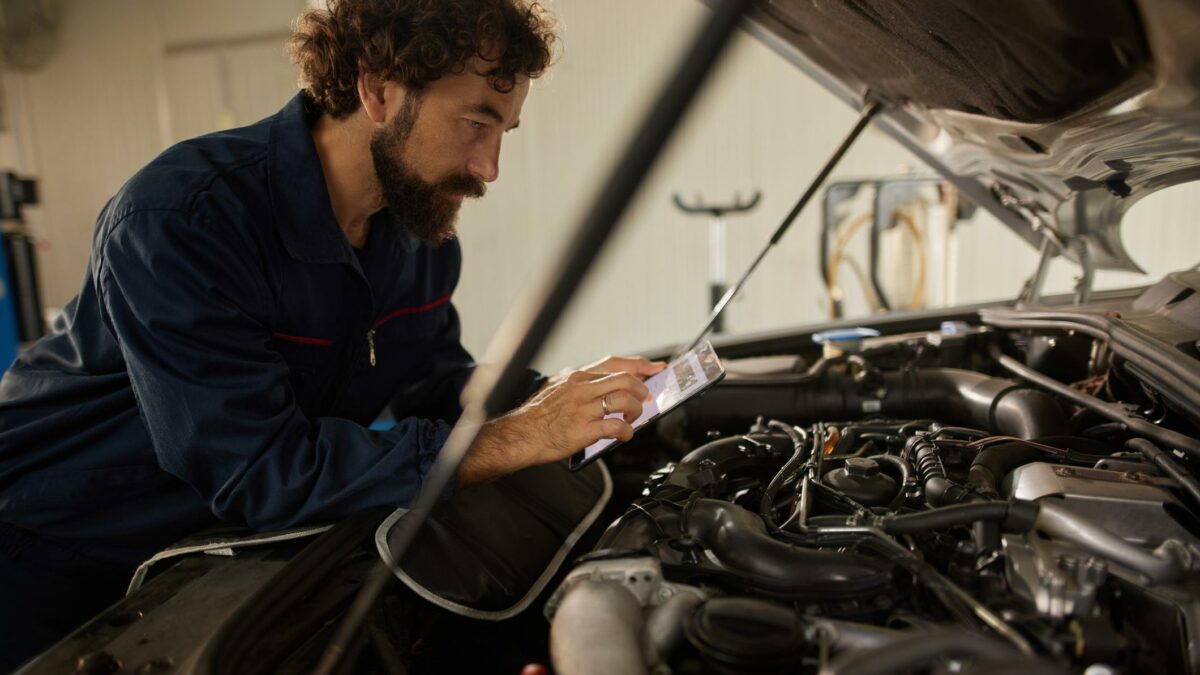
Connectivity is another critical aspect shaping the 2026 automotive landscape. Vehicles are now part of a broader ecosystem, communicating with smartphones, smart homes, and even city infrastructure. Real-time traffic updates, predictive maintenance alerts, and cloud-based personalization ensure that every journey is optimized for efficiency and comfort.
Sustainability extends beyond electric powertrains. Automakers are increasingly adopting eco-friendly materials, including recycled plastics, plant-based textiles, and vegan leather alternatives. Manufacturing processes are also becoming more environmentally responsible, with many brands committing to carbon-neutral production facilities.
Cybersecurity has also become a top priority. As vehicles become more connected, protecting data and preventing unauthorized access is critical. Advanced encryption systems and secure software architectures are now integral components of modern vehicle design.
Looking ahead, the automotive industry is moving toward a future where vehicles are autonomous, sustainable, and deeply integrated into our daily lives. The challenge for manufacturers is not just innovation—but delivering technology that enhances the human experience without overwhelming it.
In 2026, the car is no longer just a machine. It is a smart companion—one that evolves, adapts, and redefines mobility as we know it.