Why Modern Cars Feel Less Exciting

Why Modern Cars Feel Less Exciting in 2026 | CarBook Magazine
Most cars today are faster than ever.
Acceleration is instant. Handling is precise. Technology is smarter than anything we’ve seen before.
So why do fewer cars actually feel exciting to drive?
That question sits at the center of a growing conversation in the automotive world. Because while numbers continue to improve, the emotional connection between driver and machine seems to be fading.
Speed Has Reached Its Peak — Emotion Has Not
If you measure progress through performance data, the industry has never been better.
Cars today can reach 100 km/h faster than supercars could just a decade ago. Electric vehicles deliver torque instantly, eliminating the delay that once defined acceleration. Even entry-level models now offer levels of refinement that used to belong to luxury segments.
On paper, everything has improved.
But driving has never been just about numbers.
It’s about how a car makes you feel — and that’s where modern vehicles are beginning to fall short.
The Shift Toward Efficiency and Control
Over the past decade, manufacturers have been forced to adapt to changing priorities.
Environmental regulations, safety requirements, and technological advancements have reshaped how cars are built. Efficiency is no longer optional. Neither is automation.
As a result, modern vehicles are designed to be:
- Safer
- Cleaner
- More reliable
- More predictable
All of these are positive developments.
But they come at a cost.
Because in the process of removing risk, manufacturers have also removed many of the elements that made driving exciting.
When Perfection Becomes Predictable
Modern cars are engineered to eliminate mistakes.
Electronic stability systems correct oversteer before the driver even notices it. Steering inputs are filtered for precision. Suspensions adapt instantly to road conditions.
Everything is controlled.
And that’s the problem.
Because excitement often comes from unpredictability — from the feeling that the car is alive, not just responding, but interacting.
When everything becomes perfect, it also becomes predictable.
And predictable rarely feels exciting.
Electric Vehicles: Speed Without Drama
Electric vehicles have redefined performance.
They are faster off the line than most combustion engines. Their power delivery is smooth, immediate, and relentless.
But something is missing.
There is no buildup of sound. No vibration. No mechanical rhythm.
The drama that once defined acceleration has disappeared.
Driving an EV can feel like being launched forward — efficient, powerful, but strangely silent.
For many drivers, that silence translates into a lack of emotional engagement.
The Disappearing Role of the Driver
Technology has made driving easier than ever.
Features such as adaptive cruise control, lane assist, and automated braking systems have reduced the need for constant driver input.
Cars are now capable of:
- Maintaining speed
- Staying within lanes
- Avoiding collisions
All with minimal effort.
But as the car takes over more responsibility, the driver becomes less involved.
And with less involvement comes less engagement.
Driving shifts from an active experience to a passive one.
Why Classic Cars Still Feel Alive
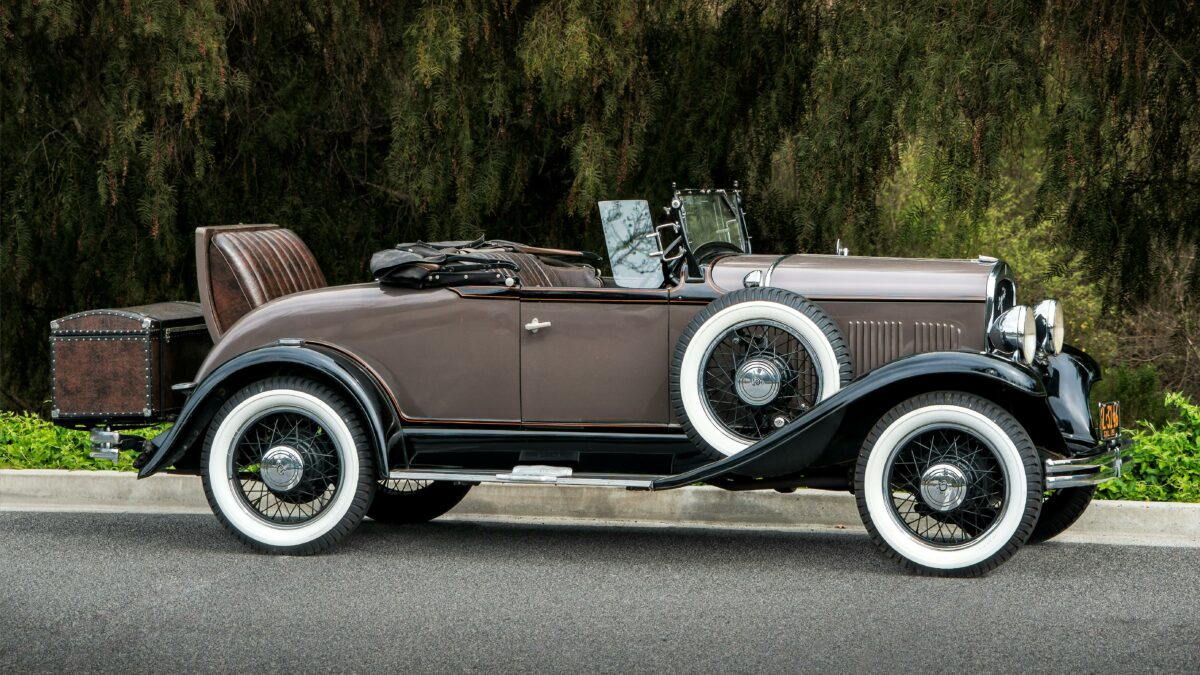
This is why many enthusiasts continue to turn to classic cars.
Not because they are faster — they are not.
But because they demand more.
Classic cars require:
- Constant attention
- Precise inputs
- Mechanical understanding
They don’t hide imperfections.
They expose them.
And in doing so, they create a stronger connection between driver and machine.
Every movement feels earned.
Every response feels real.
The Importance of Feedback
One of the biggest losses in modern cars is feedback.
Older vehicles communicated through:
- Steering resistance
- Engine sound
- Pedal feel
- Road vibrations
These signals told the driver what the car was doing.
Today, much of that communication has been filtered out.
Electric steering systems isolate the driver from the road. Cabin insulation removes external noise. Digital interfaces replace physical interaction.
The result is a smoother experience — but a less engaging one.
Design Has Changed the Experience
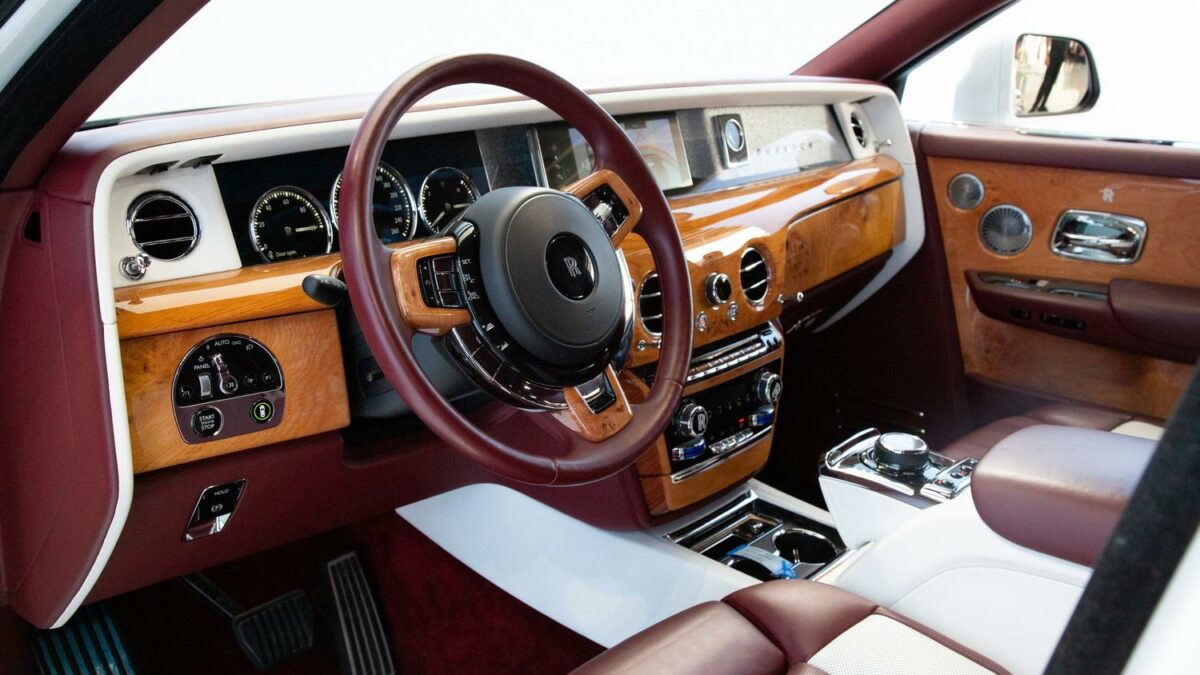
Interior design has also shifted dramatically.
Modern cabins prioritize:
- Large touchscreens
- Minimalist layouts
- Digital controls
Physical buttons are disappearing. Mechanical interaction is being replaced by software.
While this creates a cleaner aesthetic, it reduces tactile engagement.
Touchscreens are efficient, but they don’t provide the same satisfaction as physical controls.
Driving becomes more about managing a system than interacting with a machine.
Regulations and Their Impact
It’s important to recognize that much of this change is not optional.
Global regulations have forced manufacturers to rethink performance.
Emissions laws limit engine design. Noise restrictions reduce sound output. Safety standards require additional systems that influence handling.
These constraints are necessary.
But they also shape how cars feel.
Performance is no longer just about engineering — it’s about compliance.
The Rise of “Safe Performance”
Modern cars are incredibly capable.
But they are designed to keep the driver within safe limits.
Even high-performance vehicles now prioritize stability over raw behavior.
This creates a new category:
Safe performance.
Cars are fast, but controlled. Powerful, but filtered.
They deliver speed without requiring skill.
And while that makes driving more accessible, it reduces the sense of achievement.
A New Demand from Drivers
Despite these changes, something interesting is happening.
Drivers are beginning to notice.
There is a growing desire for:
- More engagement
- More emotion
- More connection
People are no longer satisfied with speed alone.
They want to feel involved.
They want driving to mean something again.
The Industry Is Responding
Some manufacturers are starting to adapt.
We are seeing:
- Driver-focused EV designs
- Simulated engine sounds
- More analog-inspired interiors
Even as technology advances, there is an effort to bring back emotion.
Because the future of cars cannot rely on performance alone.
It must include experience.
Because in the End…
A car can be faster, safer, and more advanced than ever.
But if it doesn’t make you feel anything…
Then something is missing.