Why Modern Cars Feel Less Exciting
Most modern cars are faster than ever.
But fewer of them actually feel exciting.
So what changed?
You press the accelerator.
The car responds instantly. Smooth. Fast. Effortless.
But something feels missing.
There’s no drama. No tension. No sense of build-up.
Just speed — without emotion.
Speed Has Never Been the Problem
If you look at performance numbers, the automotive industry has never been stronger.
Acceleration times are faster than ever. Electric vehicles deliver instant torque. Even everyday cars now perform at levels that were once reserved for high-end sports models.
On paper, everything has improved.
But driving has never been just about numbers.
It’s about how the car makes you feel — and that’s where things have changed.
The Shift from Emotion to Efficiency
Modern car design is no longer driven by emotion first.
Instead, manufacturers focus on:
- Efficiency
- Safety
- Technology
- Sustainability
These priorities have reshaped the entire driving experience.
Cars today are smarter, cleaner, and more controlled.
But in the process, something important has been reduced.
Emotional engagement.
👉 Check more on Automotive Trends
When Driving Became Predictable
Modern cars are engineered to eliminate mistakes.
Electronic systems adjust traction instantly. Steering is optimized for precision. Suspension adapts automatically to road conditions.
Everything works perfectly.
But perfection can feel predictable.
And predictable rarely feels exciting.
Because excitement comes from:
- Feedback
- Slight unpredictability
- Interaction
Without these, driving becomes passive.
Electric Power: Fast but Silent
Electric vehicles have changed the definition of performance.
They are:
- Faster off the line
- Smoother in delivery
- More efficient than combustion engines
But they lack something many drivers didn’t realize they valued.
Sound.
Vibration.
Mechanical character.
Speed alone is not enough.
Because sometimes, what drivers miss isn’t performance.
It’s personality.
👉 Check this Artcile as well Automotive News
The Disappearing Driver
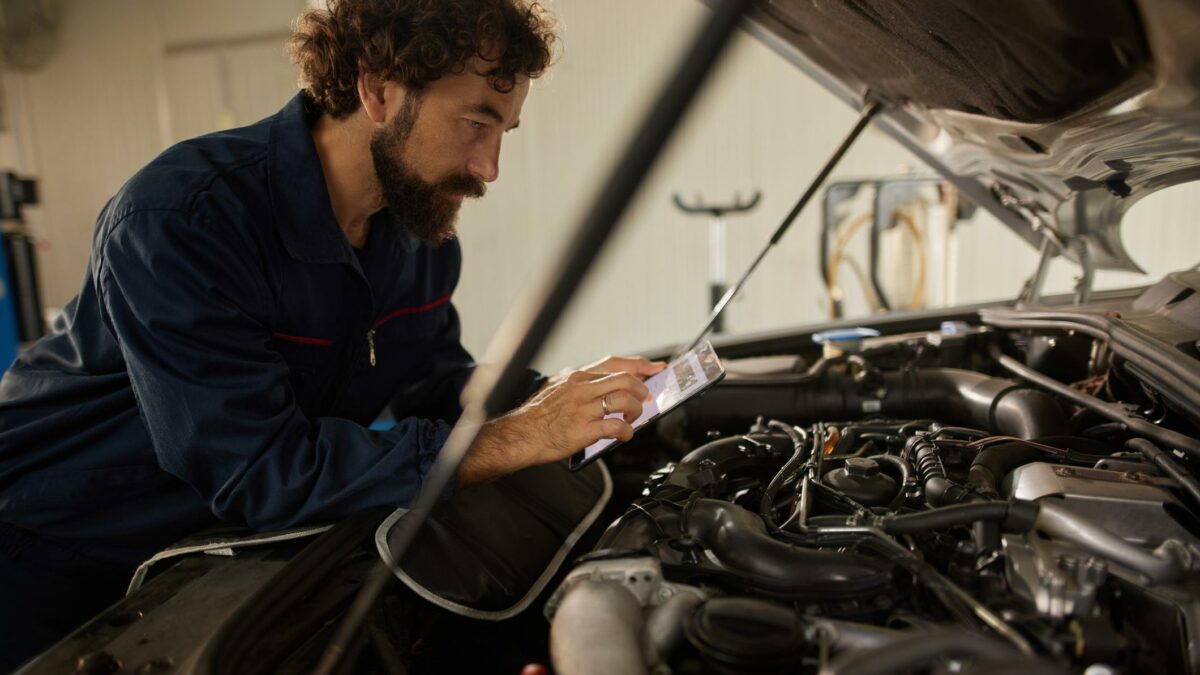
Technology has made driving easier than ever.
Features like:
- Adaptive cruise control
- Lane assist
- Automatic braking
Reduce the need for driver input.
But they also reduce involvement.
The car does more.
The driver does less.
And when involvement disappears, so does engagement.
Why Classic Cars Still Matter
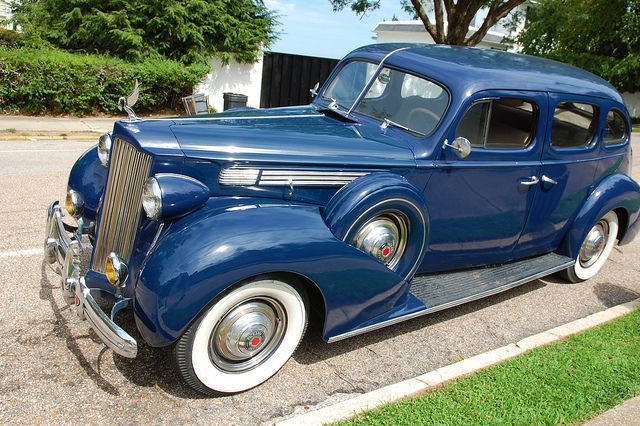
This is why classic cars continue to hold emotional value.
Not because they are faster.
But because they feel alive.
Classic cars require:
- Attention
- Skill
- Awareness
They don’t filter the experience.
They deliver it raw.
👉 Check the Technology News
The Feeling You Can’t Measure
There is no metric for excitement.
You can’t measure:
- Steering feedback
- Engine character
- Driver connection
Yet these are the elements that define driving.
Modern cars optimize everything measurable.
But emotion isn’t measurable.
And that’s why it’s often overlooked.
Design Has Changed the Experience
Car interiors have become cleaner and more minimal.
Large screens replace physical controls.
Touch interfaces replace buttons.
Digital dashboards replace analog feedback.
While this improves convenience, it reduces interaction.
Driving becomes less physical.
Less tactile.
Less engaging.
Because Sometimes, the Problem Isn’t Speed
It’s easy to assume modern cars lack excitement because they are too fast or too controlled.
But the real issue is deeper.
Cars have become machines that deliver performance.
Instead of experiences that create emotion.
Regulations and Their Impact
Modern vehicles are shaped by strict regulations.
Safety standards, emissions laws, and noise restrictions all influence design.
These rules are necessary.
But they also limit:
- Engine sound
- Driving dynamics
- Mechanical expression
Which directly affects how a car feels.
The Rise of Safe Performance
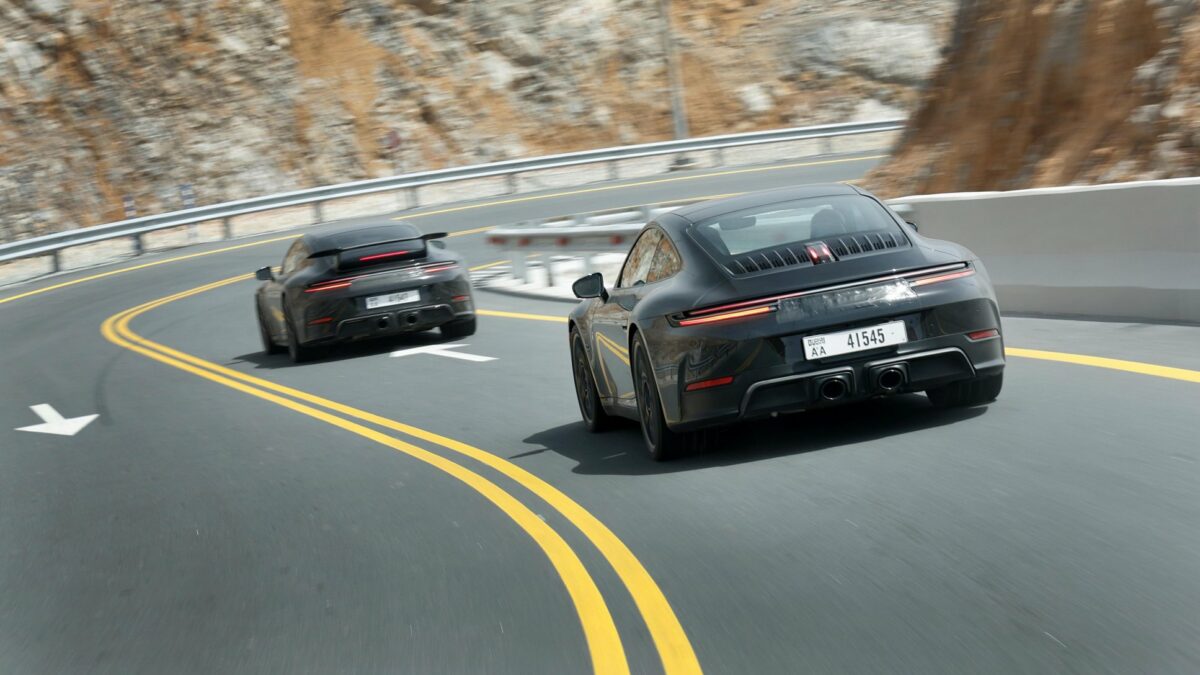
Today’s cars are incredibly capable.
But they are designed to keep everything under control.
Even high-performance models are built to:
- Prevent loss of control
- Maintain stability
- Reduce risk
This creates a new type of driving experience.
Fast — but filtered.
Powerful — but controlled.
Drivers Are Starting to Notice
More drivers are beginning to feel this shift.
They don’t just want faster cars.
They want:
- More engagement
- More connection
- More feeling
Because driving is not just transportation.
It’s an experience.
The Industry Is Slowly Responding
Some manufacturers are starting to bring emotion back.
We are seeing:
- Driver-focused electric cars
- Simulated engine feedback
- More engaging interiors
The goal is to balance technology with experience.
Because the future of driving cannot rely on performance alone.
Because in the End…
A car can be faster, smarter, and more advanced than ever.
But if it doesn’t make you feel anything…
Is it really exciting?
🔗 You May Also Like
- Automotive Trends Shaping 2026
- Electric Performance Cars Explained
- Classic Cars That Defined Generations