How the UAE Is Driving Smart Mobility

The Future of Smart and Electric Vehicles in the GCC: Why the UAE Is Leading the Region’s Mobility Revolution
For decades, the Gulf Cooperation Council (GCC) was known as one of the world’s largest markets for powerful petrol-powered vehicles. Large SUVs, luxury sedans, and high-performance sports cars dominated roads across the United Arab Emirates, Saudi Arabia, Qatar, Kuwait, Bahrain, and Oman.
The automotive industry across the Gulf Cooperation Council (GCC) is undergoing one of the most significant transformations in its history. For decades, the region was known for its love of large petrol-powered SUVs, luxury sedans, and high-performance sports cars. Today, however, a new generation of mobility is emerging, driven by electric vehicles (EVs), artificial intelligence, connected technologies, and smart transportation systems. As governments across the Gulf pursue sustainability goals and invest in advanced infrastructure, the future of transportation is becoming increasingly electric, intelligent, and connected.
Among GCC countries, the United Arab Emirates has established itself as a leader in this transition. Through ambitious smart city initiatives, investments in clean energy, and support for innovative transportation solutions, the UAE is helping shape the future of mobility not only in the Middle East but on a global scale.
The Shift Toward Electric Mobility
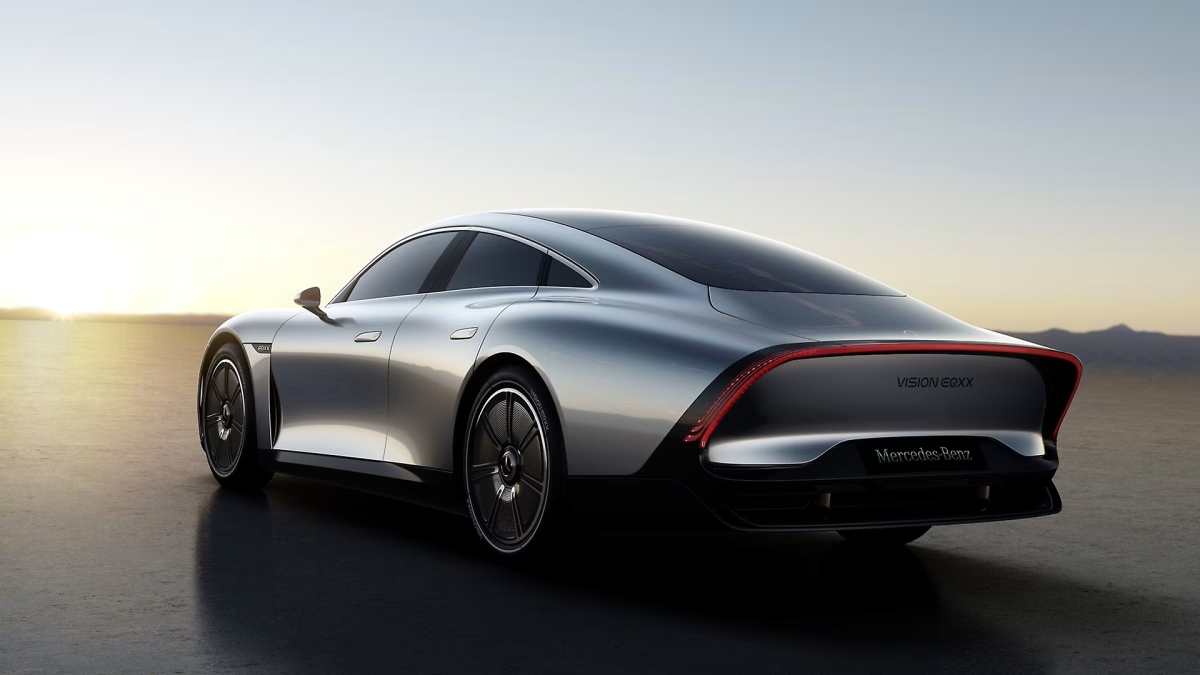
Electric vehicles are becoming more common across the GCC as consumers and businesses recognize their long-term benefits. Improvements in battery technology, increasing driving ranges, and the expansion of charging networks have made EVs more practical than ever before.
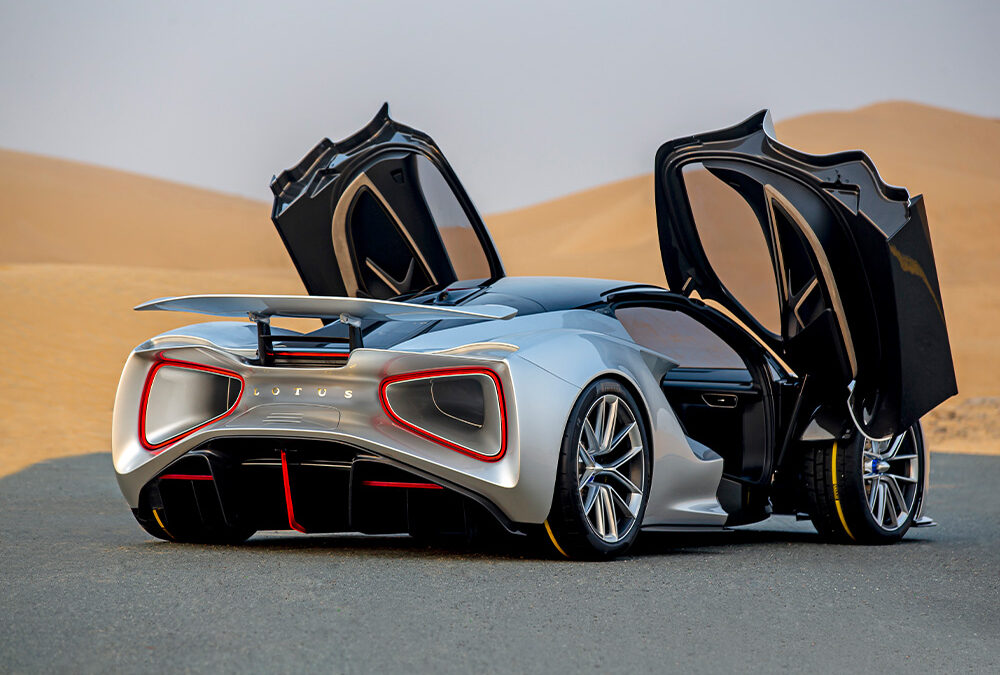
Governments throughout the region are encouraging the adoption of electric vehicles as part of broader sustainability strategies. These efforts aim to reduce carbon emissions, improve air quality, and diversify economies beyond traditional energy sectors. As a result, consumers now have access to a growing range of electric models, from compact city cars to luxury SUVs and high-performance electric vehicles.
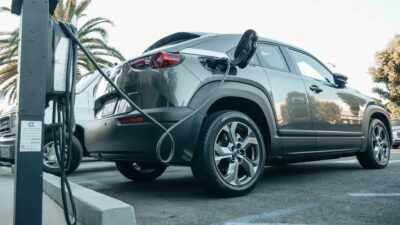
The UAE has been particularly proactive in developing EV-friendly infrastructure. Charging stations are becoming increasingly available at shopping malls, residential communities, hotels, office towers, and along major highways. This growing network is helping reduce concerns about vehicle range and making electric ownership more convenient for residents and visitors alike.
Smart Cars and Connected Technology
The future vehicle is not simply electric—it is connected. Modern smart cars are equipped with advanced software systems that allow them to communicate with drivers, mobile devices, cloud services, and even surrounding infrastructure.
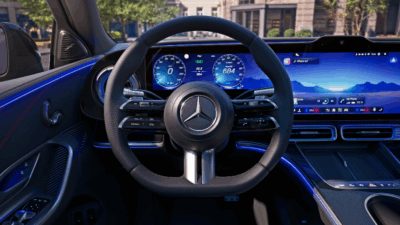
Connected vehicles provide real-time navigation updates, remote diagnostics, predictive maintenance alerts, and over-the-air software updates. Drivers can monitor vehicle performance through smartphone applications, schedule charging sessions remotely, and receive notifications about maintenance requirements before problems occur.
These technologies are transforming the driving experience by making vehicles safer, more efficient, and easier to manage. As digital lifestyles become increasingly important, consumers are beginning to view a vehicle’s technological capabilities as just as important as its performance, comfort, or design.
Artificial Intelligence on the Road
Artificial intelligence is rapidly becoming one of the most influential technologies in the automotive sector. AI systems are helping vehicles learn from driving patterns, optimize energy usage, improve navigation routes, and enhance safety features.
Modern driver-assistance technologies already use AI to support functions such as adaptive cruise control, lane-keeping assistance, collision avoidance, and automated parking. Future vehicles will go even further, using advanced algorithms to personalize the driving experience and improve decision-making in real time.
In the GCC, where governments are investing heavily in digital transformation and AI innovation, the integration of artificial intelligence into transportation systems is expected to accelerate over the coming decade.
The Rise of Autonomous Driving
Self-driving technology has moved from science fiction to reality. While fully autonomous vehicles are still being developed and tested, the GCC is emerging as one of the most promising regions for their future deployment.
Several factors support this development, including modern road infrastructure, advanced telecommunications networks, and strong government support for innovation. Cities such as Dubai are actively exploring how autonomous transportation can improve traffic flow, reduce congestion, and enhance urban mobility.
Driverless taxis, autonomous buses, and intelligent public transportation systems are already being tested in various forms. Although widespread adoption may take time, experts believe autonomous mobility will become an increasingly important part of the region’s transportation ecosystem during the next decade.
Smart Cities Driving Change
The growth of smart vehicles is closely linked to the development of smart cities. Across the GCC, governments are investing in technologies that connect transportation systems with digital infrastructure, creating more efficient and sustainable urban environments.
In a smart city, vehicles can communicate with traffic signals, parking systems, road infrastructure, and public transportation networks. This connectivity helps reduce congestion, improve safety, and optimize travel times.
Dubai has positioned itself as a global leader in smart city innovation, integrating digital technologies across multiple sectors. Transportation remains one of the key pillars of this strategy, with significant investments being made to support future mobility solutions.
New Opportunities for Consumers
The transition toward electric and intelligent vehicles is creating new opportunities for consumers throughout the GCC.
Electric vehicles typically require less maintenance than traditional petrol-powered cars because they contain fewer moving parts. Owners also benefit from lower operating costs, especially when electricity prices remain competitive compared to fuel costs.
In addition, advanced technology features provide greater convenience, safety, and personalization. Drivers can enjoy seamless connectivity, enhanced navigation, and access to software updates that continuously improve vehicle performance.
As competition increases among manufacturers, consumers can also expect a wider selection of models and more affordable options in the years ahead.
The Growing Role of Chinese Manufacturers
One of the most notable trends in the regional automotive market is the rapid expansion of Chinese electric vehicle manufacturers. Many of these companies are introducing advanced EVs that combine modern design, cutting-edge technology, and competitive pricing.
The GCC has become an attractive destination for these brands due to its strong purchasing power, growing infrastructure, and openness to innovation. Their arrival is increasing competition and accelerating the pace of technological development across the industry.
As a result, buyers now have more choices than ever before when considering electric and smart vehicle options.
Challenges Ahead
Despite the positive outlook, several challenges remain. Electric vehicles often have higher upfront purchase prices compared to conventional vehicles, although operating costs can be lower over time. Charging infrastructure continues to expand, but coverage in some remote areas remains limited.
Consumer education is another important factor. Many potential buyers still have questions about battery lifespan, charging times, resale values, and maintenance requirements. Addressing these concerns will be essential for accelerating adoption across the region.
Nevertheless, continued technological progress and government support are expected to overcome many of these obstacles.
Looking Toward 2035
The GCC automotive landscape is expected to look dramatically different by 2035. Electric vehicles will likely account for a much larger share of new vehicle sales, while connected technologies and artificial intelligence become standard features rather than premium options.
Autonomous transportation systems will continue to evolve, and smart cities will integrate vehicles more closely with digital infrastructure. Consumers will benefit from cleaner transportation, enhanced convenience, and safer roads.
For the UAE and the wider Gulf region, the future of mobility represents far more than a change in vehicle technology. It reflects a broader commitment to innovation, sustainability, and economic diversification. As smart and electric vehicles continue to gain momentum, the GCC is positioning itself at the forefront of the next generation of global transportation.