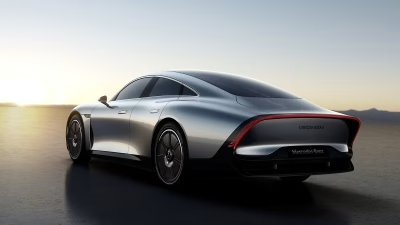
UAE’s EV Charging Boom
What happens when thousands of drivers switch to electric cars—but charging stations struggle to keep up? In the UAE, the shift toward electric vehicles is accelerating faster than ever, raising one critical question: is the country truly ready for a fully electric future?
The UAE has always positioned itself at the forefront of innovation, from futuristic architecture to smart city initiatives. Now, the country is rapidly advancing toward another transformation—the electrification of mobility. Electric vehicles (EVs), once considered niche, are quickly becoming part of everyday life in cities like Dubai and Abu Dhabi.
But while EV adoption is rising, the real backbone of this transition lies in one critical factor: charging infrastructure.
The Rise of Electric Vehicles in the UAE
Over the past few years, the number of EVs on UAE roads has grown significantly. Government incentives, sustainability goals, and the rising cost of fuel have all contributed to this shift.
Brands like Tesla, BYD, and other global manufacturers are expanding their presence in the region, offering a wide range of electric models—from compact city cars to luxury SUVs.
This surge in adoption reflects a broader global movement, but in the UAE, it carries added significance. The country’s commitment to reducing carbon emissions and achieving sustainability targets has made EVs a central part of its long-term vision.
Charging Infrastructure: The Real Challenge
While buying an EV has become easier, charging it efficiently remains a key concern for many drivers.
The UAE has made impressive progress in expanding charging networks. Dubai Electricity and Water Authority (DEWA) has introduced multiple charging stations across the city, while ADNOC has also entered the EV charging space.
However, as demand increases, the pressure on infrastructure grows.
Key challenges include:
- Availability during peak hours
- Charging speed differences
- Coverage in residential areas
For many drivers, the convenience of charging will determine whether they fully commit to electric mobility.
Fast Charging vs Home Charging
EV users in the UAE typically rely on two main charging methods: public fast chargers and home charging setups.
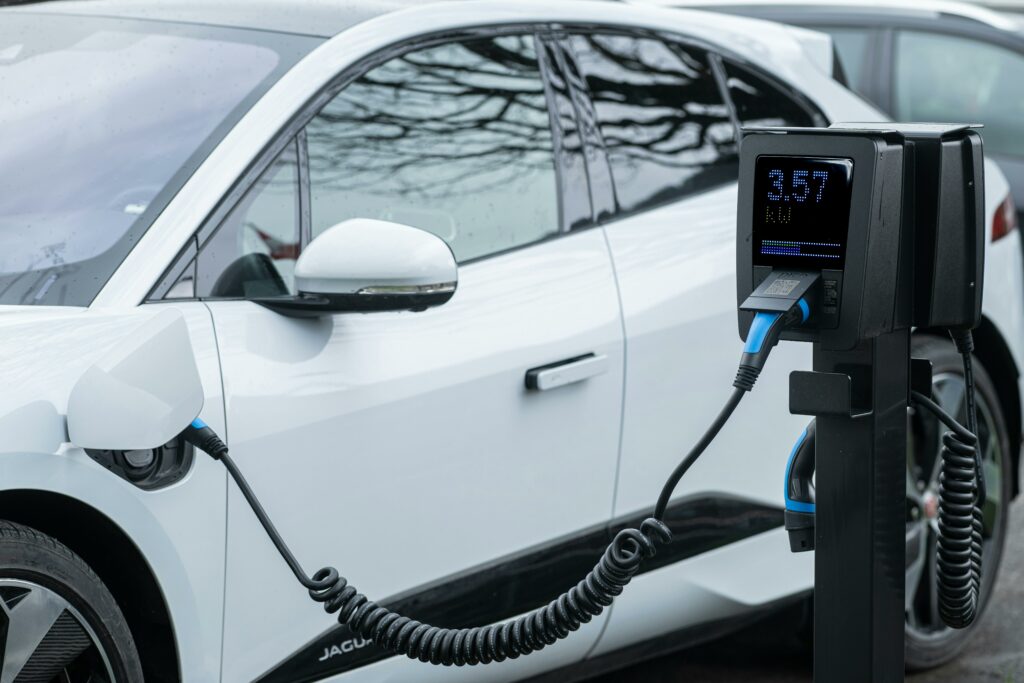
Fast chargers are ideal for quick top-ups, especially during long drives. These stations can charge a vehicle up to 80% in under an hour, making them essential for highway travel.
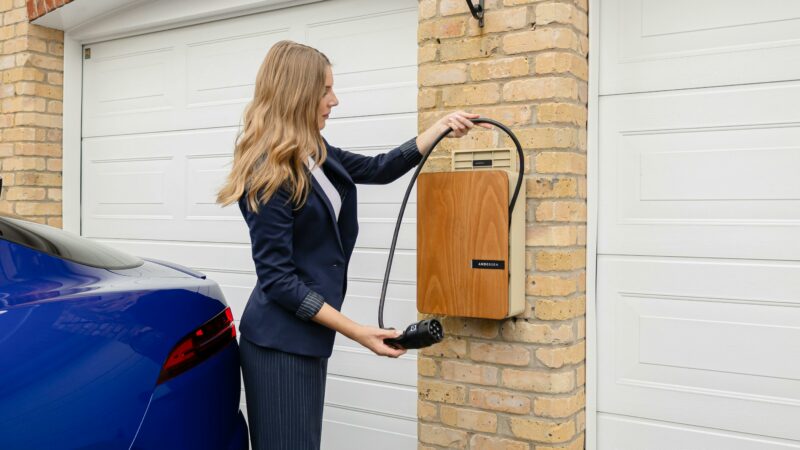
Home charging, on the other hand, offers convenience. Many villa owners install private chargers, allowing overnight charging without visiting public stations.
The balance between these two options is crucial. A strong public network combined with accessible home solutions ensures a smoother transition to EVs.
Technology Driving Efficiency
Modern EVs are becoming smarter thanks to advanced software systems. AI-driven energy management helps optimize battery performance, predict range, and suggest charging points.
Navigation systems now include real-time charging station availability, helping drivers plan routes efficiently. This reduces range anxiety—a major barrier for new EV adopters.
The Role of Government Initiatives
The UAE government plays a key role in accelerating EV adoption. Initiatives such as free parking, toll exemptions, and incentives for EV owners have made electric cars more attractive.
Dubai’s goal of having a significant percentage of vehicles electrified by the coming years reflects its commitment to sustainability.
Are We Truly Ready?
Despite progress, the question remains: is the UAE fully ready for a complete EV transition?
The answer is both yes and no.
Yes, because:
- Infrastructure is growing rapidly
- Government support is strong
- Consumer awareness is increasing
No, because:
- Charging networks still need expansion
- Standardization across providers is evolving
- Rural coverage is limited
What the Future Looks Like
The future of EV charging in the UAE is promising. Ultra-fast chargers, wireless charging, and smart grid integration are already being explored.
As technology advances, charging will become faster, more accessible, and more efficient.
Explore more from CarBook:
Final Thoughts
The UAE is on a clear path toward an electric future. While challenges remain, the progress made so far is significant.
The real question is not whether EVs will dominate—but how quickly the infrastructure can keep up.
For drivers, businesses, and policymakers, this is a journey that requires collaboration, investment, and innovation.