
EREVs: Could Extended-Range Electric Vehicles Be the Future of Driving?
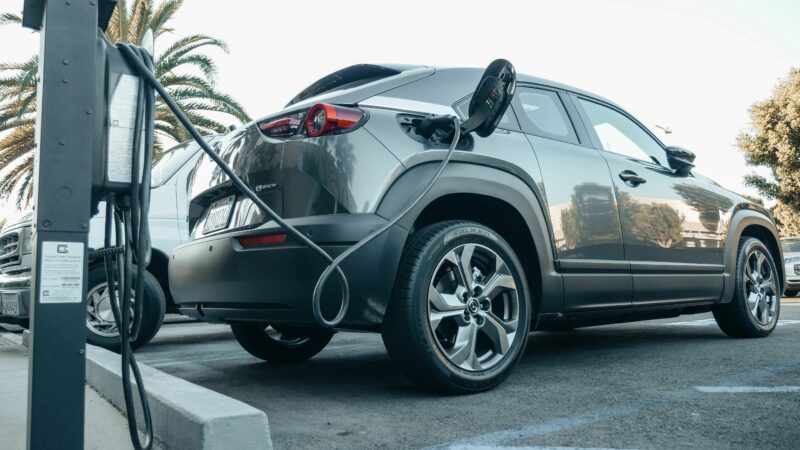
As the automotive industry continues its transition toward electrification, a new technology is gaining attention among manufacturers, industry analysts, and consumers alike—Extended-Range Electric Vehicles, commonly known as EREVs. Positioned between traditional hybrids and fully electric vehicles, EREVs are increasingly being viewed as a practical solution for drivers who want the benefits of electric mobility without concerns about charging infrastructure or driving range.
Unlike conventional hybrid vehicles, EREVs are powered primarily by an electric motor. The key difference lies in the addition of a small gasoline engine that acts solely as a generator to recharge the battery when needed. This means the wheels are driven by electricity, while the engine serves as a backup power source to extend the vehicle’s range during longer journeys.
One of the biggest barriers to EV adoption remains range anxiety. Many potential buyers worry about finding charging stations during long trips or traveling in regions where charging networks are still developing. EREVs address this concern by combining electric driving with the reassurance of a backup energy source, allowing drivers to travel significantly farther than many traditional battery-electric vehicles.
For urban commuters, EREVs offer the opportunity to complete most daily journeys using electricity alone. Many drivers may rarely need to activate the range-extending engine, resulting in lower fuel consumption and reduced emissions compared to conventional gasoline-powered vehicles.
Automakers are increasingly exploring EREV technology as consumer preferences continue to evolve. While battery-electric vehicles remain the long-term goal for many manufacturers, EREVs provide a transitional solution that can help accelerate the shift toward cleaner transportation. This approach is particularly appealing in markets where charging infrastructure is still expanding.
Another advantage of EREVs is flexibility. Drivers benefit from the smooth, quiet performance associated with electric vehicles while maintaining the ability to undertake long-distance travel without extensive route planning. This combination makes EREVs especially attractive for families, business travelers, and motorists who frequently cover varying distances.
The technology also has potential environmental benefits. Since the gasoline engine operates only when required, fuel usage can be significantly reduced compared to traditional vehicles. Combined with advances in battery technology and renewable energy integration, EREVs may contribute to lower overall carbon emissions during the industry’s transition toward full electrification.
Industry experts believe that EREVs could play an important role over the next decade as manufacturers continue refining battery technology and governments invest in charging infrastructure. In many regions, they offer a realistic bridge between today’s transportation needs and tomorrow’s fully electric future.
For consumers who remain hesitant about making the leap to a pure EV, EREVs present a compelling alternative. They deliver many of the advantages of electric driving while eliminating some of the most common concerns associated with range and charging availability.
As the automotive landscape evolves, Extended-Range Electric Vehicles may prove to be one of the most practical innovations shaping the future of mobility. By combining efficiency, flexibility, and convenience, EREVs could help make electrification accessible to an even broader audience.