Jaguar E-Type: The Timeless British Sports Car Legend
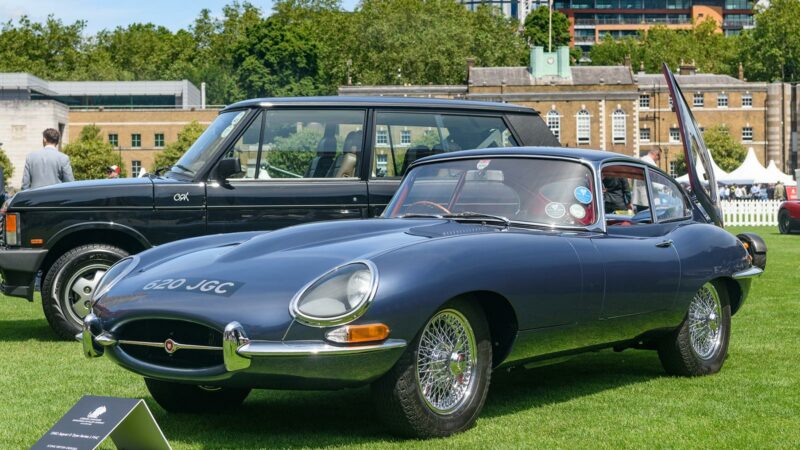
Few automobiles in history have achieved the legendary status of the Jaguar E-Type. Revered for its breathtaking design, impressive performance, and lasting influence on automotive culture, the Jaguar E-Type remains one of the most celebrated sports cars ever built. More than six decades after its debut, it continues to captivate enthusiasts, collectors, and designers around the world.
When Jaguar unveiled the E-Type at the Geneva Motor Show in 1961, the automotive world was stunned. Its sleek silhouette, long bonnet, and flowing curves represented a revolutionary approach to sports car design. The car looked unlike anything else on the road, combining elegance with a sense of speed even when standing still. Its appearance was so striking that it quickly became an icon of the 1960s.
The E-Type was not just beautiful; it was also remarkably advanced for its time. Powered by a 3.8-liter inline-six engine, the original model delivered impressive performance that rivaled far more expensive exotic sports cars. With a top speed approaching 150 mph, the Jaguar offered exceptional value while competing with some of Europe’s most prestigious automotive brands.
Engineering innovation played a key role in the E-Type’s success. Jaguar incorporated technologies derived from its successful racing program, including independent rear suspension and disc brakes. These features helped deliver a driving experience that combined comfort, agility, and performance. The result was a sports car that could be enjoyed both on winding roads and long-distance journeys.
Throughout the 1960s and early 1970s, the E-Type evolved through several generations. Improvements in engine performance, interior comfort, and practicality broadened its appeal while preserving the character that made it famous. The later V12-powered versions introduced greater refinement and smoothness, further enhancing the car’s grand touring credentials.
One of the reasons the E-Type remains so admired today is its timeless design. Unlike many vehicles that become dated with changing trends, the Jaguar’s proportions and styling have aged remarkably well. Its influence can still be seen in modern sports cars, and it is frequently cited as one of the most beautiful automobiles ever created.
The E-Type also became a cultural symbol. It appeared in films, magazines, and celebrity collections, helping define the spirit of the swinging sixties. Owning one represented sophistication, performance, and style, qualities that continue to attract collectors decades later.
Today, well-preserved examples command strong values in the classic car market, while Jaguar’s own restoration and continuation programs help keep the legend alive for future generations. Enthusiasts continue to gather at concours events, rallies, and heritage festivals to celebrate this remarkable machine.
More than a classic car, the Jaguar E-Type represents a golden era of automotive design and engineering. Its combination of beauty, innovation, and performance established a legacy that few vehicles have matched. As a heritage icon, it remains a benchmark against which many sports cars are still measured, proving that true automotive greatness never goes out of style.