Why Manual Gearboxes Still Have a Loyal Following
Despite the rapid rise of automatic transmissions and electric vehicles, manual gearbox cars continue to enjoy a loyal fan base among driving enthusiasts. While modern technology has made driving easier and more efficient, many motorists still believe that nothing compares to the connection and satisfaction of changing gears themselves. For them, driving is more than simply getting from one destination to another—it is an experience.
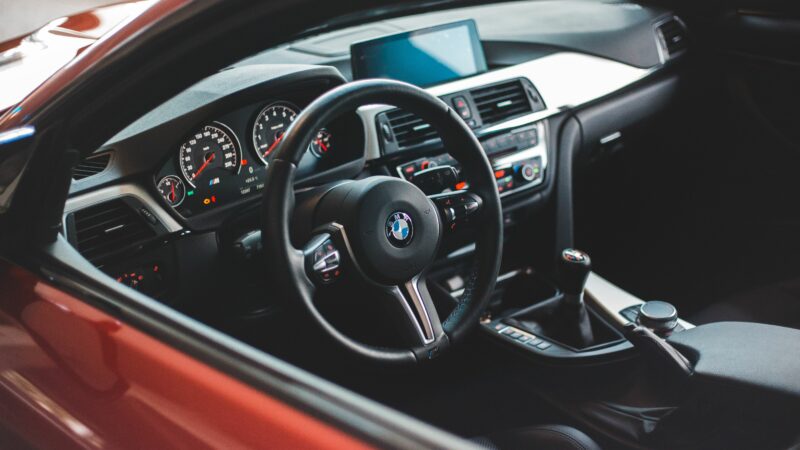
One of the biggest attractions of a manual transmission is the level of driver engagement it provides. Every gear change requires skill, timing, and concentration. Coordinating the clutch, accelerator, and gear lever creates a stronger bond between the driver and the car, making every journey feel more rewarding. Enthusiasts often describe this as being “part of the machine” rather than simply operating it.
Manual gearboxes also give drivers greater control over the vehicle. Whether climbing steep mountain roads, overtaking on highways, or enjoying a winding country route, selecting the perfect gear allows the engine to perform exactly as the driver intends. This precision is particularly appreciated in performance cars, where maintaining the right engine speed can significantly enhance acceleration and handling.
Many of the world’s most celebrated sports cars earned their legendary status with manual transmissions. Classic models from Porsche, Ferrari, BMW, Mazda, and Honda became icons partly because of the enjoyable driving experience created by their perfectly balanced manual gearboxes. Even today, collectors often seek manual versions because they are viewed as more authentic and enjoyable to drive.
Another reason for the manual gearbox’s lasting popularity is its mechanical simplicity. Compared to many advanced automatic systems, traditional manual transmissions often require fewer complex components. This can result in lower maintenance costs and easier repairs, especially for older vehicles. Owners who enjoy working on their own cars also appreciate the straightforward engineering behind manual gearboxes.
Learning to drive a manual vehicle can also improve overall driving skills. Drivers become more aware of engine sounds, road conditions, and vehicle behaviour. They learn to anticipate traffic, choose appropriate gears, and better understand how a car responds under different driving situations. These skills often lead to greater confidence behind the wheel.
While automatic transmissions have become faster and more fuel-efficient than ever before, manuals continue to offer something technology cannot easily replace—emotion. The satisfaction of executing a perfectly timed downshift before entering a corner or smoothly accelerating through every gear creates memories that many enthusiasts cherish for years.
Car manufacturers may be producing fewer manual models today, but demand remains strong among dedicated enthusiasts. Limited-production sports cars with manual transmissions often become highly desirable, maintaining impressive resale values due to their rarity and driving appeal.
As the automotive industry moves toward electrification, manual gearboxes may gradually become less common on new vehicles. However, their legacy is secure. They represent an era when driving demanded greater involvement, rewarding skill and passion over convenience.
For countless motorists around the world, the manual gearbox is more than a transmission—it is part of the soul of driving. Whether on a scenic mountain pass, an open highway, or a weekend road trip, changing gears by hand continues to deliver an unmatched sense of connection between driver and machine.