Why Your Next Car Will Keep Getting Better After You Buy It
Buying a new car used to mean driving away with a finished product. Today, that’s rapidly changing.
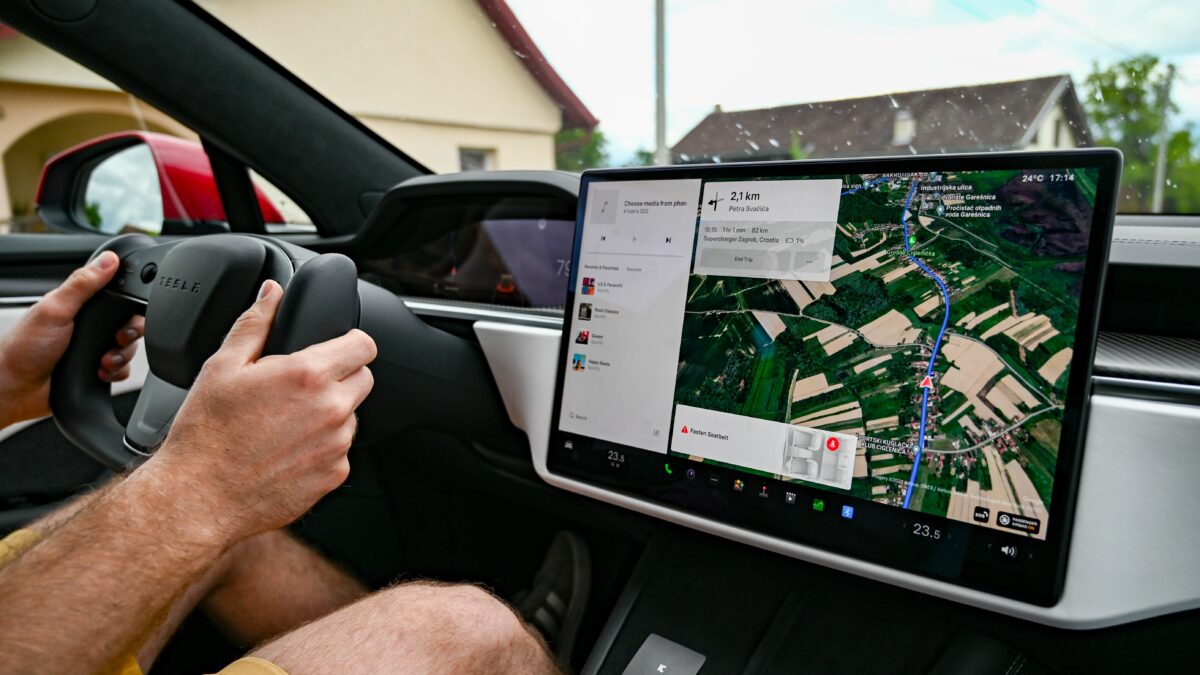
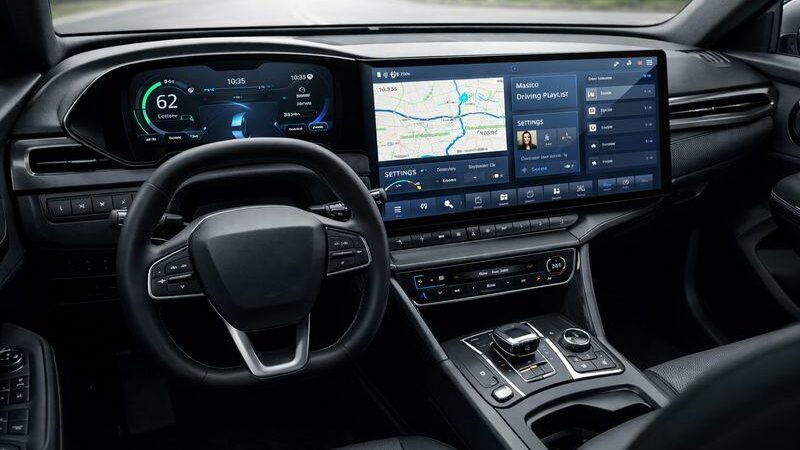
Modern vehicles are becoming Software-Defined Vehicles (SDVs), meaning software plays an increasingly important role in how a car performs, how new features are introduced and even how safety systems improve over time. Instead of waiting for the next model year, owners can receive new capabilities through secure Over-the-Air (OTA) software updates, much like updating a smartphone. Industry analysts expect software-centric vehicle architectures to become a defining trend across the automotive industry over the next decade.
What Is a Software-Defined Vehicle?
A Software-Defined Vehicle is built around powerful computing systems that allow many of its functions to be controlled, improved and expanded through software.
Rather than relying solely on mechanical upgrades, manufacturers can enhance:
- Infotainment systems
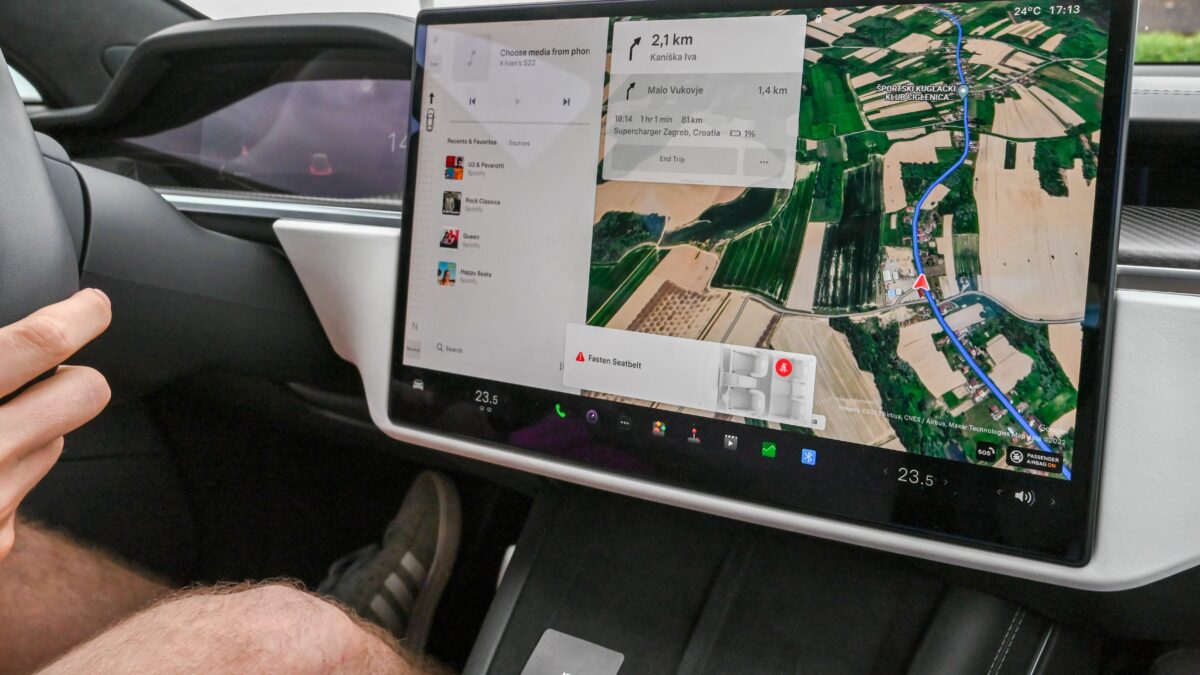
- Navigation
- Voice assistants
- Driver assistance features
- Battery management in EVs
- Energy efficiency
- Digital instrument clusters
This approach allows manufacturers to continuously improve vehicles throughout their lifecycle instead of limiting upgrades to new model launches.
Explore More:
https://carbookmagazine.com/category/technology/
Over-the-Air Updates Are Changing Ownership
One of the biggest advantages of connected vehicles is the ability to receive updates remotely.
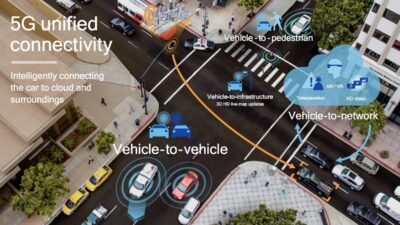
Instead of visiting a dealership for certain software improvements, compatible vehicles can download updates through Wi-Fi or cellular networks. These updates may introduce new features, improve existing systems, optimise performance or address software issues. OTA technology has become a key feature in many modern electric vehicles and is increasingly expanding into hybrid and petrol-powered models as well.
Artificial Intelligence Is Entering the Cabin
Artificial intelligence is also becoming an integral part of the in-car experience.
Modern digital assistants are capable of understanding natural language, learning driver preferences and controlling multiple vehicle functions through voice commands. Future systems are expected to deliver more personalised navigation, predictive maintenance reminders and smarter route planning based on real-time conditions.
Cybersecurity Is Becoming More Important
As vehicles become increasingly connected, cybersecurity is no longer just an IT issue—it is a critical part of vehicle safety.
Manufacturers are investing heavily in encrypted communications, secure software verification and protected update systems to reduce cyber risks while maintaining the convenience of remote software updates. Industry experts view security as one of the most important pillars of the software-defined vehicle era.
Not Everyone Likes Every Update
The shift to connected cars has also sparked debate.
Recently, BMW received criticism after introducing a limited-time Spider-Man-themed promotional experience through its infotainment system. While the company described it as an optional feature tied to a film partnership, some owners argued that vehicle screens should remain free of promotional content, highlighting the ongoing discussion about how software should be used inside privately owned vehicles.
The Future of Driving
Software is becoming just as important as horsepower.
Whether you choose an electric vehicle, hybrid or modern petrol model, future cars are expected to evolve throughout their lives with new digital features, improved safety systems and enhanced connectivity. For buyers, this means today’s vehicle may become even more capable months—or even years—after leaving the showroom.
Explore More