How AI Is Transforming the Future of Connected Cars
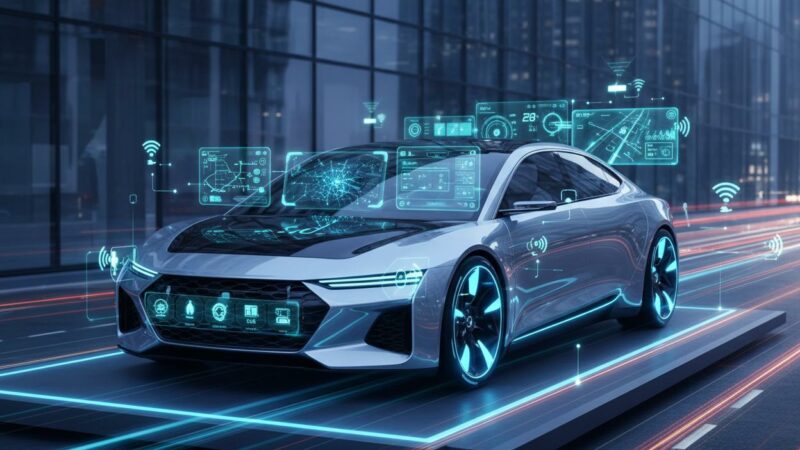
Artificial Intelligence (AI) is rapidly becoming one of the most influential technologies in the automotive industry. From intelligent driver assistance systems to predictive maintenance and personalized in-car experiences, AI is redefining how drivers interact with their vehicles. As automakers continue investing in software-defined vehicles, AI is playing a central role in making cars smarter, safer, and more efficient.
One of the most noticeable applications of AI is in Advanced Driver Assistance Systems (ADAS). Modern vehicles use cameras, radar, ultrasonic sensors, and machine learning algorithms to detect surrounding traffic, monitor road conditions, and assist drivers with features such as adaptive cruise control, lane-keeping assistance, automatic emergency braking, and traffic sign recognition. These technologies not only improve convenience but also contribute significantly to road safety by helping reduce human error.
AI is also enhancing the driving experience through intelligent voice assistants. Drivers can now control navigation, climate settings, phone calls, and entertainment systems using natural voice commands. Unlike traditional voice recognition systems, AI-powered assistants continuously learn user preferences, allowing them to provide more personalized responses and recommendations over time.
Another major advancement is predictive maintenance. AI analyzes data collected from thousands of vehicle sensors to detect early signs of wear or potential component failures. Instead of waiting for a warning light or unexpected breakdown, drivers receive maintenance alerts before serious issues occur. This proactive approach helps reduce repair costs, improve reliability, and minimize vehicle downtime.
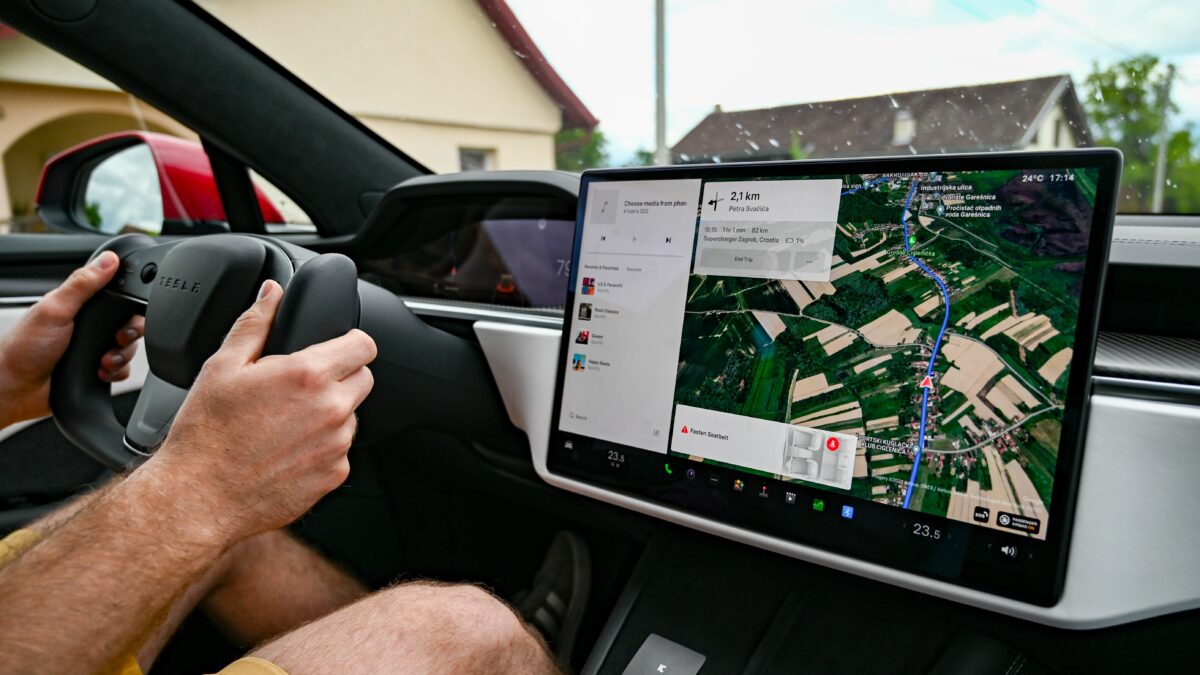
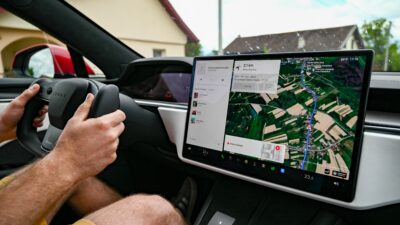
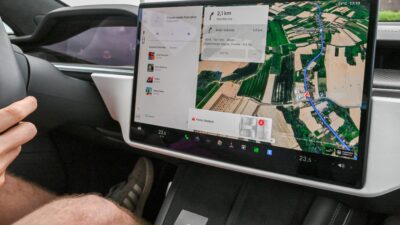
Connected cars are also benefiting from AI-powered real-time navigation. By analyzing live traffic conditions, accidents, road closures, and weather data, AI can recommend faster and more efficient routes. Some systems even predict traffic congestion before it develops, helping drivers save both time and fuel during daily commutes.
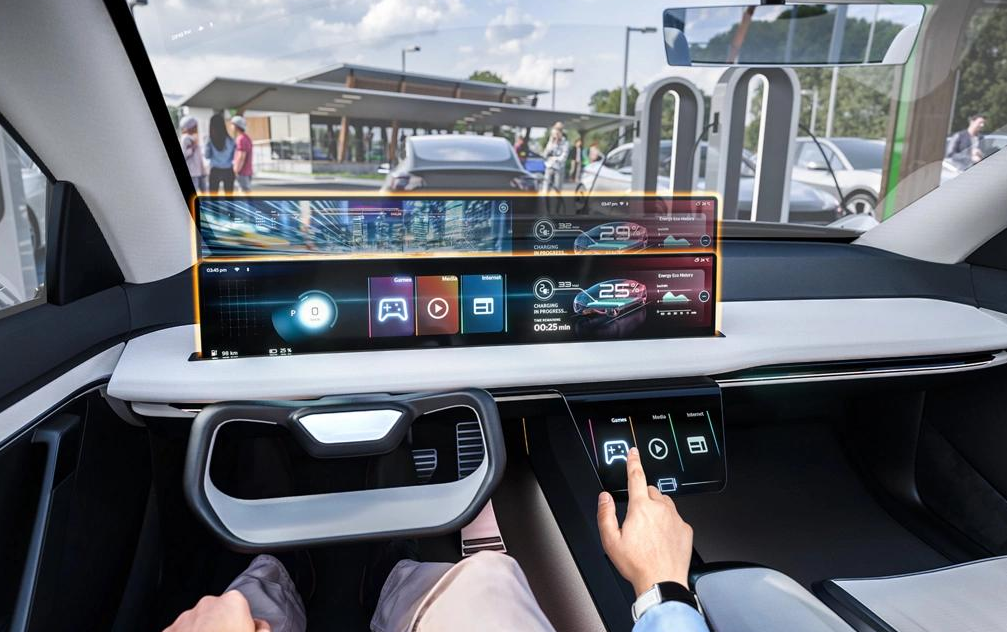
Electric vehicles (EVs) are increasingly relying on AI to optimize battery management. Intelligent software continuously monitors battery health, charging behavior, driving habits, and environmental conditions to maximize efficiency and extend battery lifespan. AI can also recommend optimal charging schedules and estimate remaining driving range more accurately than traditional systems.
Cybersecurity has become another important focus as vehicles become more connected. AI-powered security systems monitor vehicle networks for unusual activity and can detect potential cyber threats before they compromise critical systems. As cars continue to exchange data with cloud services and other vehicles, intelligent security solutions will play an increasingly vital role in protecting both drivers and manufacturers.
Manufacturers are also using AI during vehicle development and production. Machine learning helps engineers analyze massive amounts of testing data, improve manufacturing quality, predict equipment maintenance, and accelerate the design process. AI-driven automation has improved efficiency across production lines while maintaining high quality standards.
Looking ahead, AI will become even more integrated into everyday driving. Future vehicles are expected to deliver more advanced autonomous driving capabilities, personalized digital experiences, intelligent energy management, and seamless connectivity with smart cities and transportation infrastructure.
As the automotive industry continues its digital transformation, Artificial Intelligence is no longer simply an optional feature—it has become the foundation of next-generation mobility. By combining advanced software with innovative engineering, AI is helping create vehicles that are not only smarter and safer but also more efficient, sustainable, and enjoyable to drive.