Top Automotive Technology Trends Shaping the Second Half of 2026
The automotive industry is advancing at an extraordinary pace, and the second half of 2026 is expected to bring even more innovation to drivers around the world. While electrification continues to dominate headlines, manufacturers are now focusing equally on software, artificial intelligence, connectivity, and sustainability. Today’s vehicles are becoming more intelligent than ever, offering experiences that go far beyond simply getting from one destination to another.
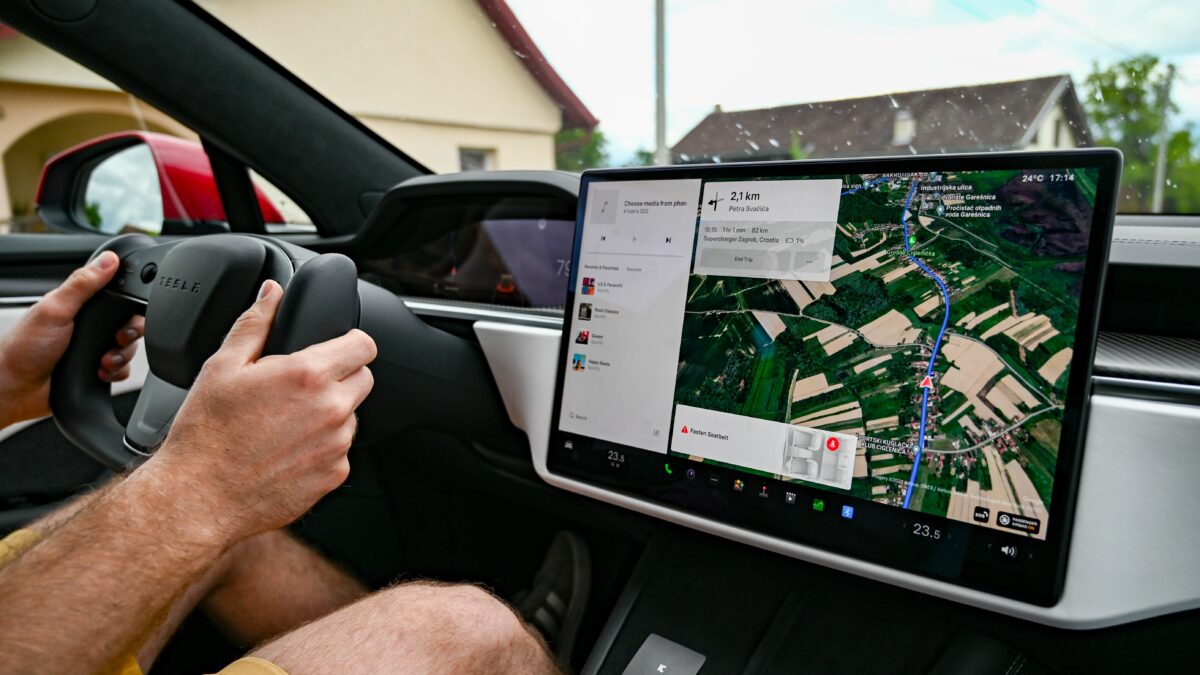
One of the most significant developments is the rise of software-defined vehicles. Instead of relying solely on mechanical upgrades, manufacturers are designing cars that can continuously improve through software updates. Features such as navigation, energy management, infotainment, security, and even driving performance can now be enhanced remotely. This allows owners to enjoy new capabilities without visiting a dealership, making vehicles more valuable throughout their lifespan.
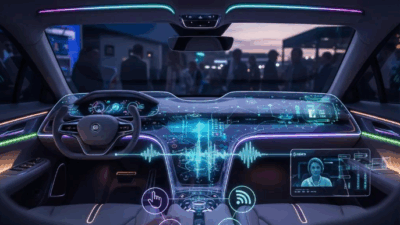
Artificial intelligence is also becoming an essential part of modern driving. AI-powered systems are helping vehicles analyze traffic conditions, recommend more efficient routes, monitor driver behavior, and optimize energy consumption. Voice assistants have become smarter and more conversational, allowing drivers to control navigation, climate settings, communication, and entertainment using natural language. As AI technology continues to mature, vehicles will become even better at anticipating driver preferences and improving convenience.
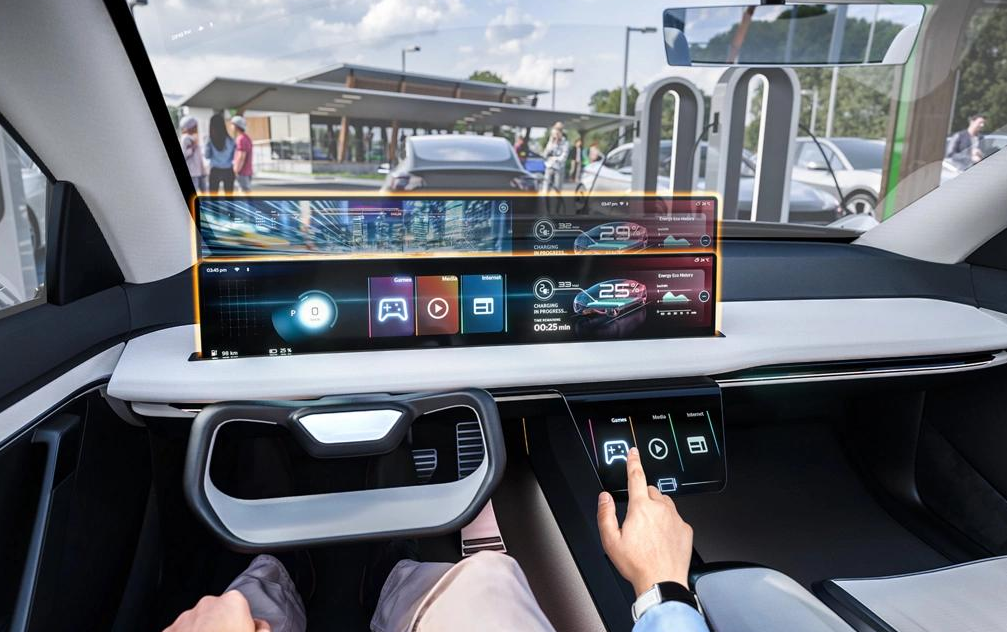
Electric vehicle technology is entering a new phase of development. Automakers are introducing faster charging systems, longer driving ranges, and more efficient battery management software. High-voltage charging platforms are reducing charging times significantly, making electric vehicles increasingly practical for daily commuting and long-distance travel. Battery durability is also improving, helping manufacturers extend vehicle lifespan while lowering maintenance costs for owners.
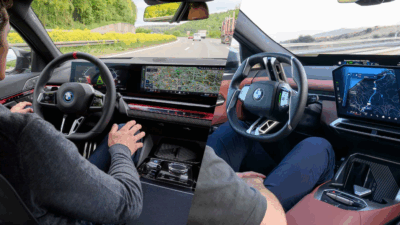
Vehicle safety continues to benefit from rapid technological progress. Advanced driver assistance systems are becoming more capable thanks to improved cameras, radar sensors, and computing power. Features such as adaptive cruise control, lane-centering assistance, automatic emergency braking, blind-spot monitoring, and cross-traffic detection are becoming increasingly refined. These technologies work together to reduce driver fatigue and improve road safety without taking control away from the driver.
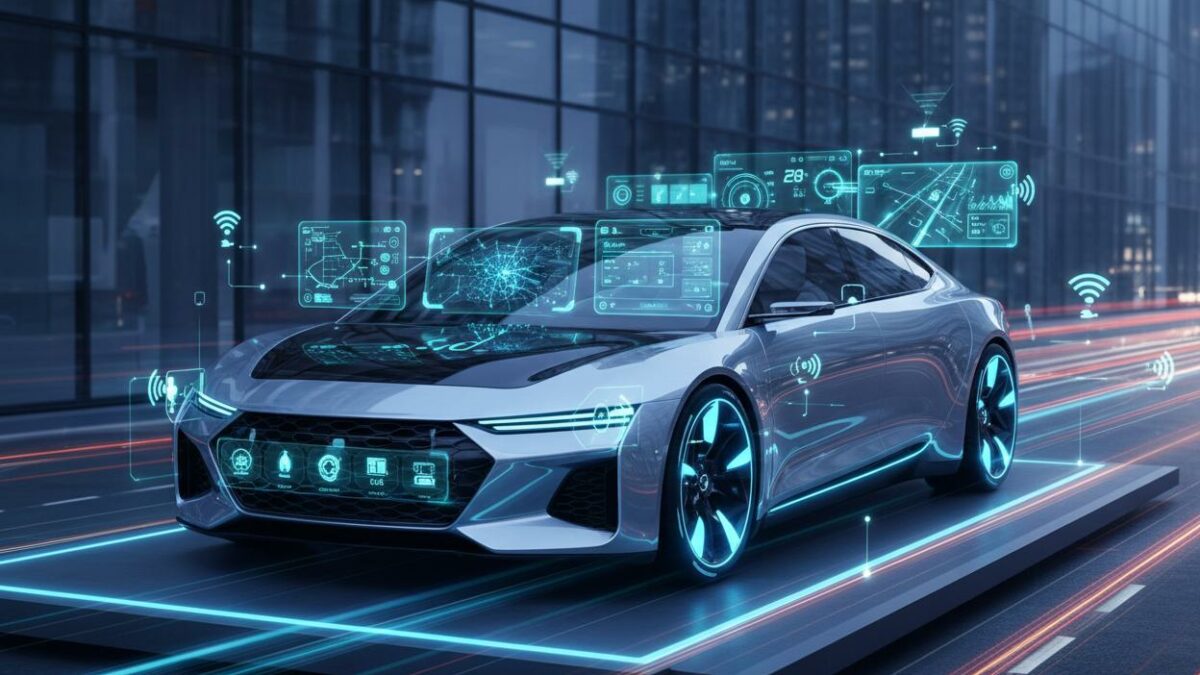
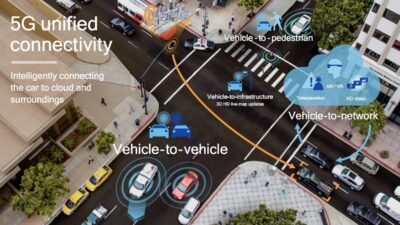
Connectivity is another area experiencing remarkable growth. Modern vehicles are evolving into connected digital ecosystems that integrate seamlessly with smartphones, smart homes, and cloud-based services. Drivers can remotely monitor battery status, lock or unlock doors, schedule maintenance appointments, locate parked vehicles, and receive software updates directly from their mobile devices. This connected experience creates greater convenience while allowing manufacturers to provide ongoing support throughout vehicle ownership.
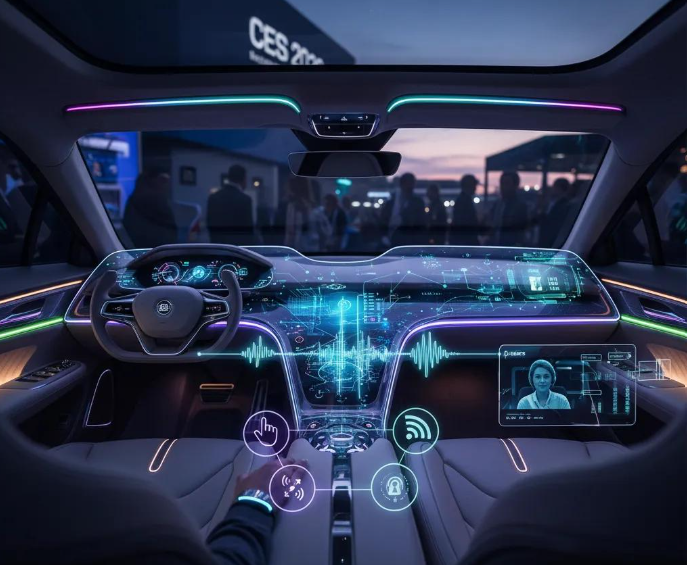
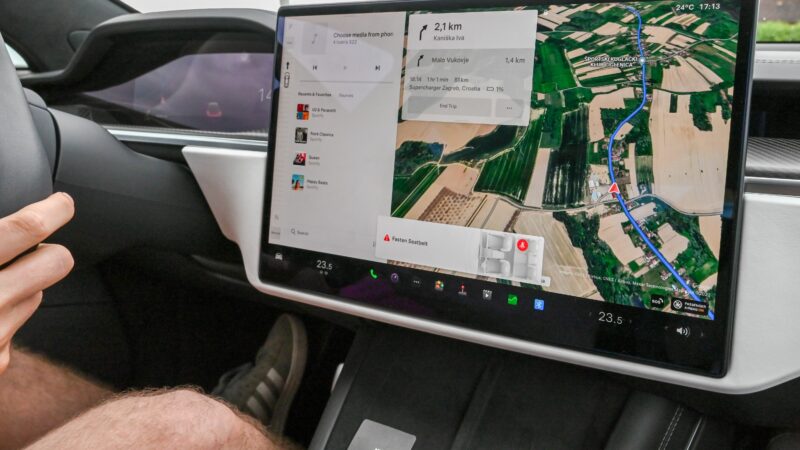
Luxury interiors are also undergoing a transformation. Large curved displays, customizable digital dashboards, ambient lighting, premium sound systems, and advanced voice interaction are becoming standard across many premium vehicles. Automakers are placing greater emphasis on creating cabins that feel more like modern living spaces, offering comfort, personalization, and intuitive technology that enhances every journey.
Sustainability is becoming a defining priority throughout vehicle production. Manufacturers are increasing the use of recycled materials, responsibly sourced components, and environmentally friendly manufacturing processes. Interior materials made from recycled plastics, plant-based fibers, and sustainable textiles are appearing in more models without compromising quality or luxury. These initiatives help reduce environmental impact while meeting the expectations of environmentally conscious consumers.
Performance technology is evolving alongside efficiency. Intelligent all-wheel-drive systems, adaptive suspension, predictive energy management, and AI-assisted traction control are delivering smoother, safer, and more enjoyable driving experiences. Even high-performance vehicles are embracing electrification to provide instant torque and improved acceleration while reducing emissions.
Looking ahead, the second half of 2026 represents an exciting chapter for the global automotive industry. Innovation is no longer limited to engines or exterior styling. Software, artificial intelligence, electrification, connectivity, and sustainability are becoming the pillars that define the next generation of vehicles. For consumers, this means smarter, safer, cleaner, and more enjoyable cars that continue to evolve long after they leave the showroom.
As automotive technology accelerates, drivers can expect every new generation of vehicles to offer greater intelligence, improved efficiency, and enhanced everyday usability. The future of driving is no longer a distant vision—it is already arriving, one innovation at a time.