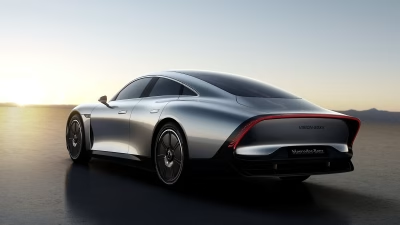
The modern automobile is evolving faster than ever before. While horsepower, luxury interiors, and sleek styling continue to attract buyers, a quieter revolution is taking place behind the dashboard. Artificial intelligence is steadily becoming every driver’s invisible co-pilot, changing how vehicles respond to traffic, improve safety, and enhance the overall driving experience.
Today’s intelligent driver assistance systems are no longer limited to simple cruise control or parking sensors. Instead, modern vehicles are learning to understand driving habits, anticipate road conditions, and provide real-time assistance that makes every journey smoother and safer.
Unlike traditional automation, AI-powered systems continuously process information from cameras, radar, ultrasonic sensors, and onboard computers. Within fractions of a second, these systems evaluate surrounding traffic, identify pedestrians, monitor lane markings, and predict potential hazards long before a human driver can react.
One of the most noticeable improvements is adaptive driving assistance. Rather than maintaining a fixed speed, intelligent systems automatically adjust vehicle speed according to surrounding traffic, reducing driver fatigue during long highway journeys. Combined with lane-centering technology, these systems create a more relaxed driving experience without replacing the driver’s responsibility.
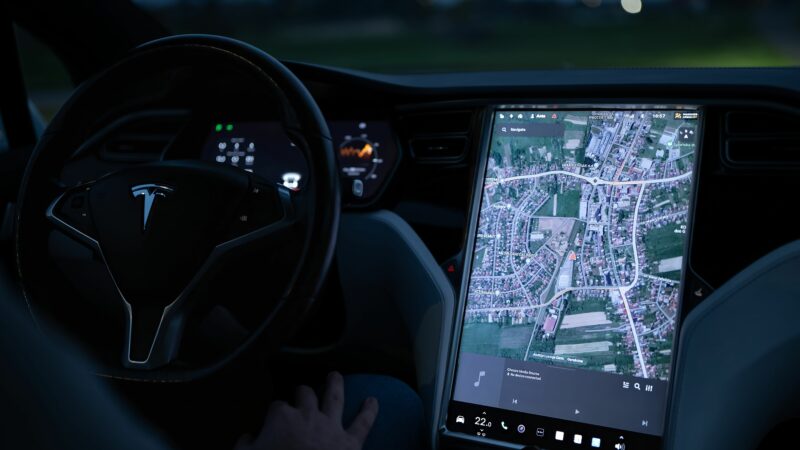
Another area experiencing rapid development is predictive navigation. Instead of simply suggesting the fastest route, next-generation navigation platforms analyse traffic patterns, weather conditions, road closures, and even the driver’s personal routines to recommend smarter journeys. Some systems can estimate parking availability or identify charging stations based on battery consumption rather than simple distance calculations.
Artificial intelligence is also reshaping vehicle maintenance. Modern cars continuously monitor thousands of operational parameters, allowing them to detect minor abnormalities before they become major mechanical failures. Drivers can now receive notifications advising when brake components, tyres, batteries, or cooling systems require attention, helping reduce unexpected repair costs and improving long-term reliability.
Interior technology is becoming equally intelligent. Voice assistants now recognise natural speech rather than memorised commands, allowing drivers to adjust climate controls, navigation, entertainment, and communication systems using conversational language. Facial recognition cameras can identify individual drivers, automatically adjusting seating positions, mirrors, lighting preferences, and infotainment settings before the journey even begins.
Safety remains the greatest advantage of AI integration. Emergency braking systems, blind-spot monitoring, rear cross-traffic alerts, and collision avoidance technologies are becoming increasingly sophisticated through machine learning. Rather than relying solely on programmed responses, these systems improve continuously as manufacturers analyse millions of kilometres of anonymous driving data.
Electric vehicles are also benefiting significantly from artificial intelligence. Battery management software now predicts energy consumption based on terrain, driving style, outside temperature, and traffic conditions, helping drivers maximise range while improving charging efficiency. Intelligent route planning can even recommend charging stops that minimise travel time.
Luxury manufacturers are leading many of these innovations, but advanced driver assistance is rapidly expanding into mainstream vehicles. Features once reserved for premium models are becoming standard equipment across family SUVs, executive saloons, and compact crossovers, making intelligent mobility more accessible than ever before.
Despite these technological advances, the role of the driver remains essential. Artificial intelligence is designed to support human decision-making, not replace it. Responsible driving, situational awareness, and proper vehicle control continue to be fundamental elements of road safety.
Looking ahead, AI will play an even greater role in connected mobility. Future vehicles will communicate with surrounding infrastructure, traffic management systems, and other cars to reduce congestion, improve efficiency, and create safer roads. As software becomes just as important as mechanical engineering, the automobile is evolving into an intelligent mobility platform capable of learning, adapting, and continuously improving.
For today’s drivers, the future has already begun. Artificial intelligence is no longer a futuristic concept—it has quietly become one of the most valuable features modern vehicles have to offer.